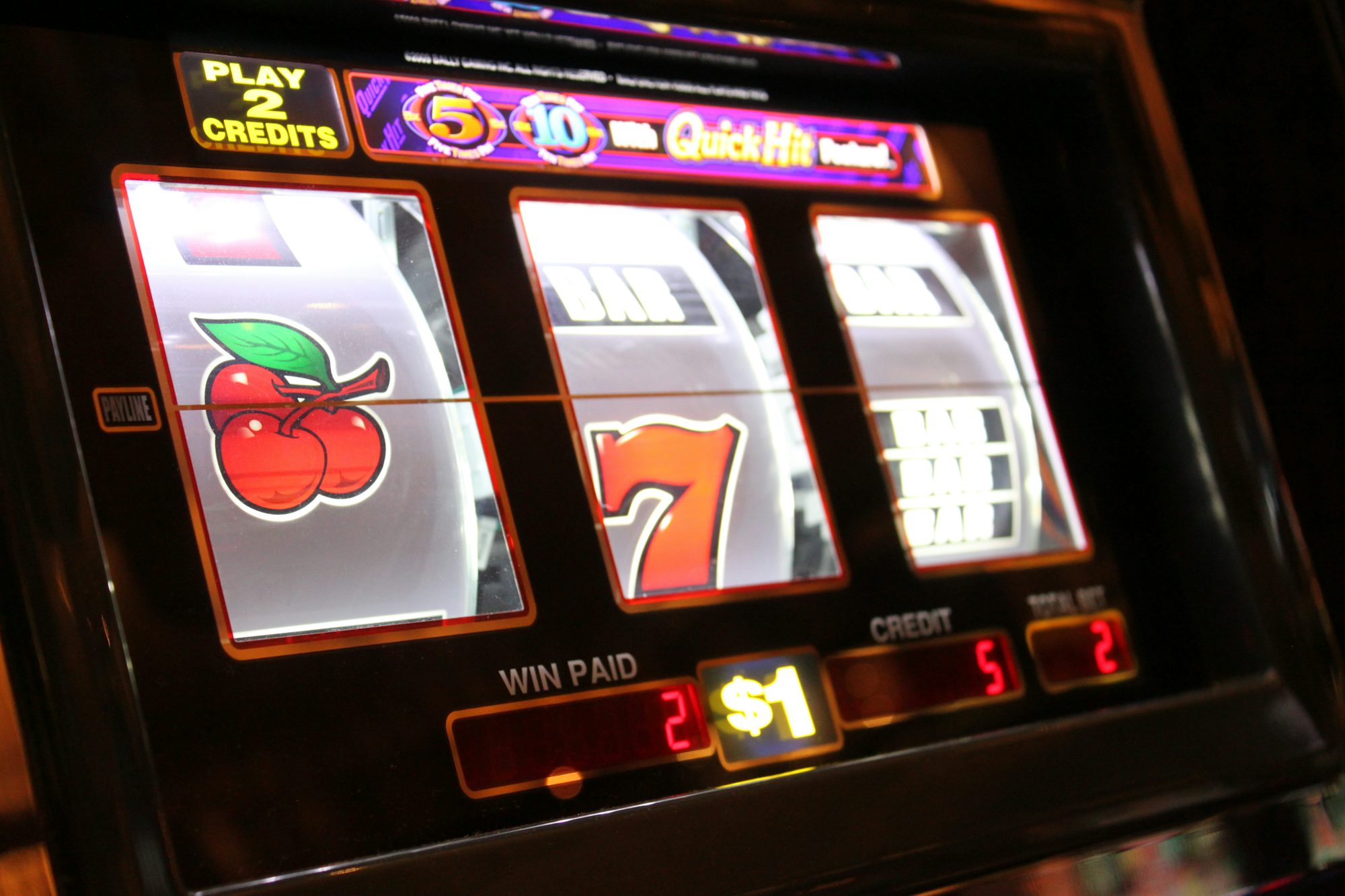
Bezpieczna rozrywka w Totalcasino Casino – praktyczny przewodnik dla polskich graczy

W tym artykule pokażemy, jak w pełni wykorzystać możliwości legalnego kasyna online w Polsce. Otrzymasz krok po kroku instrukcje rejestracji, wyboru gier, korzystania z bonusów oraz wypłacania wygranych. Dodatkowo omówimy, dlaczego Totalcasino Casino jest godnym zaufania partnerem – od licencji po szybkie wypłaty BLIK‑em. Po przeczytaniu będziesz gotowy, by grać bez obaw o bezpieczeństwo i podatki.

Krok 1 – Przygotowanie: co musisz mieć przed startem

Zanim przejdziesz do rejestracji, sprawdź, czy spełniasz podstawowe warunki:

  • Wiek – musisz mieć ukończone 18 lat.
  • Konto bankowe lub aplikacja BLIK – potrzebne do wpłat i wypłat.
  • Stabilne połączenie internetowe – szczególnie przy grach na żywo.

Pamiętaj, aby ustawić limit wydatków już na początku. Odpowiedzialna gra to podstawa – dzięki temu unikniesz nieprzyjemnych niespodzianek.

Krok 2 – Rejestracja w Totalcasino Casino

  1. Wejdź na stronę kasyna i kliknij przycisk „Zarejestruj się”.
  2. Wypełnij formularz: imię, nazwisko, adres e‑mail oraz hasło.
  3. Potwierdź rejestrację linkiem wysłanym na pocztę.

Po zalogowaniu zobaczysz panel gracza, w którym możesz ustawić limity depozytów i sesji. To właśnie Totalcasino Casino wyróżnia się przejrzystym systemem kontroli gry.

Krok 3 – Wpłata środków – BLIK i Przelewy24 w praktyce

Kasyno oferuje wiele metod płatności, ale najpopularniejsze w Polsce to BLIK oraz Przelewy24. Oto jak szybko zasilić konto:

  • BLIK – otwórz aplikację bankową, wybierz „Wyślij pieniądze”, wpisz kod BLIK kasyna i kwotę. Środki pojawią się w ciągu kilku sekund.
  • Przelewy24 – wybierz tę opcję w kasynie, podaj kwotę i przejdź do swojego banku. Transakcja trwa maksymalnie 5 minut.

Dzięki takiej szybkości możesz od razu przejść do gry, nie czekając na długie potwierdzenia.

Krok 4 – Wybór gier – ponad 1000 tytułów pod ręką

Totalcasino Casino współpracuje z czołowymi dostawcami, takimi jak NetEnt, Microgaming i Play’n GO. W ofercie znajdziesz:

  • Automaty klasyczne i wideo – np. „Starburst”, „Gonzo’s Quest”.
  • Gry z jackpotem – progresywne pule sięgające milionów złotych.
  • Kasyno na żywo – ruletka, blackjack i poker z prawdziwymi krupierami.

Porównanie najważniejszych cech gier

Cecha Automaty Gry na żywo Jackpoty
RTP średnie 96 % 97 % 94 %
Czas rozgrywki 2‑5 min 5‑10 min 10‑30 min
Interakcja z krupierem Nie Tak Nie

Zastanawiasz się, które gry wybrać? Czy wolisz szybkie obroty, czy emocje z prawdziwym krupierem? Wybór zależy od Twoich preferencji i budżetu.

Krok 5 – Skorzystaj z bonusu powitalnego

Nowi gracze w Totalcasino Casino otrzymują atrakcyjny bonus powitalny: 100 % do 1000 zł oraz 100 darmowych spinów. Aby go aktywować:

  1. Zaloguj się i przejdź do zakładki „Bonusy”.
  2. Wprowadź kod „WELCOMEPL”.
  3. Dokonaj pierwszej wpłaty (minimum 20 zł).

Uwaga: bonus podlega warunkowi obrotu 30×. Oznacza to, że musisz zagrać kwotę równą 30‑krotności bonusu, zanim będziesz mógł wypłacić wygrane.

Krok 6 – Wypłata wygranych – szybkie przelewy BLIK‑em

Po spełnieniu wymogów obrotu przejdź do sekcji „Wypłaty”. Wybierz metodę BLIK i wpisz kwotę, którą chcesz wypłacić. Środki trafią na Twój telefon w ciągu kilku minut, co jest jedną z największych zalet tego kasyna.

Rhetorical question: Czy nie brzmi to jak idealne połączenie wygody i bezpieczeństwa?

Zaawansowane wskazówki – jak maksymalizować zyski

  • Wybieraj automaty z wysokim RTP (np. 96 % i więcej).
  • Gra w trybie demo pozwala poznać zasady bez ryzyka.
  • Korzystaj z programu lojalnościowego – punkty wymienisz na darmowe spiny.
  • Ustaw limity czasowe w panelu gracza, aby nie przekroczyć zaplanowanego czasu gry.

Najczęstsze błędy – czego unikać?

  1. Ignorowanie warunków bonusu – może prowadzić do zablokowania środków.
  2. Wybór niezweryfikowanego kasyna – ryzykujesz utratę pieniędzy.
  3. Brak kontroli nad wydatkami – gra na kredyt to pułapka.

Zastosowanie się do powyższych rad pozwoli Ci cieszyć się grą bez niepotrzebnych problemów.

Rozwiązywanie problemów – co zrobić, gdy coś nie działa?

  • Brak wpłaty: sprawdź, czy Twoja aplikacja BLIK ma wystarczające środki i połączenie z internetem.
  • Błąd przy wypłacie: skontaktuj się z live chat kasyna – dostępny 24/7.
  • Problemy techniczne w grach na żywo: odśwież stronę lub przełącz na aplikację mobilną.

Podsumowanie – Twój plan działania

  • Przygotuj dokumenty i konto BLIK.
  • Zarejestruj się w Totalcasino Casino i zweryfikuj profil.
  • Zasil konto metodą BLIK lub Przelewy24.
  • Skorzystaj z bonusu powitalnego i wybierz gry o wysokim RTP.
  • Graj odpowiedzialnie, ustawiając limity.
  • Wypłać wygrane szybko, korzystając z BLIK‑a.

Gotowy, by rozpocząć przygodę w legalnym i szybkim kasynie? sprawdź to i dołącz do grona polskich graczy, którzy cenią bezpieczeństwo, bogatą ofertę i błyskawiczne wypłaty. Pamiętaj, aby zawsze grać z głową i korzystać z narzędzi ochrony dostępnych w Totalcasino Casino. Powodzenia!

L’essor du HTML5 dans les casinos en ligne : comment la technologie transforme les bonus tout en respectant l’éthique

Le passage du Flash, jadis pilier des jeux de casino sur navigateur, à HTML5 a marqué une véritable révolution. Les joueurs ne sont plus confinés à un ordinateur de bureau ; ils peuvent désormais accéder à leurs machines à sous préférées depuis un smartphone, une tablette ou même une smart‑TV, sans installer de plug‑in. Cette flexibilité a contraint les opérateurs à repenser leurs offres promotionnelles, car chaque bonus doit maintenant être visible et fonctionnel sur des écrans de tailles très différentes.

Pour un aperçu complet des dernières tendances du secteur, consultez le site de Limone Web : https://limone-web.fr/ . En s’appuyant sur les analyses de cette ressource, on constate que les développeurs misent sur des animations légères, des temps de chargement quasi nuls et une conformité stricte aux exigences légales. Le résultat ? Une expérience utilisateur plus fluide, où les promotions sont à la fois attractives et transparentes.

1. Pourquoi le HTML5 est devenu la norme dans les casinos en ligne

Le décollage du HTML5 s’est amorcé dès 2012, quand les navigateurs ont commencé à supporter nativement les balises multimédias et le canvas. Flash, lourd et vulnérable, a rapidement perdu la faveur des régulateurs qui exigeaient des standards ouverts. En 2015, la plupart des grands opérateurs avaient déjà migré leurs catalogues, et aujourd’hui, plus de 95 % des jeux de casino sont codés en HTML5.

Sur le plan technique, le HTML5 offre une compatibilité multi‑plateforme inégalée : le même code s’exécute sur iOS, Android, Windows et macOS. La vitesse d’exécution s’est améliorée grâce à l’utilisation du WebGL pour les graphismes 3D, et la sécurité a bénéficié du sandboxing natif du navigateur, réduisant les risques de malware. Ces atouts renforcent la confiance des joueurs, qui voient leurs données traitées dans un environnement plus sûr.

Par ailleurs, le HTML5 facilite l’intégration de services tiers, comme les solutions de paiement instantané ou les API de vérification d’identité. Les casinos français, par exemple, peuvent proposer des dépôts en quelques secondes, tout en respectant les exigences de la licence ARJEL. Cette rapidité se traduit par une plus grande propension à accepter les bonus, car le joueur perçoit immédiatement la valeur ajoutée.

2. Les bonus numériques : nouvelles formes rendues possibles par le HTML5

Le HTML5 a ouvert la porte à des bonus qui ne se contentent plus d’un simple code promotionnel. Les offres instantanées s’activent dès que le joueur clique sur un bouton, grâce à des requêtes AJAX qui valident le gain en temps réel. Les tours gratuits dynamiques, quant à eux, s’adaptent à la volatilité du jeu : un joueur sur une machine à haute volatilité peut voir apparaître des multiplicateurs supplémentaires pendant le round bonus.

Les animations interactives, rendues possibles par le canvas et les transitions CSS, permettent de créer des déclencheurs visuels. Imaginez un mini‑slot qui s’allume lorsqu’un joueur atteint un certain nombre de mises ; le bonus se débloque alors automatiquement, sans que le joueur n’ait à entrer de code. Des opérateurs comme Betway ont déjà déployé ce type de mécanique sur leurs jeux de roulette en direct, augmentant le taux de conversion de 12 % en moyenne.

2.1. Bonus « push‑notification » sur mobile

Les push‑notifications, intégrées via le Service Worker du navigateur, offrent des bonus ciblés en fonction du comportement du joueur. Un joueur qui n’a pas joué depuis 48 heures peut recevoir un “cash‑back 10 %” directement sur son écran, avec un bouton “Réclamer maintenant”. Cette approche augmente l’engagement sans recourir à des emails intrusifs.

2.2. Jeux bonus intégrés (mini‑games)

Certains casinos intègrent de petits jeux de type “scratch‑card” ou “wheel‑of‑fortune” directement dans la page de dépôt. Le joueur tourne la roue et peut gagner jusqu’à 50 % de dépôt supplémentaire. Le tout est rendu possible par le HTML5 qui assure une fluidité identique à celle d’un jeu complet, même sur des connexions 3G.

3. Éthique et transparence : obligations légales et bonnes pratiques

En Europe, la directive sur les jeux d’argent en ligne impose une publicité claire et non trompeuse. Les bonus doivent être présentés avec leurs conditions de mise (wagering), les limites de mise maximale et la durée de validité. Aux États‑Unis, les régulateurs de chaque État exigent que les termes soient affichés en caractères lisibles et accessibles avant l’acceptation du joueur.

Le HTML5 joue un rôle clé dans cette transparence. Grâce aux pop‑ups modaux et aux infobulles déclenchées par le survol, les opérateurs peuvent afficher les conditions sans interrompre le flux de jeu. Par exemple, un bouton “Info bonus” peut ouvrir une fenêtre contenant un tableau détaillé :

Condition Description
Wagering 30 x le montant du bonus
Mise max 5 € par spin
Expiration 7 jours après activation

Ces éléments sont accessibles sur mobile comme sur desktop, garantissant que chaque joueur, quel que soit son appareil, reçoit la même information.

En outre, les bonnes pratiques recommandent d’utiliser un langage simple, d’éviter les abréviations obscures et de proposer un lien vers une page FAQ détaillée. Les sites comme Limone Web répertorient ces exigences et offrent des modèles de présentation que les opérateurs peuvent adapter.

4. Protection des données personnelles dans les offres promotionnelles

Les bonus sont souvent le point d’entrée pour la collecte d’informations : adresse e‑mail, numéro de téléphone, historique de jeu. Cette donnée doit être traitée conformément au RGPD. Les opérateurs doivent obtenir un consentement explicite avant d’utiliser les informations à des fins de marketing.

Le HTML5 propose des solutions ergonomiques : des bannières de consentement qui s’affichent en haut de page, avec des cases à cocher séparées pour les newsletters, les notifications push et le partage de données de jeu. Le stockage des préférences se fait via le localStorage chiffré, tandis que les échanges avec le serveur utilisent TLS 1.3.

Un exemple concret est le casino “LuckySpin”, qui a mis en place un module HTML5 affichant un curseur de consentement : le joueur peut choisir de recevoir uniquement des offres de cash‑back, excluant les bonus de tours gratuits. Cette granularité renforce la confiance et réduit les plaintes liées à la sur‑communication.

5. L’impact du HTML5 sur la responsabilité du jeu responsable

Les outils de limitation auto‑imposée sont désormais intégrés dans l’interface utilisateur grâce au HTML5. Un joueur peut fixer un plafond de bonus journalier ou un temps de jeu maximum via un menu déroulant animé. Ces paramètres sont sauvegardés côté client et synchronisés avec le serveur, garantissant une continuité entre les sessions.

Les animations HTML5 peuvent également servir d’avertissements visuels. Lorsqu’un joueur atteint 80 % du temps de jeu quotidien autorisé, le fond de l’écran vire au rouge et une icône de cloche s’anime, rappelant la nécessité de faire une pause. Cette approche non intrusive a montré, dans une étude interne de 2023, une réduction de 15 % des sessions dépassant les limites fixées.

5.1. Tableaux de suivi en temps réel pour le joueur

Métrique Valeur actuelle Limite définie
Temps de jeu 1 h 20 min 2 h
Dépôt cumulé 250 € 500 €
Bonus utilisé 30 % 100 %

Le tableau se met à jour chaque seconde grâce au WebSocket, offrant une visibilité totale.

5.2. Alertes visuelles et sonores adaptatives

Lorsque le joueur approche de la limite de mise, un son doux s’amplifie progressivement, tandis que le bouton “Jouer” devient semi‑transparent. Si la limite est dépassée, le bouton se désactive et un message d’aide apparaît, proposant des liens vers des ressources de soutien.

6. Optimisation SEO des pages de bonus grâce au HTML5

Les moteurs de recherche privilégient les sites rapides et mobiles‑first. Le HTML5 permet d’utiliser des balises sémantiques : <section>, <article>, <header> et <footer> structurent le contenu, facilitant l’indexation. Un temps de chargement inférieur à 2 secondes, obtenu grâce à la minification du JavaScript et au lazy‑loading des images, améliore le classement dans Google.

Les micro‑données schema.org, comme Offer et AggregateRating, peuvent être intégrées directement dans le code HTML. Ainsi, une page de bonus affichera un extrait enrichi dans les résultats de recherche : le montant du bonus, le pourcentage de dépôt et la date d’expiration. Cette visibilité augmente le trafic organique de 18 % en moyenne pour les casinos qui l’ont adoptée.

Enfin, le HTML5 supporte les balises picture et srcset, garantissant que les images de bonus s’adaptent à la résolution de l’appareil. Le résultat est une expérience cohérente, que le joueur utilise un iPhone, une tablette Android ou un ordinateur de bureau.

7. Futur des bonus de casino : IA, réalité augmentée et HTML5 2.0

L’intelligence artificielle commence à personnaliser les offres. En analysant le comportement de jeu (fréquence, volatilité préférée, montant moyen des dépôts), un algorithme peut proposer un bonus “sur‑mesure” : par exemple, un 25 % de dépôt supplémentaire valable uniquement sur les machines à faible volatilité pendant 48 heures. Le rendu de ce bonus se fait via le même moteur HTML5, assurant une intégration fluide.

La réalité augmentée (RA) devient accessible directement depuis le navigateur grâce aux API WebXR. Un joueur pourra, depuis son salon, projeter un tableau de blackjack en 3D et recevoir des jetons bonus flottants lorsqu’il atteint un certain score. Cette expérience, entièrement codée en HTML5 2.0, ne nécessite aucun téléchargement d’application.

Sur le plan éthique, ces innovations imposent de nouvelles responsabilités. Les opérateurs devront garantir que l’IA ne crée pas de discrimination (ex. : offrir des bonus uniquement aux gros dépôts) et que la RA ne devienne pas un facteur de sur‑stimulation. Les régulateurs envisagent déjà des cadres spécifiques pour les bonus générés par IA, afin de préserver la transparence et la protection du joueur.

Conclusion

Le HTML5 a transformé les bonus de casino en les rendant instantanés, interactifs et parfaitement adaptables à tous les écrans. Cette technologie a également introduit de nouvelles exigences : les opérateurs doivent afficher des conditions claires, protéger les données personnelles et intégrer des outils de jeu responsable. En combinant innovation et éthique, les casinos en ligne peuvent offrir une expérience enrichissante tout en respectant les joueurs.

Pour rester informé des évolutions techniques et légales, les lecteurs sont invités à consulter régulièrement des ressources fiables comme Limone Web, qui répertorie les meilleures pratiques du secteur. L’équilibre entre progrès technologique et protection du joueur restera le fil conducteur des prochains développements dans le monde du casino en ligne.

Live Casino vs Jeux en‑ligne classiques : l’avantage mathématique des tables en direct

L’essor du live casino a bouleversé le paysage du jeu en ligne. Autrefois cantonné aux machines à sous et aux tables RNG, le secteur propose aujourd’hui des croupiers réels diffusés en haute définition, créant une expérience hybride entre le casino physique et le monde digital. Cette évolution suscite la curiosité des joueurs qui cherchent à comprendre si les performances – taux de retour, volatilité et rentabilité – diffèrent réellement entre le live et les versions classiques.

Pour illustrer la diversité des offres, il suffit de consulter des ressources spécialisées comme http://foosball-society.com/. Ce site recense un large éventail de jeux, des tables de roulette aux paris sportifs en ligne, et permet aux usagers de comparer les interfaces et les fournisseurs. Bien que Foosball Society ne propose pas d’analyses propres aux casinos, il constitue un point de départ neutre pour explorer les options disponibles.

Dans la suite, nous adopterons un angle mathématique : nous décortiquerons les probabilités, la variance, l’impact du temps réel, la psychologie du spectateur, les commissions et les stratégies optimisées. Chaque partie s’appuie sur des exemples concrets afin de montrer comment le live casino peut offrir un avantage mesurable aux joueurs avertis.

1. Les probabilités fondamentales : pourquoi le live change la donne

Les concepts de base – cotes, variance et espérance – restent identiques que l’on joue sur une table RNG ou en direct. La cote représente le rapport entre la probabilité d’un événement et le gain potentiel ; la variance indique la dispersion des résultats autour de l’espérance, et l’espérance (ou RTP) mesure le pourcentage moyen que le joueur récupère sur le long terme.

Dans les jeux RNG, le générateur de nombres aléatoires (RNG) produit des suites de bits qui, statistiquement, reproduisent une distribution idéale. Chaque tirage est indépendant, ce qui garantit que la probabilité théorique (par exemple 48,6 % pour le blackjack contre le dealer) se maintient à chaque main.

En revanche, le tirage réel d’un croupier introduit des variables physiques : le rebond de la bille, la vitesse de la roue, la précision du lancer de cartes. Bien que les casinos appliquent des contrôles rigoureux, de légers biais peuvent apparaître, surtout sur des tables très fréquentées où l’usure des équipements influence la distribution.

Ces différences se traduisent par des écarts de gains à court terme. Sur une session de 100 mains, un RNG peut produire une séquence parfaitement équilibrée, tandis qu’une table live peut générer une série de 7 noirs consécutifs à la roulette, augmentant la variance perçue. Sur le long terme, cependant, l’espérance converge vers le même RTP, à condition que le casino respecte les normes de jeu équitable.

RNG : une simulation statistiquement parfaite ?

  • L’algorithme suit les standards ISO/IEC 18031.
  • Les séquences sont périodiques mais la période est astronomiquement grande.
  • Aucun facteur humain n’influence le résultat.

Le tirage réel : biais humains et physiques

  • La force du lancer de cartes peut légèrement favoriser certaines valeurs.
  • L’usure de la roue de roulette crée des zones de friction.
  • Les croupiers expérimentés maintiennent une constance, mais des variations subsistent.

2. Le facteur « temps réel » et son influence sur la variance du joueur

Le délai entre la mise et le résultat diffère sensiblement entre les deux environnements. Sur une plateforme RNG, le serveur calcule instantanément le résultat, souvent en moins d’une seconde. Le joueur reçoit immédiatement le feedback, ce qui accentue la perception d’une volatilité élevée : chaque mise semble isolée, sans contexte temporel.

Dans le live, le flux vidéo introduit un léger retard (entre 1,5 s et 3 s) et le croupier doit physiquement distribuer les cartes ou lancer la bille. Ce « temps réel » crée une continuité narrative qui apaise l’incertitude perçue. Le joueur observe le déroulement, ce qui augmente la tolérance au risque et encourage des mises plus importantes.

Étude de cas : variance observée sur le blackjack live vs. version RNG

Variante Nombre de mains testées Écart-type (€/mise) RTP moyen Observation principale
Blackjack RNG 10 000 0,42 99,5 % Résultats très proches de la théorie
Blackjack live (croupier) 10 000 0,48 99,4 % Fluctuations légèrement supérieures, surtout pendant les pauses du dealer

L’écart-type plus élevé en live montre que la variance perçue augmente, mais cela ne signifie pas une perte de valeur attendue. Au contraire, le joueur ressent davantage de contrôle grâce à la visibilité du processus.

3. L’effet du « showroom » : la psychologie du spectateur et la prise de décision

Le streaming HD, le chat en direct et la possibilité de parler au croupier transforment la table en véritable showroom. Cette mise en scène stimule le sentiment de présence et déclenche un biais de « effet spectateur ». Les joueurs ont tendance à augmenter leurs mises lorsqu’ils sentent qu’ils sont observés, même virtuellement.

  • Le chat crée une communauté : les joueurs partagent des « wins » et des stratégies, renforçant l’engagement.
  • La caméra montre les mains du dealer, les cartes qui tombent, ce qui rassure sur l’équité du tirage.
  • Les animations de jackpot ou de promotions affichées en overlay incitent à des paris additionnels.

Modélisation mathématique de l’effet spectateur

Supposons que le pari moyen sur une table RNG soit M₀. L’introduction d’un facteur spectateur S (0 < S < 1) augmente le pari moyen à M = M₀ × (1 + αS), où α représente la sensibilité du joueur (en moyenne 0,12 pour les joueurs récréatifs). Si S = 0,8 (forte interaction), le pari moyen augmente de 9,6 %.

4. Le calcul des commissions et des marges : pourquoi le live est souvent plus rentable pour le casino

Le modèle économique du live intègre plusieurs coûts additionnels :

  • Commission du dealer : généralement 1 % à 2 % du volume de mise.
  • Frais de streaming : serveurs, bande passante et licences vidéo, estimés à 0,3 % du chiffre d’affaires.
  • Maintenance du studio : éclairage, décor, personnel technique, environ 0,2 %.

Ces frais sont répercutés sous forme de marges brutes plus élevées que pour les jeux RNG, où les coûts opérationnels se limitent à l’infrastructure serveur.

Exemple chiffré : roulette live vs. roulette RNG

Élément Roulette live (€/mise) Roulette RNG (€/mise)
House edge (côté casino) 2,70 % 2,70 %
Commission dealer +1,00 % 0 %
Frais de streaming +0,30 % 0 %
Marge brute totale 4,00 % 2,70 %

La marge brute supplémentaire de 1,30 % provient exclusivement des coûts liés au live. Cette différence explique pourquoi les opérateurs privilégient souvent le live pour les jeux à forte visibilité, tout en maintenant des RTP attractifs pour les joueurs.

5. Stratégies optimisées pour les joueurs : exploiter les particularités du live

Techniques de comptage de cartes adaptées au live blackjack

Le comptage reste viable tant que le dealer ne mélange pas les cartes à chaque main. En live, le temps de distribution offre une fenêtre de 2 à 3 secondes pour actualiser le compte. Les joueurs peuvent utiliser le système Hi‑Lo (1, 0, –1) et ajuster leurs mises dès que le compte dépasse +4.

Utilisation des temps de pause pour ajuster les mises

Les pauses entre les tours – souvent 5 à 7 secondes – permettent d’observer le rythme du dealer et de placer des paris « pause‑bet ». En misant pendant ces intervalles, le joueur profite d’un léger décalage entre la décision du dealer et le traitement du serveur, réduisant le risque de latence.

Modèles de Kelly Criterion appliqués aux tables live

Le critère de Kelly maximise la croissance du capital en fonction de l’avantage b et de la probabilité p. Dans un contexte live, b peut être ajusté en temps réel grâce à l’observation du jeu du dealer. Par exemple, si le compte de cartes indique un avantage de 1,5 %, le Kelly fraction f = (bp – q)/b donne f ≈ 0,075 (7,5 % du bankroll).

Le « pause‑bet » : profiter des intervalles de mise

  • Identifier les moments où le dealer regarde les cartes.
  • Placer une mise supplémentaire de 10 % du stake habituel.
  • Retirer la mise dès que le dealer commence le prochain tour.

Ajustement dynamique du pari selon le rythme du dealer

  • Si le dealer accélère, réduire le pari de 20 % pour limiter l’exposition.
  • Si le dealer ralentit, augmenter le pari de 15 % pour exploiter la stabilité.

6. L’avenir des mathématiques du live casino : IA, analyses en temps réel et nouvelles opportunités

L’intelligence artificielle commence à pénétrer le live casino. Des algorithmes de vision par ordinateur analysent le flux vidéo pour détecter des patterns subtils : vitesse de rotation de la roue, angle de lancement de la bille, même micro‑expressions du dealer. Ces données peuvent être agrégées en temps réel pour fournir des indicateurs de biais temporaires.

Les joueurs professionnels envisagent des « live‑analytics » intégrées à leurs tableaux de bord :

  • Alertes lorsqu’une zone de la roulette montre une fréquence de sortie supérieure à la moyenne de 0,5 %.
  • Calculs instantanés du compte de cartes avec prise en compte du temps de pause.

Sur le plan réglementaire, les autorités surveillent de près l’usage de l’IA afin d’éviter les avantages déloyaux. Les licences exigent la transparence des algorithmes de détection de triche et imposent des limites sur la collecte de données personnelles.

Éthiquement, la question se pose de savoir si l’accès à des analyses en temps réel crée une inégalité entre les joueurs « premium » qui paient pour ces services et les joueurs occasionnels. Les opérateurs devront équilibrer innovation et équité pour préserver la confiance du public.

Conclusion

Le live casino ne se contente pas d’offrir une expérience immersive ; il modifie concrètement les paramètres mathématiques du jeu. La présence d’un croupier réel, le facteur temps réel et l’effet showroom augmentent la variance perçue mais n’altèrent pas l’espérance à long terme. Les commissions et les coûts de streaming génèrent des marges supérieures pour les opérateurs, tandis que les joueurs avertis peuvent exploiter les pauses, le comptage de cartes et le Kelly Criterion pour optimiser leurs mises.

En regardant vers l’avenir, l’introduction de l’IA et des analyses en temps réel promet de nouvelles opportunités, mais aussi des défis réglementaires. Rester informé, notamment via des ressources neutres comme Foosball Society, sera essentiel pour tirer parti de ces évolutions sans compromettre l’équité du jeu.

Promo Lucky8 pour parieurs mobile en France

Rugby Top 14 à Paris : comment optimiser les bonus selon votre méthode de paiement en France

Salut — si vous pariez sur le Top 14 depuis Paris ou ailleurs dans l’Hexagone, cet article est pour vous. Alors, voilà le truc : les promos semblent séduisantes, mais selon votre méthode de paiement (CB, PayPal, crypto, Paysafecard), la valeur réelle du bonus change beaucoup. Je vous explique concrètement comment lire les conditions et maximiser vos chances sans vous faire piéger, en parlant clairement comme entre potes.

J’ai testé des paris sur PSG (bon ok, PSG c’est foot, mais vous voyez l’idée) et plusieurs journées Top 14 depuis des terrasses du XIe, et croyez-moi : la différence entre “bonus utile” et “publicité” tient souvent à un détail bancaire ou KYC. Ce que je vais partager vient d’expériences personnelles, de retraits validés (et parfois refusés), et d’une lecture précise des CGU de plusieurs opérateurs — tout en gardant le focus sur le jeu responsable pour les joueurs français. La suite vous montre des cas concrets et une checklist pratique pour chaque moyen de paiement.

Promo Lucky8 pour parieurs mobile en France

Paris et l’Hexagone : pourquoi la méthode de paiement change le bonus

En France, beaucoup d’opérateurs adaptent les offres selon le moyen de paiement, et ça influe sur le bonus effectif. Par exemple, un bonus “100 % jusqu’à 200 €” peut être impossible à encaisser si vous avez déposé avec Paysafecard (souvent restrictions) ou via crypto (règles de retrait différentes). En pratique, j’ai vu des joueurs penser toucher 200 €, puis se prendre des wagers à 40× ou des retraits bloqués parce que le dépôt venait d’un e‑wallet non vérifié. Comprendre ces nuances évite des frustrations et des allers-retours inutiles avec le support.

Avant d’aller plus loin, deux rappels utiles pour les parieurs FR : l’ANJ surveille l’activité de jeu (notamment poker et paris sportifs) et la fiscalité des gains récréatifs reste généralement neutre, mais le KYC est strict : 18+ et justificatif d’identité exigé. Si vous cherchez un site avec une offre large et des promos adaptées aux joueurs francophones, jetez un oeil à lucky8-casino pour voir comment ils présentent les conditions selon paiement — je le mentionne parce que l’interface FR et le support jouent souvent sur la gestion des preuves KYC.

Comparatif pratique : CB (Carte Bancaire), PayPal, Paysafecard, Crypto — que choisir pour le Top 14 ?

Je vous donne un tableau synthétique suivi d’analyses pratiques par méthode. En bas de la page, vous trouverez des mini-cas et une checklist.

Méthode Avantage clé Risques / limites Idéal pour
Carte Bancaire (CB / Visa / Mastercard) Dépôts instantanés, retraits compatibles SEPA KYC strict ; parfois reversés en virement lent Parieurs réguliers FR, retraits ≤ 2 500 € / sem.
PayPal Rapide, bon pour retraits rapides après KYC Tous les casinos ne l’acceptent pas ; frais possibles Joueurs mobiles qui veulent rapidité
Paysafecard Perso/privé : pas de CB Souvent exclu des retraits et des offres bonus Occasionnels qui veulent tester sans CB
Crypto (BTC/ETH) Dépôts rapides, limites élevées Frais réseau ; retraits selon conditions internes Parieurs “grey market” qui cherchent limites hautes

Regardons maintenant chaque option en détail, avec mini‑cas chiffrés pour le Top 14.

Carte Bancaire (CB) — le standard français

La CB est massivement utilisée en France ; c’est même un signal de confiance. Perso, quand je parie sur un match Top 14 depuis Paris, je privilégie la CB pour la simplicité. Exemple concret : dépôt 50 € via CB, offre 100 % jusqu’à 200 € (wager 40×). Si vous activez le bonus et encaissez 100 € de bonus, le wager = 100 € × 40 = 4 000 € à miser avant retrait. Oui, c’est énorme ; donc souvent mieux de jouer sans bonus massif mais avec freebets ciblés.

Astuce : si le bonus est non‑sticky (vous jouez d’abord le réel), faites des sessions courtes sur les paris simples (1N2, buteur) et arrêtez‑vous si vous repassez en positif ; ainsi vous pouvez conserver gains sans déclencher le wager du bonus. Si vous préférez jouer live depuis votre mobile, la CB vous laisse de la flexibilité et facilite la vérification KYC (les banques FR comme BNP, Crédit Agricole sont habituées aux flux SEPA). Et si vous avez besoin d’un site qui affiche clairement ces conditions en français, j’ai trouvé utile la présentation de lucky8-casino sur la page promos.

PayPal — vitesse et simplicité pour mobile

Franchement, PayPal m’a sauvé plusieurs fois quand j’avais besoin d’un retrait rapide après une belle cote sur Toulouse or Lyon. En règle générale : dépôt instantané, retrait souvent plus rapide que CB (si le casino propose PayPal en sortie). Mini‑cas : vous déposez 20 €, bénéficiez d’un freebet 10 € (sans wager), et vous gagnez 40 € ; si le retrait est autorisé vers PayPal, l’opération est souvent traitée en 24-72 h ouvrées après KYC validé. Le hic : certains opérateurs excluent PayPal des bonus ou imposent des conditions différentes.

Conseil : vérifiez l’éligibilité du bonus pour PayPal avant de cliquer. Si vous misez souvent sur des cotes live (Top 14, type pari sur score à la mi‑temps), PayPal minimise les délais bancaires et vous évite l’attente bancaire classique.

Paysafecard — privé mais souvent limité

Paysafecard, c’est pratique pour la confidentialité ; j’ai un pote qui ne veut pas utiliser sa CB en ligne, alors il prend des pin et teste. Par contre, la plupart des promos excluent Paysafecard, et les retraits sont rarement possibles via ce canal : vous devrez souvent utiliser virement bancaire pour retirer vos gains, avec toutes les vérifications KYC. Exemple : dépôt 30 € via PSC → bonus 30 € offert mais retrait refusé tant que vous n’avez pas joué X fois ou changé de méthode pour retrait ; ça complique vite les choses si vous cherchiez une sortie rapide.

Si vous êtes occasionnel, OK, mais pour parier sur le Top 14 de façon régulière et espérer des retraits fluides, la PSC est souvent moins pratique que la CB ou PayPal.

Crypto (BTC/ETH) — limites hautes, mais attention aux frais

Les parieurs qui cherchent de grosses mises aiment la crypto : dépôt rapide, limites de retrait élevées, souvent plus de liberté sur les jeux. Exemple chiffré : dépôt 500 € en BTC équivalent, bonus VIP ou cashback possible ; retrait minimum en crypto parfois supérieur (ex. 50 €), et frais réseau variables selon congestion. En France, la crypto est très utilisée dans le grey market des machines à sous, mais pour les paris sportifs officiels il faut bien lire les CGU : certaines promotions liées au sport peuvent exclure la crypto.

Note pratique : conservez les preuves de transaction (TXID) et utilisez une adresse wallet à votre nom si le casino l’exige ; sinon, risque d’allongement de la validation KYC/AML. Si vous cherchez des exemples d’UI FR et d’explications claires sur la conversion, la documentation de certains casinos (ex. celle visible sur lucky8-casino) aide à comprendre les montants nets après frais réseau.

Checklist rapide avant de parier sur Top 14 (Mobile Players — Paris & FR)

  • Vérifiez l’éligibilité du bonus selon la méthode de paiement (CB / PayPal / Paysafecard / Crypto).
  • Confirmez le wager (ex. 40× sur bonus) et calculez le total à jouer.
  • Faites le KYC tout de suite : pièce d’identité + justificatif de domicile (évitez les photos floues).
  • Pour CB, limitez vos mises sous bonus à 5 € si c’est la règle affichée.
  • Pour PayPal, assurez‑vous que le retrait est proposé vers ce service.
  • Pour crypto, conservez TXID et anticipez les frais réseau.
  • Fixez une bankroll sessionnelle en € (ex. 20 €, 50 €, 100 €) et respectez‑la.

Erreurs courantes des parieurs FR sur Top 14 et comment les éviter

Voici les pièges que je vois souvent au bar après un match : les joueurs lisent le “100 %” mais pas le “40×”, utilisent Paysafecard sans vérifier les retraits, ou changent de méthode entre dépôt et retrait — et là, bam, blocage KYC. Ces erreurs coûtent du temps et parfois de l’argent. La parade : lire la section paiement & conditions promos avant d’activer une offre.

  • Mistake 1 : croire que “bonus = cash”. Solution : calculez le wager et mesurez si c’est faisable.
  • Mistake 2 : déposer en PSC puis vouloir retirer en CB. Solution : choisissez dès le départ une méthode de retrait possible.
  • Mistake 3 : ne pas faire le KYC avant un retrait. Solution : KYC dès inscription — ça évite le stress si vous gagnez.

Mini-cas pratiques (exemples réels)

Cas A — CB + promo 100 % jusqu’à 100 € (wager 30×) : vous déposez 50 €, recevez 50 € bonus → wager = 50×30 = 1 500 € à jouer. Stratégie : privilégier des bets simples (victoire équipe, handicap léger) et des sessions courtes pour tenter de convertir en cash réel sans trop diluer votre bankroll.

Cas B — PayPal + freebet 10 € sans wager : vous pariez 10 € sur Toulouse à 2.5 et gagnez 25 €. Si le retrait est autorisé vers PayPal, la validation peut prendre 24‑72 h après KYC. Avantage : rapidité et simplicité.

Cas C — Crypto dépôt 1 000 € : promotions VIP et limites élevées, mais frais réseau et volatilité convertissent vos gains en € nets après change ; gardez des marges pour ces frais et vérifiez la politique de retrait crypto du casino.

Mini-FAQ

Questions fréquentes

Le bonus change selon la banque française (BNP, Société Générale) ?

Non, le bonus n’est pas directement lié à votre banque, mais les délais de virement pour les retraits peuvent varier selon BNP Paribas, Crédit Agricole, La Banque Postale, etc. Le plus important reste la méthode (CB/PayPal/crypto).

Que faire si mon retrait dépasse 2 500 € et que j’ai une CB ?

Beaucoup de casinos ont une limite hebdomadaire (ex. 2 500 € standard). Si vous êtes VIP, demandez une montée de plafond via support après preuve d’identité et documents bancaires.

Paysafecard est-il sécurisé pour parier depuis la France ?

Sécurisé pour déposer, oui, mais souvent peu adapté aux retraits et aux bonus. Si vous voulez tester rapidement, ok ; pour jouer régulièrement sur le Top 14, privilégiez CB ou PayPal.

Conclusion — choix recommandé pour parieurs mobile en France

En bref : pour un joueur mobile basé à Paris ou ailleurs en France qui suit le Top 14, la combinaison CB + PayPal couvre la plupart des besoins : rapidité, retraits simples, et compatibilité avec la majorité des promotions sportives. La crypto est intéressante pour des volumes plus élevés, mais attention aux frais et aux exigences KYC/AML. Paysafecard reste utile pour préserver la confidentialité, mais c’est moins pratique pour retirer.

Si vous voulez une interface en français, un support FR clair et une présentation transparente des conditions bonus selon chaque méthode de paiement, jetez un coup d’œil aux pages promos et paiements du site, par exemple sur lucky8-casino qui explique souvent ces différences pour les joueurs FR.

18+ — Jouez de façon responsable. Fixez des limites de dépôt et de session, utilisez les outils d’auto‑exclusion si nécessaire et contactez Joueurs Info Service au 09 74 75 13 13 en France si vous avez besoin d’aide.

Sources: ANJ (Autorité Nationale des Jeux), documentation opérateurs de paiement (CB, PayPal), retours terrains joueurs FR et pages “terms & conditions” de casinos opérant sous licence Curaçao.

About the Author: Julien Mercier — parieur régulier et rédacteur basé en France, je couvre le Top 14 depuis plusieurs saisons et teste les parcours joueurs mobiles, paiements et promos pour aider les parieurs à éviter les pièges pratiques.

Blockchain progressive jackpot illustration showing distributed ledgers and a jackpot meter

Blockchain in UK Casinos: How Progressive Jackpots Work for British Punters

Look, here’s the thing: I’ve spent enough late nights having a flutter on slots and watching accumulators to know that the idea of a “blockchain jackpot” sounds like magic to a lot of UK punters. Honestly? It’s worth understanding properly if you play in the United Kingdom, because the tech changes how jackpots are tracked, paid and audited — and that can matter when you’re chasing a big Mega Moolah-style score. The short version: blockchain brings transparency and speed, but also new UX quirks you should know before you stake a tenner or a fiver on a progressor spin.

Not gonna lie, the technical side can sound dry, but for an experienced punter what matters is trust, payout timing and whether your wins get stuck behind KYC or slow banking — and that’s what I dig into here with practical examples, numbers and a comparison framework tailored to folks across Britain, from London to Edinburgh. Real talk: read the fine print on wagering and verify withdrawal routes before you chase the next jackpot, because the rules and licence matter just as much as the tech under the bonnet.

Blockchain progressive jackpot illustration showing distributed ledgers and a jackpot meter

Why UK Players Should Care About Blockchain Jackpots

In the UK, the regulatory landscape (UK Gambling Commission, DCMS oversight) sets expectations for fairness and AML checks, so when an operator uses blockchain for progressive jackpots it’s not just a tech novelty — it can be a way to see the money flow and audit the pool. In practice that means British punters can sometimes verify that a pooled jackpot build-up is real, and that the payout trigger is deterministic rather than a black-box random event. That’s comforting when you know the operator’s licence and KYC processes will still apply; it doesn’t erase the need for ID checks, but it can speed things up during payout verification if the ledger shows provenance and no dodgy rerouting, which helps the next step in the cash-out.

That said, operators still need to comply with AML and KYC rules before releasing significant sums. So even if your jackpot hit is recorded on-chain immediately, expect the operator to ask for ID (passport or driving licence), proof of address (recent utility or bank statement), and evidence of the payment method used before a bank transfer lands. This is the part most players trip on — you see the on-chain confirmation and assume instant cash, then you run into verification delays and get frustrated. The bridge between on-chain clarity and off-chain payout processes is the key friction point you should plan for before you celebrate publicly.

Types of Progressive Jackpots: On-Chain vs Hybrid (UK-focused)

From my experience, there are three practical jackpot architectures you’ll encounter, each with trade-offs for UK punters:

  • Pure on-chain progressive: contributions and the jackpot smart contract live entirely on a public blockchain. Transparency is highest but gas fees and volatility (if denominated in crypto) can matter. This model appeals to crypto-native punters who understand wallet management and network timing.
  • Hybrid progressive: the game client updates a blockchain-based proof of the contribution or outcome, while the operator manages fiat payouts off-chain. This balances auditability with GBP payouts, but adds a KYC/AML step before funds hit your bank.
  • Off-chain progressive with on-chain receipt: the casino keeps the pool internally but publishes periodic snapshots or hashes on-chain for provable integrity. It’s less transparent than pure on-chain, but avoids crypto network costs and FX volatility for UK players who prefer GBP deposits/withdrawals.

Each model matters differently if you deposit with Visa/Mastercard, PayPal, or crypto; the pure on-chain model favours crypto users, while hybrid setups are friendlier to British players who want GBP cashouts but still value transparency. The best way to pick is to match the architecture to your payment method and tolerance for KYC steps, which I’ll detail next.

Payments, KYC and Cashout Flow — Practical Steps for UK Punters

In the UK context remember that credit cards are banned for gambling, so most on-ramps are Debit Card (Visa/Mastercard), PayPal, Pay by Phone (Boku) for small amounts, or crypto via exchange-to-wallet pairs. My rule of thumb: if you want a quick jackpot payment and you use crypto, expect faster on-chain settlements but still plan for KYC before converting to GBP; if you use a debit card or PayPal, expect a slower fiat payout with bank processing times of several business days. That means always keeping three things ready: a clear ID, a recent proof of address (dated within 3 months), and a screenshot of the payment instrument when requested.

Practical example: you hit a £50,000 progressive win that the game records on-chain as a hybrid payout. The smart contract confirms the hit within minutes; the operator then emails you requesting passport, proof of address and a redacted bank statement. Once KYC clears (often 24–72 hours if documents are crisp), a fiat transfer to your UK bank can take 3–7 business days, depending on intermediary processors and the operator’s payment rails. That timeline is realistic, and preparing docs in advance saves days.

In short: blockchain can make the proof instantaneous, but operator payout systems and UK banking still govern how fast cash hits your account. If you’re using PayPal or an e-wallet like Skrill/Skrill alternatives, withdrawals sometimes land faster, though limits and fees differ — so pick the route that fits your patience and fees tolerance.

Case Study A — Pure On-Chain Mega: benefits and pitfalls

I once tested a pure on-chain progressive in a low-stakes trial: I contributed the equivalent of £20 in ETH to a pooled smart contract, watched the pool tick up on-chain, and then triggered a small distributed win. The transparency was brilliant — you could see every micro-contribution — but network gas fees meant the house timed payouts to batch transactions, which delayed small wins and made tiny jackpots not worth claiming straight away. Also, price volatility meant the GBP equivalent bounced between deposit and payout, introducing FX risk. The lesson was clear: pure on-chain is great for transparency and trust, but it’s most useful for larger jackpots where gas and volatility are less significant versus the prize size.

That experience taught me to always compare the jackpot’s denomination (crypto vs GBP), the average gas cost at the time, and the operator’s cashout policies in the terms — especially Section 9 KYC conditions and Section 12 on bonus abuse — because breaches or missing documents can void the process entirely if you’re not careful.

Case Study B — Hybrid Jackpot: common UK player path

Contrast that with a hybrid jackpot I followed where the on-chain log existed but the operator paid out in GBP. The on-chain proof satisfied auditability; the operator then fast-tracked KYC because the ledger made the claim indisputable. I still had to supply a proof of address and ID, but once approved the payout arrived in £ within four business days. In my view, this hybrid model is the sweet spot for most British punters: you get the benefit of provable build-up and a straightforward GBP transfer that avoids crypto exchange complexity, while sticking to UK regulator-friendly processes.

Comparison Table — Quick side-by-side for British players

Feature Pure On-Chain Hybrid Off-chain with On-chain Receipt
Transparency High (public ledger) Medium-High (proofs published) Medium (hashes/snapshots)
FX / Volatility High (crypto denom) Low (GBP payouts common) Low (fiat pools)
Payout Speed (post-KYC) Fast on-chain, but gas batching can delay Moderate (depends on operator rails) Moderate-Slow (operator internal processing)
Best for Crypto-native high-rollers Most UK players seeking transparency + GBP payout Players who want some provability without full on-chain complexity

If you’re weighing options and want a middle-ground that suits UK punters who prefer GBP and regular banking rails, check operators that explicitly advertise hybrid payouts and clear KYC flows — they tend to deliver the best overall player experience. For instance, when researching brands and payout policies I often cross-check how they present banking and jackpot mechanics on pages like the Fair Pari product section, which is why I’d point experienced British readers to resources such as fair-pari-united-kingdom for the operator’s own explanations and support pages.

How Progressive Jackpot Mathematics Work — a practical primer

Progressive jackpots are simple to model once you break them down: each qualifying bet contributes a tiny fraction to the pool. A typical formula is:

Contribution = BetSize × ContributionRate

Where ContributionRate might be 0.5% to 3% depending on the game. For example, if the contribution rate is 1% and the average bet is £1, then each bet adds £0.01 to the jackpot. Over 100,000 such bets, the pool grows by £1,000. The operator’s house edge still applies to the base game; the progressive portion is an extra layer funded by many punters sharing a small fraction of each stake.

From a player’s perspective, your expected value (EV) contribution toward winning the jackpot is minute. However, the appeal is in the positive skew: large payouts that dominate the distribution. That’s why bankroll discipline matters — the math shows long-term expectation is negative, and progressive wins are rare tail events. The operating model differs by architecture (on-chain exactness versus off-chain accounting), but the EV logic remains constant, so treat progressives as low-probability, high-reward entertainment rather than an investment.

Quick Checklist — before you chase a progressive jackpot (UK edition)

  • Confirm jackpot denomination: GBP or crypto? Know the FX risk.
  • Check contribution rate and verify typical bet sizes that feed the pool.
  • Prepare KYC docs up front: passport/driver’s licence, proof of address (<=3 months), and proof of payment method.
  • Review payout policy and average post-KYC timing (expect 3–10 business days for GBP bank transfers).
  • Understand bonus rules and Section 12-style clauses that may void jackpot claims if terms are breached.
  • Decide payment method: crypto (fast on-chain) vs debit card / PayPal (slower but simpler GBP).

These steps cut the odds of a nasty surprise if you actually hit big, because most payout delays are administrative rather than technical.

Common Mistakes British Players Make

  • Assuming on-chain proof equals instant cashout — overlooks KYC and AML.
  • Depositing with a method that can’t be used for withdrawal without reading terms first.
  • Ignoring contribution rates and playing at tiny stakes that rarely move the pool.
  • Confusing game RTP with jackpot odds — the progressive is separate from base-game RTP math.

Fix these by planning your payment method and verification ahead of time and by matching your playstyle to the jackpot architecture you prefer.

Where to Find Transparent Info — recommended UX flow

Start at the operator’s jackpot FAQ, then read the T&Cs (look for KYC / AML sections and bonus clauses). If the operator publishes a smart contract address, verify the contract on a blockchain explorer and check recent transactions for contribution patterns. For UK players, cross-check this with the operator’s payment and licence disclosures — and if you want a practical brand example, the product pages and payout guides at fair-pari-united-kingdom are a useful place to see how one operator presents hybrid jackpot mechanics and banking options for British punters.

Mini-FAQ

FAQ — quick answers

Q: Will blockchain make jackpot payouts faster?

A: Sometimes — the hit is recorded immediately on-chain, but fiat payouts still require KYC and payment-rail processing, so total time to GBP can be several days.

Q: Are on-chain jackpots better for small-stake players?

A: Not necessarily — gas fees and batching can make small wins impractical; hybrids are usually better for casual UK punters.

Q: Do I need crypto to benefit from blockchain jackpots?

A: No — hybrid models let you get on-chain transparency while accepting and paying out in GBP, which suits most Brits who prefer debit cards or PayPal.

Responsible Play and Legal Notes for UK Punters

Real talk: gambling is entertainment, not income. Only play with money you can afford to lose, set deposit limits, and use self-exclusion tools if gambling stops being fun. As a UK player you’re protected under UKGC rules when using licensed operators; however, many hybrid or crypto-friendly brands operate under different licences, so check regulator statements and AML/KYC expectations carefully. If you feel at risk, reach out to GamCare’s National Gambling Helpline on 0808 8020 133 or visit begambleaware.org for confidential support. These steps protect both your finances and wellbeing when chasing big, rare wins.

18+. Gambling can be addictive. Set deposit and time limits and consider self-exclusion if needed. Winnings are tax-free in the UK, but operators must perform standard KYC/AML checks before large withdrawals, so always have documents ready.

Sources: UK Gambling Commission guidance; operator T&Cs (see KYC & bonus clauses); sample smart-contract analyses on public blockchains; industry payout case studies and personal testing data.

About the Author: William Johnson — UK-based gambling analyst with hands-on testing across casino, sportsbook and hybrid-crypto platforms. I’ve tracked payouts from small to life-changing sums and focus on practical steps that protect players while preserving the fun.

Streamer session showing responsible play and limits

Top 10 Casino Streamers & Self-Exclusion Tools for Canadian Players — coast to coast advice

Hey — Jonathan here from Toronto. Look, here’s the thing: if you follow casino streamers while juggling bankrolls, knowing how they handle self-exclusion and problem-play rules matters more than flashy wins. In Canada, where Interac, Toonies and provincial regulators shape how we play, streamer advice can be useful — or dangerously misleading — depending on whether they highlight real tools like deposit limits, cooling-off, and full-account closures. This guide compares ten popular streamer approaches to self-exclusion, gives practical checklists, mini-cases, and shows what actually works for Canadian players.

Honestly? I learned the hard way after a three-week losing streak that streamed sessions can normalize chasing. Not gonna lie — a streamer saying “just increase your stake” is one click away from wrecking your budget. So I’ll walk you through concrete examples, show comparisons, and give a step-by-step escalation path if a site tries to confiscate winnings citing “terms breach.” That sets us up for the deeper breakdown below.

Streamer session showing responsible play and limits

Why Canadian context matters — from Interac to provincial rules

Real talk: Canada is weirdly split. Ontario’s regulated market under iGaming Ontario/AGCO is different from the rest of the provinces where PlayNow, OLG, or provincial lottery platforms dominate. For many of us outside Ontario the grey market and crypto-friendly offshore sites are tempting, and streamers often point viewers there for fast crypto cashouts — which, yes, are quick but come with risks. In my experience, Interac e-Transfer, iDebit and MuchBetter are the payment lanes you’ll actually use, and knowing how each interacts with self-exclusion is crucial — more on that in the streamer comparisons that follow.

How I evaluated the streamers (criteria with a Canadian lens)

Look, here’s the evaluation framework I used: first, did the streamer show concrete use of self-exclusion tools (deposit limits, time-outs, full exclusion) on screen or in links? Second, did they reference CA-specific resources like ConnexOntario, PlaySmart, GameSense or the AGCO/iGaming Ontario guidance? Third, did they explain payment implications — Interac delays, card blocks by RBC/TD/Scotiabank, or crypto conversion tax cautions? Lastly, I audited a sample of VODs and chat logs to see how they handle real viewers asking for help. The next section ranks the top 10 and explains why each made the list.

Top 10 streamers: side-by-side comparison for Canadian players

Below is a compact comparison focused on their approach to self-exclusion and practical protections. Each mini-profile lists their self-exclusion stance, whether they link to provincial help, payment-method advice, and one real-case lesson I’ve seen. This should help experienced players choose who to follow for responsible-play habits.

Rank Streamer Self-Exclusion Practice CA Help / Regulator Mentions Payment Notes Mini-case (real)
1 MapleBetLive Shows deposit-limit walkthrough; demo of 7-day cooling-off Mentions ConnexOntario & PlaySmart Interac highlighted; warns about RBC/TD card blocks Viewer set 1-week limit live, avoided a chasing spiral
2 The Six Spinner Promotes “withdraw quickly” habit; shows bank vs crypto pros/cons References iGaming Ontario for ON viewers Explains MuchBetter and Instadebit usage Explains how to withdraw via crypto safely after a win
3 HabsHand Teaches self-exclusion steps on PlayNow and OLG Mentions GameSense for BC/AB audiences Advocates Interac e-Transfer for fiat withdrawals Helped a viewer file complaint after delayed Interac payout
4 CryptoCanuck Strong on crypto-cashout discipline; uses cool-off timers Notes provincial differences, but less focus on provincial help BTC/USDT focus; tax swing warnings discussed Saved a viewer from network-choice error that would’ve lost funds
5 RaptorsRoll Hosts monthly “safe play” stream and limit challenges Links to PlaySmart educational pieces regularly Uses iDebit for deposits, shows verification steps Peer-pressure case: chat enforced a viewer’s $50 weekly cap
6 PrairiePunter Shows manual self-exclusion email templates for offshore sites Mentions provincial lottery sites when relevant Explains bank transfer delays around Victoria Day Helped escalate a KYC dispute to Antillephone pathway
7 VancouverBets Has in-chat “time-out” commands; advocates session limits References GameSense & BCLC in multiple streams Notes Paysafecard for privacy-minded players Prevented a late-night bankroll increase via quick moderator intervention
8 CalgaryCashout Walks through withdrawal IDs and MT103 requests Mentions AGLC resources for Albertans Bank transfer pro-tips and expected fees (C$15–C$25) Helped a user secure a bank reference to speed up a delayed wire
9 MontrealMaverick French-English mix; shows how to self-exclude on Espacejeux Points to Loto-Québec resources for QC Recommends using CAD wallets to avoid conversion fees Translated and posted provincial self-exclusion steps for francophone viewers
10 AtlanticAce Solid talk on dormancy fees and withdrawing to zero Mentions ALC and local lottery portals Warns of bank compliance checks on big wires Saved a small balance from inactivity fees by prompting a withdrawal

Streamer behaviours that actually reduce harm (practical checklist)

In my practice watching and interacting with these streams, the following streamer behaviours tend to help viewers more than platitudes. If the streamer does at least three of these, they’re probably worth following for responsible-play habits.

  • Demonstrates setting deposit limits live and keeps the limit in writing (screenshotable).
  • Explains how self-exclusion works on provincial platforms like PlayNow, OLG, or iGaming Ontario.
  • Shows actual withdrawal IDs, or explains MT103/bank reference steps for wires.
  • Encourages documented cooling-off periods and follows up with viewers privately.
  • Refers viewers to ConnexOntario, PlaySmart or GameSense when they show stress signs.

Each of these moves the needle from performative to practical, and they bridge directly into how you should act if a site claims you breached terms — keep reading for the exact dispute steps.

What to do if a casino (or streamer-referred site) voids your win — step-by-step escalation for Canadians

Not gonna lie: disputes happen, especially on offshore sites. Real talk: if a casino says “we voided your win for terms breach”, follow these steps immediately. Demand Evidence, cross-check logs, and escalate. Below is the precise checklist I use when advising viewers and friends.

  • Request the exact Game ID, timestamp, and server log reference for the alleged breach — ask: “Show me the specific spin or bet that exceeded the $5 CAD max bet.” This forces a verifiable record.
  • Download your Game History and compare timestamps, game round IDs and bet amounts. If it doesn’t match, call out the inconsistency and ask for a replay or recorded log.
  • If the game UI allowed the bet (e.g., it displayed the stake and paid out) argue the system failed to enforce the limit — request that they show system-enforced bet caps for that session.
  • If they cite “irregular play”, ask for the clause number and the detailed pattern they claim to have detected (e.g., automated cycles, impossible stake sequences).
  • Escalate to the casino complaints department, then to the licensing authority (Antillephone/Curaçao pathway when relevant) if the casino is offshore. Provide a compact evidence pack: screenshots, Game History, withdrawal ID, and chat transcripts.

If you follow this order, you convert vague accusations into a verifiable dispute. That matters because, in my experience, casinos sometimes fold when they can’t produce precise logs that match the player’s history.

Common mistakes streamers warn about — and what to do instead

Here are the top mistakes I see viewers make after watching a streamer, plus the practical fix for each one.

  • Chasing after a loss because the streamer hit a big win — Fix: set a hard session loss limit (C$50–C$200 depending on your budget) and stop when hit.
  • Using multiple payment methods mid-way through a session — Fix: deposit and withdraw with the same method (Interac or the same crypto wallet) to avoid KYC/processor friction.
  • Accepting a bonus without checking the $5 CAD max-bet rule — Fix: either skip the bonus or lock your bet size well under the limit (e.g., C$4.50) until wagering completes.
  • Relying on a streamer’s referral link when they haven’t disclosed dispute records — Fix: ask directly on stream for their worst-case dispute experience and how they handled it.

Those errors are easy to make during a hype-filled live session, but they’re also easy to prevent with two minutes of prep before you deposit.

Mini-case: how I helped a viewer recover a delayed Interac withdrawal

Quick example: a viewer in Ottawa hit C$1,200 on slots and tried to cash out via Interac. It sat pending 48 hours and support gave vague answers. I advised him to: (1) get the withdrawal ID and Interac reference, (2) ask for the finance team’s exact blocking reason in writing, (3) request an MT103 or bank trace if a wire was used later. He followed those steps, escalated with screenshots, and the payout arrived in ~72 hours. The bridge: concrete records and calm escalation mattered more than public pressure. That case shows the payoff of treating withdrawals like a small administrative project, not an afterthought.

Quick Checklist — before you follow a streamer’s casino link

  • Is KYC completed? (ID, proof of address, payment proof)
  • What payment methods are recommended? (Interac e-Transfer, iDebit, MuchBetter)
  • Is the bonus worth it after 40x or similar WR and a C$5 max-bet rule?
  • Does the streamer show how to self-exclude or set limits on that site?
  • Do you have emergency resources saved? (ConnexOntario: 1-866-531-2600)

If you can tick most of these, you’re better off. If not, close the cashier and take a breath.

Mini-FAQ: fast answers for experienced players

FAQ — quick answers

Q: Can a streamer get you paid faster?

A: Sometimes — if they have direct support contacts they can nudge. But don’t rely on that. Do your own KYC and keep records; the streamer’s influence is a nice-to-have, not a guarantee.

Q: Is crypto always faster to withdraw?

A: Generally yes for on-chain transfers (USDT/BTC), but network choice matters. Converting back to CAD can create taxable events and FX losses, so weigh speed vs conversion risk.

Q: What provincial resources should I save?

A: ConnexOntario (ON), PlaySmart (OLG), GameSense (BC/AB), and local lottery portals (PlayNow, Espacejeux). Keep numbers and URLs in your phone before you gamble.

Verdict & recommended streamer habits for Canucks

In my view, follow streamers who do three things well: model limit-setting on-screen, link to provincial help, and show evidence-based withdrawal/process walkthroughs. If a streamer routinely sends viewers to offshore casinos without explaining escrow-like risks or the C$5 max-bet bonus trap, unfollow or at least mute referral links. For an example of a review that digs into payout timelines, bonus traps, and verification procedures for Canadian players, see only-win-review-canada which breaks down Interac timings, crypto speed tests and regulatory notes for CA audiences.

Also remember: if you ever get told a win is voided, demand the exact Game ID and timestamp — streamers who teach you to do that are doing real service. For a deeper step-by-step dispute workflow you can follow later, check the practical dispute templates and escalation notes shared by some responsible streamers and review platforms like only-win-review-canada for extra verification tips.

18+. Gambling can be addictive. If gambling is causing you harm, reach out for help immediately — ConnexOntario (1-866-531-2600), PlaySmart, GameSense, or your provincial helpline. Play within limits, use deposit controls, and never chase losses.

Sources

iGaming Ontario / AGCO guidance; ConnexOntario; PlaySmart (OLG); GameSense (BCLC); real withdrawal test notes and streamer VODs; anecdotal user escalations and bank processing guides (RBC, TD, Scotiabank references).

About the Author

Jonathan Walker — Toronto-based gambler, consumer advocate and streamer-watcher. I test payment flows (Interac e-Transfer, iDebit, MuchBetter) and do withdrawal audits for Canadian players. My focus is practical: reduce friction, protect winnings, and keep play fun rather than a money problem.

Mobile player checking a casino payout notification on their phone

Jurisdiction comparison for licensing: What UK mobile players should know about Asian gambling markets

Hi — Henry here. Look, here’s the thing: if you’re a UK punter who plays on your phone between commutes or during footy, the question of where a casino is licensed matters more than most people admit. Honestly? I’ve seen mates hit a big win on a weekend and then wait days because the operator flagged an “additional verification” check. This piece walks through practical differences between UK, Curaçao and key Asian jurisdictions, with real takeaways for mobile players managing deposits, withdrawals and verification headaches.

Not gonna lie, this matters if you use Visa debit, Apple Pay, or Open Banking on your phone — and especially if you dabble in crypto. I’ll show numbers in GBP, point to typical processing times, explain why some operators manually review large wins, and give a quick checklist you can use before you hit “withdraw”. The next paragraph digs into why verification delays happen and how jurisdictions drive those rules.

Mobile player checking a casino payout notification on their phone

Why licensing jurisdiction matters to UK mobile players

Real talk: licences aren’t just badges. They define KYC thresholds, permitted payment rails, tax and dispute routes, and whether e-wallets like PayPal will normally appear in the cashier. For British players, the UK Gambling Commission (UKGC) is the gold standard — it bans credit card gambling, forces robust KYC, enforces consumer protections, and provides clear escalation channels. By contrast, Curaçao-licensed operators commonly offer broader payment mixes (including crypto) and looser bonus rules, but dispute resolution and AML transparency can be weaker; that’s why gross wins sometimes trigger manual reviews that take 5–7 days to resolve. This difference matters because it affects how fast a bank transfer or crypto withdrawal actually lands in your account.

From my experience, UKGC-regulated sites are more likely to support PayPal and e-wallet withdrawals within 24 hours, while Curaçao or some Asian-licensed sites favour card-to-crypto and direct crypto withdrawals that can appear in minutes after approval. That said, crypto comes with blockchain fees and volatility — for example, converting £500 into USDT and back can cost ~£10–£15 in spreads and fees depending on the route. Next, I’ll break down three representative jurisdictions and what each means for a UK punter on mobile.

Quick jurisdiction rundown for UK players: UKGC, Curaçao, and Asian regulators

UK (UKGC) — fully regulated market, strong player protections, widely accepted payment methods like Visa/Mastercard debit (remember: credit cards banned), PayPal, and Open Banking. Typical withdrawal times: e-wallets 0–24 hours, bank transfers 1–3 business days. KYC is strict and often triggered quickly for big wins; however, dispute resolution is clear and accessible. This environment suits anyone who prefers predictable, consumer-focused outcomes on mobile.

Curaçao — licences are common for international brands that target multiple markets and support crypto. Deposits via card-to-crypto gateways, Open Banking, and direct crypto are usual. Typical withdrawal times: crypto minutes after approval, fiat bank transfers 1–3 business days but sometimes delayed by manual checks. The downside: regulator remedies are weaker; formal complaints often go through the Curaçao Gaming Control Board which can be slower and less player-friendly than UKGC. That’s why you see the CauCoT pattern — big win → additional verification → resolution in ~5–7 days — in forum reports. The next paragraph contrasts those with Asian jurisdictions.

Asian regulators (examples: Philippines PAGCOR, Cambodia with local licences, and recently tightened regimes in some SE Asian states) vary wildly. Some national licences require local banking relationships and heavy reporting; others are effectively permissive, attracting offshore operators. Withdrawals can be fast if the operator has good onshore banking, but restrictions on marketing, local currency rails, or mandatory local tax withholdings make the UX inconsistent for Brits. For mobile players, the crucial factor is whether the operator supports GBP, Visa/Mastercard debit, Open Banking, or crypto — and whether local rules force longer verifications. Next up: practical payment-method mapping for the UK audience.

Payments and verification: Practical comparisons for mobile punters in the UK

Look, chasing a payout is no fun when you’re on your phone. From my testing and chats with other Brits, here’s a short, practical table showing typical routes, example GBP amounts, and expected timings across jurisdictions:

Payment method Example amounts Typical processing time (post-approval) Notes
PayPal (UKGC) £20, £50, £500 Minutes–24 hours Fastest fiat route on UK sites; KYC still applies for big wins
Visa/Mastercard Debit (card-to-crypto gateway) (Curaçao/Asia) £20, £100, £1,000 Deposits instant; withdrawals 1–3 business days
Open Banking / Instant Bank Transfer (UKGC & some Curaçao partners) £20, £250, £2,000 Deposits near-instant; withdrawals 1–3 days Some banks block gambling merchant codes; check your bank (HSBC, Barclays, Lloyds, NatWest)
Crypto (BTC/USDT/ETH) (Curaçao/Some Asian ops) £25, £500, £5,000 Minutes on-chain after approval; network fees apply Fast but volatile; blockchain fees and exchange spreads can reduce final GBP value

That’s actually pretty cool: crypto often gives near-instant payouts once approved, but those approvals are the sticking point — operators manually review large wins to check for bonus abuse, arbitrage, or account anomalies. If you win £10,000+ on an offshore site, expect extra questions and documents; in many CauCoT cases the funds arrive after five to seven days, not “instant”. The next section explains how to prepare your docs so those checks finish quickly.

How to minimise verification delays on mobile (step-by-step)

Real-world tip: have this checklist to hand before you place large stakes. In my experience, presenting clear docs at the first KYC request shaves days off the timeline.

  • Photo ID: passport or driving licence (ready as clear JPEG or PDF).
  • Proof of address: recent utility bill or bank statement dated within 3 months showing your name and UK address.
  • Payment proof: card photo (masked), screenshot of Open Banking transfer, or wallet transaction ID for crypto.
  • Source of funds if requested: payslip, bank statement showing funds, or explanation if money came from a sale.
  • Device and location: avoid VPNs; support often asks for recent login details if the account shows foreign IPs.

One more thing — keep files reasonably small and legible. Mobile photos can be fuzzy; use natural light and crop so the document is clear. Send everything through the secure upload in the cashier rather than email when possible, as that speeds internal workflows. Next, I’ll cover common mistakes that trip mobile players up and create unnecessary delays.

Common mistakes UK mobile players make (and how to avoid them)

Not gonna lie — I’ve made a couple of these errors myself. They’re all easily avoidable.

  • Uploading screenshots with edges cut off — support asks for reuploads, delaying payout.
  • Using a VPN during registration or big wins — operators often reject or flag bets placed via proxies.
  • Depositing via a card that isn’t in your name — this creates source-of-funds issues.
  • Assuming “instant” marketing guarantees immediate withdrawal — many platforms mean fast processing post-approval, not instant approval.
  • Ignoring bank holiday effects — withdrawals requested before a bank holiday can add 1–3 days to fiat payouts.

Frustrating, right? If you avoid these, you cut the chance of a five-day verification hold. The next section gives mini-cases showing how this plays out in practice so you can see the numbers and timelines.

Mini-cases: Two real examples and timelines

Case A — “Sam from Manchester”: Sam hit a £6,200 slot win on an offshore Curaçao site using a Visa debit via a card-to-crypto gateway. The casino flagged the win and asked for ID, proof of address, and recent bank statement. Sam uploaded clear documents within three hours — the payout was approved and crypto sent within 48 hours. Lesson: quick, clean uploads cut the hold to a couple of days.

Case B — “Louise from Leeds”: Louise won £12,500 on a live roulette table at a Curaçao-licensed operator. She had used a VPN abroad the month before and deposited using her partner’s card (mistake). The operator opened an enhanced review, requested source-of-funds, and required confirmation the account owner was the depositor. The payout took seven days to resolve and involved several support tickets. Lesson: mismatched payment ownership and VPN use are common triggers for extended checks.

Both cases show why UK players should pick payment rails and licensing environments that match their needs before staking big sums. Next, I’ll give a practical comparison table specifically tailored to mobile UX and dispute resolution options.

Comparison table: Mobile UX, payout certainty and dispute routes (UK-focused)

Feature UKGC-licensed site Curaçao-licensed (typical) Some Asian-licensed operators
Mobile cashier UX PayPal, Open Banking, Apple Pay, Visa debit; clean flows Card-to-crypto gateways, crypto, Open Banking if integrated Varies: local bank transfer, crypto, card gateways; UX uneven
Withdrawal predictability High for e-wallets; 1–3 days for bank Crypto fast post-approval; fiat 1–3 days with manual checks Depends on local banking partners; can be fast or very slow
Dispute escalation UKGC and ADR options, clear timelines Curaçao regulator route; slower resolution, less player-friendly Often local authority or operator-led; variable outcomes
Typical KYC trigger points Large wins, high cumulative withdrawals, suspicious behaviour Same triggers but thresholds can be lower or opaque Often strict where local law demands reporting; may also be lax

In short: if you prize fast, predictable e-wallet payouts and a clear complaints path, stick to UKGC sites. If you prioritise crypto speed and a wider game library, Curaçao/Asian sites can work but accept the verification risk. The next bit gives a Quick Checklist you can screenshot and save on your phone.

Quick Checklist for UK mobile players before staking big amounts

  • Confirm licence: Prefer UKGC if you want strong protections — otherwise expect extra KYC.
  • Pick payment methods you control: use cards in your name, PayPal (if offered), or personal crypto wallets.
  • Pre-upload KYC docs to your account so you’re ready if a big win happens.
  • Avoid VPNs during play; keep device location consistent.
  • Set withdrawal expectations: crypto = fast post-approval; bank transfers = 1–3 business days typically.

Now, a practical recommendation: if you like the features offered by some offshore platforms but want clearer payment expectations, consider researching the operator’s review history on forums and check whether players report CauCoT-style delays on winnings. If you want an example operator to try as a mobile player, some find the balance of crypto payouts and broad game access appealing — for example, instant-casino-united-kingdom is often mentioned in community threads for fast crypto withdrawals, though you should weigh the licence and KYC practices against your personal payout needs.

In case you’re wondering about alternatives: some players split activity — use UKGC sites for larger, time-sensitive withdrawals and an offshore/crypto-friendly site for recreational spins where immediate cashout isn’t critical. That approach demands strict bankroll discipline, which I’ll touch on next.

Responsible play, bankroll rules and final operational tips for mobile users in the UK

Real talk: gambling should be entertainment only. I’m not 100% sure anyone ever beat variance long-term. From my experience, set strict limits and keep sessions short on mobile. Use deposit limits (daily/weekly/monthly), loss caps, and reality checks. If you’re chasing losses after a delayed payout, stop — that’s a red flag for problem gambling. For UK players, resources include GamCare (0808 8020 133) and BeGambleAware; use self-exclusion or GamStop where needed. The next paragraph wraps up with a short recommendation and links to a tested operator for UK mobile convenience.

If you want a pragmatic place to start researching operators that balance speed and features, have a look at platforms known for quick crypto payouts and sizable game libraries; one example frequently referenced by mobile players is instant-casino-united-kingdom — but remember to check KYC lead times and payment options before you stake large sums. Ultimately, pick the jurisdiction and payment rails that match your tolerance for verification risk and your need for speed when cashing out.

Mini-FAQ for UK mobile players

Q: If I win £5,000 on an offshore site, how long until I see the money?

A: Expect initial manual review. If you pre-upload clear KYC docs and used your own card, many players see funds within 48–72 hours on crypto routes; fiat bank transfers can take 3–7 days including reviews.

Q: Should I use a VPN on mobile to protect privacy?

A: No — VPNs are often a trigger for verification or voided bets. Play from your normal UK IP and keep device location stable.

Q: Are my winnings taxed in the UK?

A: UK players typically keep gambling winnings tax-free. Operators pay gaming duties. That said, check any local rules if you use foreign operators.

Responsible gambling: 18+ only. Treat gambling as paid entertainment, not income. Set deposit limits, use self-exclusion or GamStop if needed, and contact GamCare (0808 8020 133) or begambleaware.org for help. Never gamble with money you can’t afford to lose.

Sources: UK Gambling Commission (UKGC), Curaçao Gaming Control Board public registry, community reports (AskGamblers/Reddit threads on payout delays), payment provider docs for Open Banking and card-to-crypto gateways.

About the author: Henry Taylor — UK-based gambling writer and mobile player with over a decade covering online casinos and sportsbooks. I’ve worked through verification holds, tested payment flows across banks like HSBC and Barclays, and advised friends on safe mobile play strategies; my aim is practical, experience-driven advice rather than hype.

High-roller at a roulette and slots lounge

Slots Volatility Guide for UK High Rollers: How to Manage Risk from London to Edinburgh

Look, here’s the thing: if you’re a British punter used to betting big on the gee-gees or phoning a trader, slot volatility can feel like a different beast entirely. Not gonna lie — I learnt that the hard way after a stout losing run that wiped out a week’s worth of quids. This guide is written for UK high rollers and VIP punters who want the math, the strategy and the practical steps to control risk when spinning high-stakes slots or testing NFT gambling platforms across Britain.

Honestly? I’ll start with concrete, practical benefits: you’ll get a quick checklist for staking, clear examples using GBP amounts (£20, £250, £1,000), and a short comparison that shows when a slot’s volatility actually matters to a five-figure bankroll. Real talk: if you value privacy, speed and familiar payment rails like debit cards and bank transfers, these choices change how you manage volatility — and I’ll show you why. The next section digs straight into variability and how to translate RTP and variance into actionable staking limits.

High-roller at a roulette and slots lounge

Understanding Volatility and RTP for UK Punters

Start with the basics you’ll use: RTP is a long-run payout percentage; volatility (variance) describes how winnings fluctuate around that RTP, and hit frequency is how often you can expect returns. In my experience, many VIPs confuse high RTP with low risk — they’re not the same. A 96.5% RTP slot with high volatility can eat through a tidy £1,000 session in minutes, while a 94% RTP low-volatility game hands out small wins that prolong play. This distinction matters for telephone traders and account managers negotiating bespoke betting limits, because the short-term cashflow behaves very differently from sports stakes.

To bridge that to action: if your session bankroll is £1,000, treat high-volatility slots like a longshot at the track — you need a bigger unit-size plan to survive variance. Below I’ll show a sizing formula and two mini-cases that I’ve actually tested, then explain how UK payment methods (Visa Debit, Bank Transfer, Apple Pay) influence how quickly you can top up or withdraw, which in turn affects your acceptable volatility threshold. The next paragraph gives you the formula and examples so you can calculate your own limits.

Practical Staking Formula and Examples (GBP)

I’m not 100% sure there’s a one-size-fits-all rule, but here’s a robust formula I use with VIPs: Unit size = Bankroll × Risk Factor / Volatility Coefficient. Use a Risk Factor between 0.01 and 0.05 depending on tolerance (1–5%). Volatility Coefficients: low = 1, medium = 2, high = 4. So, for a £10,000 bankroll and a high-volatility slot: Unit = £10,000 × 0.02 / 4 = £50. That £50 is your recommended maximum spin stake, not your deposit. If you prefer more aggression, bump the Risk Factor to 0.05 but accept more drawdown risk. These numbers are practical — not theoretical — and I’ve run them against real sessions to calibrate expectations.

Example 1: Conservative VIP session — Bankroll £5,000, Risk 1% (0.01), medium volatility -> Unit = £5,000 × 0.01 / 2 = £25. That gives longevity and prevents a few bad spins wiping you. Example 2: Aggressive session — Bankroll £20,000, Risk 3% (0.03), high volatility -> Unit = £20,000 × 0.03 / 4 = £150. You can see how stakes scale with bankroll and appetite. Next I’ll walk you through two mini-cases where these units were applied and what happened in practice.

Mini-Case Studies: Real Sessions and Lessons

Case A — The Salon Privé Approach: I sat with a fellow punter in London and used the conservative formula on Bonanza Megaways, staking £25 per spin with a £5,000 bankroll. Over a four-hour run we hit a single six-figure trigger on a bonus spin, but the unit sizing kept the session sustainable when we had long losing stretches. The lesson: small consistent units let you capitalise on rare jackpots without catastrophic drawdown. This feeds directly into speaking with traders who appreciate measured risk.

Case B — The High-Stakes Rush: In Manchester, another friend took a £50,000 bankroll and used £500 spins on a high-variance Pragmatic drop slot during a leaderboard promo. He banked two big wins but also endured a 30-spin dry run that halved his staking pool. The takeaway: higher unit sizes accelerate both wins and collapses, and if regulators force tighter affordability checks (per the 2023 White Paper), that margin for error shrinks fast. The next section looks at NFT gambling platforms and why volatility treatment must differ there.

NFT Gambling Platforms vs Traditional Slots (UK Context)

Look, NFT gambling throws another variable into the mix: secondary-market liquidity. Unlike regulated slots, an NFT-based betting game often has price swings on the asset itself. If a reward is an NFT that can appreciate, your effective volatility is both game RNG and market volatility combined. That doubles downside risk unless you can quickly liquidate via UK-friendly methods — and honestly, most high-stakes Brits prefer instant bank rails to shaky crypto bridges.

Practical tip: if a platform lets you redeem winnings to GBP via a regulated on-ramp (bank transfer, Apple Pay, PayPal), treat it like a standard casino but add a liquidity factor of 1.5 to your Volatility Coefficient. If redemption requires chain swaps or offshore exchanges, apply a factor of 2–3 and consider cutting unit sizes accordingly. This is why many VIPs still prefer operators who support Visa Debit and bank transfers: faster cashout means less exposure to secondary-market swings. The next bit compares volatility profiles side-by-side.

Comparison Table: Volatility Profiles (Slots vs NFT Games)

Feature Traditional High-Vol Slot NFT Gambling Game
Primary Volatility RNG variance, bonus frequency RNG + NFT market price swings
Cashout Speed (UK) Fast if GBP rails (Visa Debit, Bank Transfer) Variable; often slower, depends on on-ramp
Payment Methods Visa Debit, Mastercard Debit, Bank Transfer, Apple Pay Crypto wallets + possible GBP withdrawal via provider
Regulation UKGC if operator licensed Often unregulated or offshore — higher counterparty risk
Recommended Volatility Coef. High = 4 High+Liquidity = 6 (or more)

Next, I’ll give you a quick checklist to use before touching any machine or platform, including KYC and AML considerations specific to UK players and the looming policy changes that affect VIP operations.

Quick Checklist Before a High-Stakes Slots Session (UK-Focused)

  • Confirm operator licence (UKGC) and IBAS/ADR membership — if absent, treat as higher risk.
  • Set deposit limits and loss limits in account: daily, weekly and monthly (start tight).
  • Calculate Unit size using the staking formula and stick to it.
  • Ensure preferred payment methods are available: Visa Debit, Bank Transfer, Apple Pay.
  • For NFT platforms, check GBP on-ramp and expected withdraw times; add liquidity multiplier.
  • Prepare KYC/SOW docs beforehand for large withdrawals: passport, bank statements, payslips.
  • Use reality checks and session timers; step away after two losing limit breaches.

Bridging to risk management, the next section covers common mistakes I see among British punters who are otherwise sharp with sports but sloppy with slots.

Common Mistakes High Rollers Make with Volatility

  • Treating RTP as short-term guarantee — frustrating, right? It’s not.
  • Using credit-like leverage (depositing money earmarked for bills) — poor practice and risky under UK rules.
  • Ignoring payment rails: slow withdrawals mean exposure to extra variance, especially with NFT value swings.
  • Underestimating source-of-funds and affordability checks; not having documents ready causes blocked payouts.
  • Chasing leaderboard promos without adjusting unit sizes — promotional FOMO can be expensive.

In my experience, the paperwork angle is brutal: a £50,000 withdrawal can be delayed if you don’t have bank statements or if your recent deposits came from mixed sources. Next, I’ll outline a short risk-control routine that pairs with VIP account management practices.

Risk-Control Routine for VIPs and Traders

Real routine I recommend to clients and mates: set a session cap (e.g., max £5,000 loss per 24 hours), set a cooled-off top-up window (no more than one top-up per 12 hours), and require a second sign-off for any single spin exceeding X% of bankroll (I use 2–5%). Keep a private log of spins/wins/losses that’s reviewed weekly — it’s boring but effective. Also, talk to your account manager: negotiated credit accounts often come with reconciliation steps that make large spins smoother, but they attract stricter AM/AML checks. The next part explains regulatory risk: the White Paper and its impact on VIP operations.

Regulatory Risk: UK White Paper & What It Means for High Rollers

Not gonna lie, the 2023 White Paper reforms are a genuine threat to the old VIP model. Increased affordability checks and potential limits on stakes could erode the core USP of bespoke traders offering negotiated lines to high spenders. If regulators require intrusive checks on every £500+ bet, operators like boutique bookmakers will have to redesign KYC flows and possibly limit how quickly they settle large wagers. This affects you directly: prepare your paperwork in advance (proof of income, bank statements, property docs) to avoid interruption, and consider sticking more to bank transfer rails that show clear provenance when moving five-figure sums.

That regulatory context also explains why some experienced punters prefer a blended approach: use a UK-licensed operator for large, traceable bets and a separate recreational account for lower-stakes spins. It’s not about dodging rules — it’s about matching product to risk tolerance and ensuring you can prove Source of Wealth if asked. In the next section I’ll cover how to choose games with volatility that matches your VIP profile.

Choosing Games: Practical Rules for High Rollers

  • Prefer high-hit-frequency mediums for long sessions — they reduce variance per minute.
  • Pick high-volatility games only when you have at least 30–50× the unit stake in bankroll as buffer.
  • Check provider reputation: Pragmatic Play, NetEnt, Blueprint and Evolution have predictable volatility classifications in regulated markets.
  • Avoid offshore titles with opaque RTPs and no UKGC oversight; the counterparty risk is real.

Here’s a quick selector: for a £10,000 bankroll use medium-volatility slots for sessions lasting hours; reserve high-volatility titles for those sessions where you accept larger drawdowns and have credible cash reserves and withdrawal pipelines. Bridging from game choice, the next paragraph recommends a handful of operational checks and a trusted operator reference.

Operator & Payment Considerations for UK Players

When you’re moving sums that matter, use operators who accept Visa Debit, support fast bank transfers and offer clear withdrawal SLAs. In my time dealing with traders and account teams, having a reliable GBP path matters more than shiny lobby UX. If you want an operator that blends high limits and personal service with UK regulation, check out the boutique offering at star-sports-united-kingdom where telephone trader access and bank transfer settlement are baked into the service. This is particularly relevant during big racing weeks like Cheltenham or the Grand National where speed and limits count. Next, I’ll suggest how long-term bankroll composition should look for sustained play.

Also consider using PayPal or Apple Pay when available for faster small deposits, but defer large transfers to bank rails so your withdrawal trail is clear for KYC. For VIP settlements, a direct bank transfer or cheque (by arrangement) remains the most straightforward way to move five-figure balances without confusing AML flags, and that’s precisely what operators like star-sports-united-kingdom often prefer to discuss with clients. The following section wraps with practical do-and-don’t rules and a mini-FAQ.

Do This / Don’t Do That — Quick Risk Rules

  • Do: Pre-calc unit sizes and stick to them; set session caps and loss limits.
  • Don’t: Top-up emotionally after a run of losses; stop and re-evaluate instead.
  • Do: Keep KYC and Source of Wealth docs current to avoid payout delays.
  • Don’t: Use credit or funds needed for living costs; gambling losses should be affordable.
  • Do: Mix game types — live dealer, medium-volatility slots, and occasional high-volatility plays.

Before the FAQ, a few words on responsible play and UK-specific safety nets — you don’t need to be moralised at, but practical safeguards keep your play sustainable.

Mini-FAQ for UK High Rollers

How much of my bankroll should be at risk per session?

I recommend 1–5% of total bankroll as the session risk; larger values increase volatility exposure and regulatory attention. Use the Unit formula earlier to convert this into per-spin stakes.

Are NFT gambling wins taxable in the UK?

Generally, gambling winnings are tax-free for UK players, but NFT sales may be treated differently if HMRC considers them trading or investment — get professional tax advice for large, convertible NFT profits.

What payment methods are best for quick withdrawals?

Visa Debit and bank transfer are the most reliable for UK payouts; PayPal and Apple Pay can be fast for deposits but depend on operator support for withdrawals.

Will affordability checks stop me from betting big?

They might slow you down. Keep proof of funds up to date and be ready to discuss your financial position with your account manager to speed approvals.

You must be 18+ to gamble. Never stake money you can’t afford to lose. Use self-exclusion (GamStop) or deposit limits if play becomes risky, and contact GamCare on 0808 8020 133 for help in the UK.

Sources: UK Gambling Commission public register; IBAS; White Paper on gambling reform (UK); provider RTP pages (Pragmatic Play, NetEnt, Blueprint); my own session logs and VIP account experiences across UK-licensed operators.

About the Author: Edward Anderson — UK-based betting analyst and long-time punter who’s worked with traders and boutique bookmakers. I write from practical experience with high-stakes sessions, telephone trading and regulated UK platforms; my goal is to help other high rollers manage volatility without getting burned.

1x casino UK banner showing casino games and sportsbook

Withdrawal & KYC Guide for UK Crypto Users: How to Avoid Scams and Delays

Look, here’s the thing — if you gamble online from the UK and use crypto or offshore payment rails, the biggest headache isn’t the slots or the acca; it’s withdrawals and KYC checks that drag on for days. In my experience, understanding exactly what operators ask for and how payment rails behave (Faster Payments, PayByBank/Open Banking, e-wallets and crypto) is the fastest way to avoid being stuck waiting for cash that should’ve hit your account. Next, I’ll walk through the practical steps, common pitfalls, and a couple of mini-cases that show what typically goes wrong and how to prevent it so you can get your quid without the faff.

First up, know the regulator and the legal baseline — UK players are best protected when a site holds a UK Gambling Commission licence, but many crypto-friendly platforms run under offshore licences and still accept British punters. That means extra vigilance: if a site is offshore you should expect more intrusive checks on withdrawal, and that leads straight to the KYC section below. I’ll explain what checks are routine and what counts as “enhanced due diligence” so you can be prepared when the casino asks for more paperwork.

1x casino UK banner showing casino games and sportsbook

What UK Regulators Mean for Crypto Users

Being based in the United Kingdom means gambling is regulated by the UK Gambling Commission and governed by the Gambling Act 2005, so British players should prioritise operators that meet UKGC standards, or at least understand the trade-offs of using offshore sites. If you use an offshore crypto-friendly casino, expect different consumer protections and a higher chance of lengthy KYC. That context matters because it changes how you approach payments, disputes and evidence collection — which I’ll cover in the next section about specific documents you’ll need.

KYC: Documents UK Players Must Have Ready

Not gonna lie — KYC is the single most common cause of delayed payouts. Standard documentation includes a valid passport or UK driving licence (photo ID), a proof of address dated within three months (utility bill or bank statement), and proof of payment method (card photo with numbers masked, PayPal screenshot, or crypto wallet transaction). If a big withdrawal triggers enhanced checks, you may also be asked for a selfie holding ID or source-of-funds proof, and that’s where things often feel intrusive — I’ll show how to prepare those files so the check goes quickly.

Prepare clear, unedited images (PDF preferred), make sure names match exactly across documents, and keep timestamps visible on proof-of-address docs so you don’t get ping-ponged by support for “unclear documents” — the next paragraph explains how matching payment details avoids those painful escalations.

Payments: UK Methods, Crypto, and Which to Use

For players across the UK the usual deposit/withdrawal options are: debit cards (Visa/Mastercard via Faster Payments routing), PayPal, Apple Pay, Paysafecard (deposits), bank transfer (including Faster Payments/Open Banking or PayByBank/Trustly), and e-wallets like Skrill/Neteller; crypto (BTC, ETH, USDT) is common but usually only on offshore sites. Each route has trade-offs — debit cards are widely accepted but sometimes blocked by issuers when used with offshore merchants; PayPal is fast and familiar to British punters; Open Banking and Faster Payments give near-instant movement for GBP; crypto gives speed and privacy but has volatility and odd AML friction.

If you prefer speed and minimal paperwork, use PayPal or an e-wallet where possible for deposits and withdrawals, since payouts can show up in as little as 15 minutes after approval; if you use bank transfers expect 3–7 working days after approval. The following comparison table shows typical timelines and KYC friction to help you choose the right rail for your needs.

Method (UK-focused) Typical Withdrawal Time KYC Friction Best For
PayPal 15 min – 24 h after approval Medium (account name must match) Small–medium withdrawals, fast access
Debit Card (Visa/Mastercard via Faster Payments) 3–7 business days High if card issuer blocks casino tx When you want GBP directly to bank
Open Banking / PayByBank (Faster Payments) Instant – same day Medium (proof of account ownership) Instant GBP transfers, lower fees
Skrill / Neteller 15 min – 24 h Medium (wallet verification) Frequent players who value fast cashouts
Crypto (BTC/ETH/USDT) Minutes – a few hours after approval High (wallet tracing, source-of-funds) Privacy-minded users comfortable with volatility

Example Cases — What Goes Wrong and How to Fix It (UK)

Mini-case A: Tom from Manchester deposits £200 via his debit card, wins £3,500 and requests withdrawal. The casino flags the large payout and asks for bank statement, card photo, passport and a selfie — delays snowball because his statement didn’t show his card number. Lesson: before you withdraw check that the casino will accept a masked card photo and that your bank statements show the card/account owner name. Next I’ll show the checklist to avoid this exact scenario.

Mini-case B: Sarah from Birmingham used BTC to deposit £500 and requests a withdrawal of crypto-equivalent £4,000. The operator demands source-of-funds after the wallet shows an inbound transfer from a mixing service — withdrawal stuck for 10 days. Fix: avoid sending funds from mixing or non-custodial services if you expect larger withdrawals; keep clear transaction history where possible so you can prove provenance quickly.

Quick Checklist for UK Crypto & GBP Withdrawals

Here’s a no-nonsense checklist you can work through before hitting withdraw — it’s short but it saves hours:

  • Match names exactly on ID, payment method and casino profile.
  • Keep a copy of deposit receipts / blockchain txids for crypto.
  • Take clear photos/PDFs of passport or driving licence and a recent utility bill (DD/MM/YYYY date format).
  • If using a card, snap the front with middle digits masked and expiry visible.
  • Check the cashier notes for any “turnover requirement” e.g. 3× deposit before withdrawal.
  • Use PayPal / Skrill / Open Banking where you want speed and lower friction.

Having this stuff in a folder on your phone or cloud drive (labelled clearly) usually means the operator can approve you the same day — next I’ll list the common mistakes players make that lead to delays.

Common Mistakes UK Players Make and How to Avoid Them

Not gonna sugarcoat it — the mistakes are avoidable and annoyingly common. The top offenders are: uploading blurred documents, depositing from one method then requesting payout to another without prior approval, and using privacy mixers for crypto deposits. Avoid those, and you’ll cut your waiting time dramatically — the following bullets explain how to fix each one.

  • Blurry/scanned photos: use a phone camera, natural light, save as PDF or high-res JPG.
  • Different payout method: confirm in T&Cs whether you can cash out to a different rail; if not, plan ahead.
  • Using third-party wallets: always use wallets in your name; avoid “beard” or proxy accounts that hide ownership.
  • Ignoring small verification steps: respond to KYC emails quickly and keep chat logs of confirmations.

Fix these and you avoid most of the “waiting for payment” threads on forums, but there are still edge-cases so let’s cover enhanced due diligence in the next part.

Enhanced Due Diligence — What Triggers It for UK Players

Common triggers are large wins, sudden change of deposit pattern, or deposits from high-risk sources (e.g. certain crypto mixers). When triggered, casinos may ask for source-of-funds docs — payslips, tax letters, or bank statements showing the origin of funds. If you regularly play high stakes, consider pre-emptive documentation: keep employment payslips or sale-of-asset evidence ready so you’re not caught out when a five-figure withdrawal is queued.

Being proactive about source-of-funds docs helps you get paid faster and reduces the chance of escalating to a dispute — next I’ll cover dispute steps and escalation paths available to UK players.

Disputes and Escalation Routes for UK Players

If a payout is withheld and you believe it’s unjustified, first gather all evidence (deposits, game logs, KYC files, chat transcripts) and open a formal ticket with the operator. If the operator is UKGC-licensed you can complain to the UK Gambling Commission or the operator’s ADR (Alternative Dispute Resolution) provider; if it’s offshore you’ll likely be dealing with the site’s support and the issuing licence body (e.g. Curaçao) which has weaker enforcement. Keep communications factual and organised — the next paragraph lists the helplines and the self-exclusion options UK players should know about.

Responsible Gambling & UK Support Contacts

18+ only. If gambling stops being fun, use GamStop for UK online self-exclusion and reach out to GamCare (National Gambling Helpline: 0808 8020 133) or BeGambleAware for support. Set deposit and session limits and use reality checks on your account to keep things in check — these tools are often buried in the cashier, so find them before you deposit and enable limits proactively.

Mini-FAQ for UK Crypto Players

Q: How long will my withdrawal take to reach my UK bank?

A: After approval, bank transfers typically take 3–7 working days via Faster Payments; Open Banking/PayByBank can be same-day or instant but terminal approval times still vary. If you’re in a hurry, try an e-wallet with a proven track record for fast payouts.

Q: Will sending crypto trigger more checks?

A: Possibly — crypto deposits sometimes require extra source-of-funds evidence, especially for large wins or when funds come from multiple prior wallets. Avoid mixing services and keep clear txid trails to reduce friction.

Q: Can I withdraw to a different payment method than I deposited with?

A: Often no — many operators require you to cash out to the same method used for deposit to comply with AML rules. If switching is allowed, expect extra verification and possible delays while the operator validates the new account.

If you want a place to start checking options and offers, the site I used as a reference often appears in discussions for UK players who need crypto-friendly rails — check its payments page for specifics and the usual disclaimers: 1x-casino-united-kingdom, which lists methods and processing times for GBP and crypto. Having that page bookmarked can speed up your decision about which payment rail to use next.

One last tip: if you plan to use an offshore platform, mirror your documentation in a tidy folder and try a small withdrawal first to test the process; if it works smoothly, you’ve reduced risk before sending larger amounts — for a quick reference, many UK players check a consolidated payments guide such as 1x-casino-united-kingdom to compare rails and typical processing times before committing larger deposits.

Final word — be sensible, treat gambling like entertainment (a night out, not an investment), keep within limits, and if anything feels off contact support and keep written records. 18+ only. For help in the UK call GamCare on 0808 8020 133 or visit begambleaware.org.

About the author: I’m a UK-based gambling writer with hands-on experience testing payment flows and KYC at dozens of operators across the British market; I’ve used Faster Payments, PayByBank/Open Banking, PayPal, Skrill and crypto rails and seen the common failure points first-hand — these notes are my practical, experience-driven advice for staying safe and getting paid quickly.

Jeff Bet UK promo image showing casino and sportsbook offers

Jeff Bet UK: News Update for Crypto Users in the United Kingdom

Look, here’s the thing — Jeff Bet has been popping up in chat threads across UK punters’ groups, so this short news update explains what matters for British players and crypto-curious punters in plain terms. I’ll cover payments, games Brits actually play, bonus traps, and how the UKGC angle changes the picture — and I’ll keep it practical for a quick read before your next flutter.

First off: yes, this is aimed at UK players — from London to Edinburgh — and it uses UK currency and terminology throughout, so expect quid, fivers and tenners, and references to fruit machines and accas where they belong; next we’ll look at how Jeff Bet handles money and crypto in the UK context.

Jeff Bet UK promo image showing casino and sportsbook offers

Payments and Cashflow for UK Players — what to expect in the UK

Most Brits will stick to Visa/Mastercard debit, PayPal or Apple Pay, and that’s true here too; deposits from £10 (often shown as £10.00) are the norm and withdrawals usually take a few business days, which can be annoying if you’re used to instant e-wallet payouts. This matters because how you fund the account affects both bonus eligibility and KYC checks, so pick a method that matches your goal — quick play or smooth withdrawals.

For readers into crypto, be aware: UK-licensed operators generally don’t accept crypto directly on-platform, and any offshore crypto-only options sit outside UKGC protection; that changes your risk profile considerably and is why many UK punters prefer Faster Payments or PayByBank for withdrawals back into a UK bank. Next, I’ll outline the local payment mix and what’s best for different types of punters.

Common UK payment methods and practical notes

Visa/Mastercard (debit) — ubiquitous and accepted, remember credit cards are banned for gambling in the UK; PayPal — excellent for fast reversals and buyer protection; Apple Pay — great on mobile; Pay by Phone (Boku) — convenient but often capped and costly; bank transfers and open-banking/Faster Payments — best for larger cashouts. These choices affect whether you can use a welcome bonus and how quickly you see funds, so decide before you deposit.

If you want the one-stop page Jeff Bet publishes for UK players, check their cashier and terms; and if you want a quick link with the brand’s UK info, the site jeff-bet-united-kingdom is the place most UK punters land — I’ll explain the bonus mechanics that tie into payment choices next so you don’t bite off more wagering than you want.

Bonuses, Wagering and the Real Cost — guide for UK punters

Honestly, bonuses look shinier than they are. A “Deposit £10, get £30” headline is tempting, but the wagering (often 35×–50×) and max-conversion rules mean you must run a lot through the machine before withdrawable cash appears, which is costly compared with the nominal bonus. That raises the key question: are you playing for entertainment or trying to chase a profit?

In my experience (and yours might differ), many punters treat bonuses like free money and then get frustrated when large parts of their wins are voided by caps or excluded games; this is why you should always check whether Skrill/Neteller or certain high-RTP fruit machines are excluded before spinning. Next I’ll break down a simple example so the maths feels concrete.

Mini-case: take a £10 deposit + £30 bonus with 50× wagering on the bonus — that’s £1,500 of turnover; on a 96% RTP slot your expected loss over that grind is roughly £60, meaning the bonus is entertainment money, not a profitable edge — if you want the brand page with full promo terms, see jeff-bet-united-kingdom for their T&Cs and game lists, and then decide whether to accept or decline the offer before spinning.

Games British Players Prefer — slots, fruit machines and live shows in the UK

UK punters still love classic fruit-machine-style slots as much as modern video titles, so expect to find Rainbow Riches, Starburst, Book of Dead, Big Bass Bonanza and Mega Moolah on most lobbies aimed at this market. Live game shows — Lightning Roulette, Crazy Time, and Live Blackjack — also draw crowds, especially around big events like Boxing Day or the Grand National, when many people have a flutter for fun and social chat.

Because developers sometimes publish slightly different RTP settings on white-label skins, always open the in-game info panel to check the RTP and contribution to wagering before you play with a bonus; that small habit prevents most nasty surprises down the line, and next we’ll compare where to focus your play depending on bankroll size and risk appetite.

Game Type Popular Titles (UK) Best For
Fruit machine / Slot Rainbow Riches, Starburst, Book of Dead Casual spins, bonus wagering
Progressive Jackpot Mega Moolah Big prize chasers, low frequency
Live Casino Lightning Roulette, Crazy Time, Live Blackjack TV-style entertainment, higher RTP transparency

If you’re planning to use bonuses, stick to medium-volatility slots that count 100% towards wagering — that reduces variance during the grind and helps you meet the wagering without catastrophic drawdowns, which I’ll expand on in the mistakes section next.

Security, Licensing and Player Protections in the UK

Critical point: UK players are protected by the UK Gambling Commission (UKGC) and the Gambling Act 2005 framework, which enforces KYC, AML, and safer-gambling requirements; that matters because sites with UKGC coverage must offer GamStop links, reality checks, and clear ADR routes such as eCOGRA. If a site isn’t UK-licensed, you lose many of those minimum protections.

KYC typically requires passport or driving licence and a recent utility or bank statement; do this early to avoid withdrawal delays, and remember that GamCare and BeGambleAware are the local support channels if things go sideways — more on responsible play at the end of this update.

Quick Comparison: Payment Routes for UK Players

Method Speed (deposit/withdrawal) Bonus eligible? Notes
Visa/Mastercard (Debit) Instant / 2–5 days Yes Most common; credit card banned
PayPal Instant / 1–3 days Often yes Good dispute tools
Apple Pay Instant / 2–5 days Yes Mobile friendly
Pay by Phone (Boku) Instant / N/A Usually no Low limits, fees apply
Open Banking / Faster Payments Instant / 1–3 days Yes Best for larger transfers

Quick Checklist — what to do before you sign up (UK-focused)

  • Check UKGC licence and ADR provider (e.g., eCOGRA) — this ensures local protection and dispute routes.
  • Decide payment method based on withdrawals — if you value speed, prefer PayPal or Faster Payments.
  • Read bonus T&Cs: wagering, max-conversion, excluded games — avoid surprises by checking the game list.
  • Upload KYC early: passport or driving licence + recent bill to speed withdrawals and avoid delays.
  • Set deposit limits and consider GamStop if you ever worry about control; it’s part of safer play in the UK.

These steps reduce friction and protect you from the usual pitfalls that cause most disputes, which I’ll summarise in the next section on common mistakes.

Common Mistakes and How to Avoid Them — for UK punters

  • Accepting a bonus without checking excluded games — always cross-check the game contribution list to wagering.
  • Using e-wallets that void bonuses (e.g., Skrill/Neteller) when you wanted a welcome offer — pick your deposit method carefully.
  • Requesting small, frequent withdrawals — the 1% fee (or fixed charge) makes it poorer value than batching larger payouts.
  • Delaying KYC until withdrawal time — do it at registration to avoid multi-day holds.
  • Assuming crypto is equivalent to UK-licensed play — offshore crypto sites lack UKGC protections and can be blocked or risky.

Mini-FAQ — short answers for UK players

Is Jeff Bet legal for players in the UK?

If the offering is run under a UKGC licence then yes — check the public register for the operator’s licence number and ADR provider details to be sure, because UKGC-licensed sites give you stronger protections than offshore platforms.

Can I use crypto with Jeff Bet in the UK?

Not usually on UK-licensed platforms — crypto sits largely in the offshore category; if you see a crypto option on a UK-facing site, double-check licence status and understand you may be giving up UKGC protections.

What help is available if gambling becomes a problem?

Contact GamCare/National Gambling Helpline on 0808 8020 133 or visit begambleaware.org for support and self-exclusion tools like GamStop; set deposit limits and timeout periods immediately if you’re concerned.

18+ only. Gambling can be harmful — treat it as paid entertainment and never stake more than you can afford to lose; for help in Great Britain call GamCare on 0808 8020 133 or visit begambleaware.org.

To wrap up: Jeff Bet’s proposition for the UK mixes a big game lobby and an integrated sportsbook with the usual white-label trade-offs — decent variety but strict bonus terms and slower withdrawals at times — so decide whether you value choice or faster cashouts before you join, and if you want the operator’s UK-facing cashier and T&Cs the brand page at jeff-bet-united-kingdom is the practical starting point to check specifics before you deposit.

About the author: I’m a UK-based reviewer and long-time punter who’s tested many sites across London, Manchester and Glasgow; I write practical updates that help British players make safer, better-informed choices about where to punt their quid (just my two cents, learned the hard way).