Joo Casino Review: Accessing Your Account from Australia

Joo Casino Review: Accessing Your Account from Australia


For Australian players‚ accessing an online casino account involves more than entering a username and password. You should also check whether the operator accepts customers from Australia‚ understand the payment and withdrawal terms‚ and confirm that gambling is legal for you. This review looks at Joo Casino from that practical perspective‚ including how to approach the bet login process and what to check before depositing.

Casino websites can change their features‚ terms‚ and regional availability. Treat the information below as a guide to evaluating the service rather than a guarantee that every option will be available to every Australian visitor. Always read the current terms on Joo Casino’s official website before signing up or playing.

Joo Casino at a glance

Area What Australian players should check
Access Whether registration and real-money play are currently available in Australia
Account login Use the official website and confirm the address before entering credentials
Games Check the lobby for current providers‚ game rules‚ and availability
Payments Review supported methods‚ currencies‚ fees‚ limits‚ and processing times
Bonuses Read eligibility‚ wagering‚ game contribution‚ expiry‚ and withdrawal rules
Responsible play Look for deposit limits‚ time-outs‚ self-exclusion‚ and support resources

Accessing Joo Casino bet login from Australia
Joo Casino Review: Accessing Your Account from Australia

Start by visiting the casino’s official website through a trusted source‚ not an advertisement‚ message‚ or unfamiliar mirror domain. Check the spelling of the address and look for a secure connection indicator in your browser. A padlock alone does not prove that a casino is trustworthy‚ but an unexpected or misspelled address is a clear reason to stop.

If you already have an account‚ select the login option and enter the credentials you created during registration. Avoid saving your password on a shared device‚ and do not reuse a password from email‚ banking‚ or other important accounts. If the site offers two-factor authentication‚ enable it. Never share a one-time code with anyone claiming to be support.

If you cannot log in

  • Check that the email address or username and password are entered correctly‚ including capital letters.
  • Use the official password-reset option if you have forgotten your details.
  • Check whether your browser is blocking cookies or scripts needed by the login page; update the browser before trying again.
  • Do not use public Wi-Fi for account access where a safer private connection is available.
  • Contact support using the contact details displayed on the official site if the account remains inaccessible.

Repeated failed attempts may trigger a temporary security lock. Avoid guessing passwords or creating extra accounts to get around access restrictions. If the casino says Australian residents are not eligible‚ do not attempt to bypass that restriction with false details or location-masking tools. Such actions can violate the terms and may complicate identity checks or withdrawals.

Registration‚ verification‚ and account security

Before registering‚ read the terms to confirm the minimum age‚ eligible jurisdictions‚ and identity requirements. Online gambling in Australia is subject to local laws and regulatory restrictions‚ and the rules may differ depending on the product and operator. Players are responsible for checking whether they may legally use a particular service from their location.

Where registration is permitted‚ provide accurate personal information. Casinos commonly request documents to verify identity‚ age‚ address‚ or payment ownership‚ either during registration or before a withdrawal. Make sure the name on your payment method matches your account details. Delaying verification until after a large win can cause avoidable frustration.

Use a unique password and keep your device’s operating system and browser updated. Log out after playing on a shared device‚ and be cautious of emails or social-media messages asking you to “verify” your account through a link. If a message seems urgent or requests sensitive data‚ open the casino’s official website independently and contact support through its published channel.

Games and the playing experience

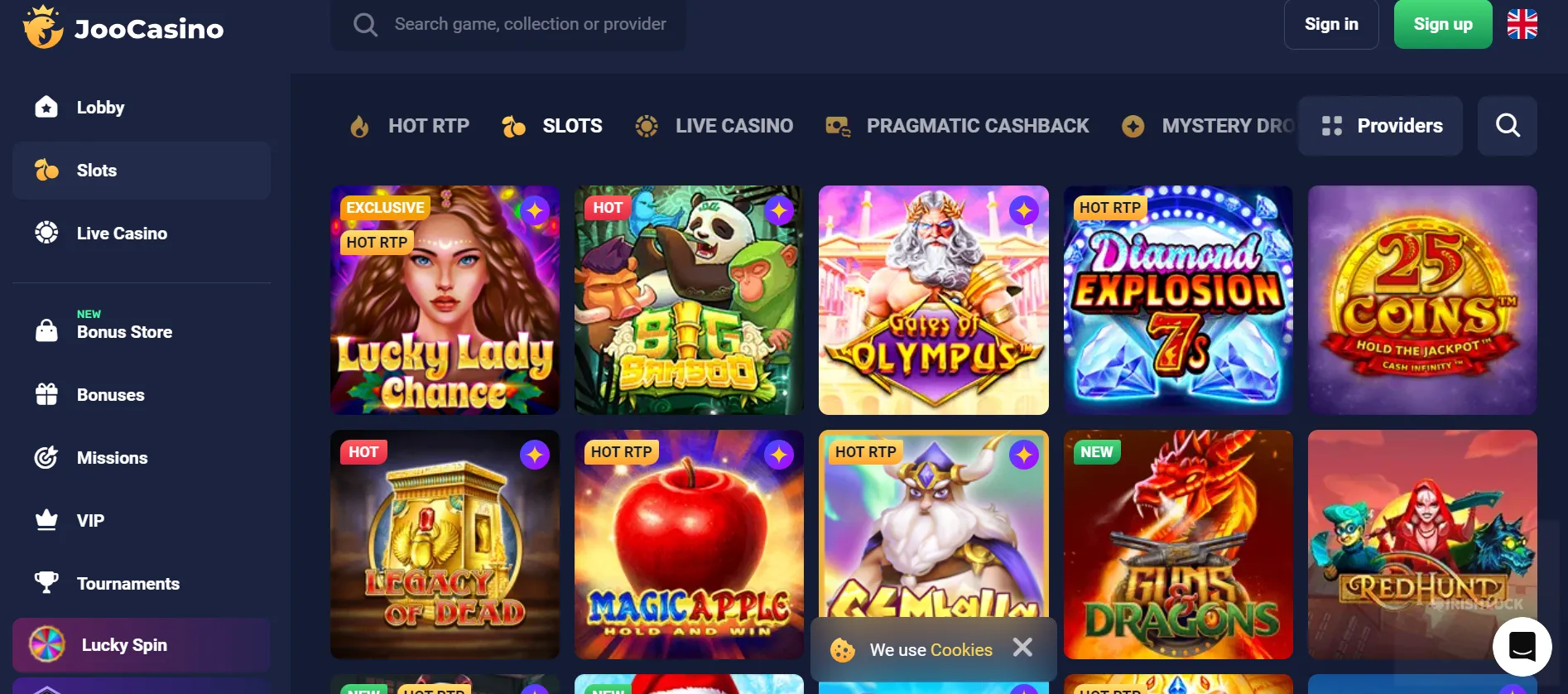
The selection at an online casino can include slots‚ table games‚ and live-dealer titles‚ but the actual catalogue can vary by region and over time. Check the lobby from your own location rather than relying on screenshots or promotional pages that may show games unavailable to Australian visitors. For any title you plan to play‚ open its information panel and review the rules‚ paytable‚ minimum and maximum stakes‚ and any bonus features.

Return-to-player (RTP) figures are theoretical long-term averages‚ not a prediction of what will happen in a short session. Volatility describes how wins may be distributed: a higher-volatility game can have less frequent but potentially larger payouts‚ while a lower-volatility game may produce smaller results more often. Neither characteristic guarantees a profit.

Try free-play mode where available to learn the interface and rules without risking money. If you choose to play for real‚ set a spending limit first and treat the stake as entertainment expenditure. Do not increase bets to recover losses‚ and take a break if playing stops feeling enjoyable.

Payments‚ withdrawals‚ and bonus conditions

Payment options shown at checkout may depend on your location‚ account status‚ and the casino’s current arrangements. Before depositing‚ confirm whether the amount is displayed in Australian dollars or another currency. Check for conversion charges from both the casino and your bank or payment provider‚ as well as minimum and maximum transaction limits.

For withdrawals‚ review the processing time‚ permitted methods‚ verification requirements‚ and any fees; Some casinos require withdrawals to be made through the original deposit method where possible. Keep transaction confirmations and contact support promptly if a payment is delayed beyond the stated timeframe. Never pay an unexpected “release fee” to an individual or unofficial account to unlock winnings.

Promotions deserve careful reading. A bonus may have a minimum deposit‚ an expiry date‚ restricted games‚ maximum cashout‚ or a wagering condition. To understand the real value of an offer‚ how to compare wagering requirements at online casinos is to look beyond the headline bonus: compare the number of times the bonus or deposit must be wagered‚ which games count‚ the deadline‚ and any withdrawal cap. For example‚ a lower multiplier can still be restrictive if only a small set of games contributes toward it. If the rules are unclear‚ ask support for an explanation before opting in.

Questions and answers

Can Australians register at Joo Casino?

Availability can change‚ and the casino’s current terms determine which jurisdictions are accepted. Check the registration page and eligibility rules directly. If Australia is excluded‚ do not submit false information or try to bypass the restriction.

What should I do if I forget my password?

Use the password-reset function on the official website. Follow the instructions sent to your registered email address‚ and contact support through the official channel if you no longer have access to that email.

Is it safe to log in on a phone?

It can be safer when you use a current operating system‚ a trusted network‚ a unique password‚ and the correct website address. Avoid shared devices and do not install apps or browser extensions from links sent by unknown parties.

Can I withdraw before completing bonus wagering?

That depends on the promotion’s terms. A withdrawal request may cancel a bonus or its associated winnings‚ and some offers restrict withdrawals until requirements are completed. Read the specific rules before accepting a promotion.

Final assessment

Joo Casino may be worth evaluating only after you confirm that Australian players are currently eligible and that the site’s rules suit your needs. A reliable login routine‚ accurate account information‚ careful verification‚ and a clear understanding of payment and bonus conditions all matter as much as the game selection. Do not deposit until you have checked the operator’s current terms‚ considered the legal position where you live‚ and decided on a firm entertainment budget.

Online gambling carries a risk of financial loss. If it is causing stress or affecting your finances‚ stop playing and seek support. Australian players can contact the National Gambling Helpline on 1800 858 858 or visit Gambling Help Online for confidential assistance.

Veilig inloggen buitenland bij Nederlandse casino’s

Veel spelers vragen zich af of ze hun favoriete spellen kunnen blijven spelen tijdens een vakantie. Het proces van buitenland online inloggen is doorgaans eenvoudig, maar er zijn belangrijke zaken om rekening mee te houden. Zorg er altijd voor dat je verbinding stabiel is voordat je inlogt op je account.

Waarom toegang soms beperkt is

Nederlandse online casino’s zijn gebonden aan strikte licentievoorwaarden die vaak bepalen dat zij alleen diensten mogen aanbieden aan spelers die zich fysiek in Nederland bevinden. Wanneer je in het buitenland bent, kan het voorkomen dat de website je IP-adres herkent en de toegang blokkeert. Dit is een standaard veiligheidsmaatregel om te voldoen aan de wetgeving rondom kansspelen.

Tips voor een zorgeloze ervaring

  • Controleer vooraf de voorwaarden van het specifieke casino.
  • Gebruik bij voorkeur een betrouwbare mobiele verbinding in plaats van openbare wifi.
  • Houd je inloggegevens altijd voor jezelf en deel ze nooit met anderen.

Mocht je problemen ervaren tijdens het inloggen, neem dan contact op met de klantenservice van het casino. Zij kunnen je vaak vertellen of er specifieke restricties gelden voor het land waar je op dat moment verblijft. Op die manier voorkom je onnodige frustraties en kun je veilig blijven spelen.

Navigating the Gray Zone – How Online Casinos Are Evolving to Protect Players While Staying Competitive

The past decade has seen online gambling explode from niche hobby to multibillion‑dollar industry. Mobile‑first platforms, live‑dealer streams, and instant‑pay crypto wallets have turned a casual spin into a round‑the‑clock pastime for millions. At the same time, public health officials and consumer‑rights groups have raised the alarm about problem gambling, labeling it a growing addiction crisis that costs societies in lost productivity, mental‑health services, and family breakdowns. For operators, the stakes are equally high: a single high‑profile case of unchecked loss can trigger regulatory fines, license suspensions, and a wave of negative press that erodes trust.

When players look for online sports betting options, they also expect the sites they use to keep their welfare in mind. The site Presidenthadi Gov Ye offers a neutral overview of gambling‑related legislation and can serve as a quick reference for anyone wanting to verify a jurisdiction’s rules.

This article examines the evolution of industry‑level safeguards through a dual lens: first, the regulatory and technological mechanisms that aim to keep vulnerable players safe; second, the tangible impact those mechanisms have on the lived experience of gamblers who are struggling. By dissecting both sides, we can see how responsible‑gaming tools are becoming a competitive advantage rather than a regulatory afterthought.

1. The Regulatory Landscape: From Mandates to Market‑Driven Standards

Across the globe, regulators have moved from simple licensing checklists to holistic, player‑centred frameworks. The UK Gambling Commission (UKGC) now requires operators to run a “Behavioural Analytics Programme” that monitors betting patterns for signs of harm. Malta’s Gaming Authority (MGA) introduced a “Responsible Gaming Code” that obliges providers to embed real‑time loss‑limits and self‑exclusion APIs into every product. In Curacao, where licensing is comparatively light, many operators voluntarily adopt UKGC‑style standards to gain credibility with international players.

In the United States, the patchwork of state licences—from New Jersey to Pennsylvania—has spurred a race to the top. States such as Michigan and Illinois mandate that every online casino display a “Gambling Harm Dashboard” showing active limits, self‑exclusion status, and a direct link to support services. These mandates have forced product teams to rethink UI flows: limit‑setting screens are now placed before the first deposit, and promotional banners must include responsible‑gaming disclosures.

Data‑analytics practices have also been reshaped. Regulators now expect operators to retain granular betting data for at least five years, enabling auditors to reconstruct a player’s trajectory when a problem is alleged. This requirement pushes companies to build secure data warehouses that can feed both compliance checks and AI‑driven safety tools without exposing raw personal identifiers.

1.1. Self‑Exclusion Schemes – Evolution and Effectiveness

Traditional self‑exclusion relied on paper forms submitted to a licensing body, often taking weeks to activate. Modern digital lock‑outs let players opt‑out with a single tap, instantly disabling login credentials across all devices. Success is measured by “re‑entry rates”: jurisdictions that report less than 8 % of excluded players returning within six months consider the system effective. Pitfalls remain, however, when operators fail to share exclusion data across borders, allowing a user to open a new account on an offshore platform.

1.2. Real‑Time Monitoring & AI‑Driven Alerts

Machine‑learning models now scan thousands of transactions per second, flagging patterns such as rapid stake escalation, repeated losses on high‑volatility slots, or wagering beyond a player’s declared income. When a risk threshold is crossed, the system pushes an in‑app alert offering a “take‑a‑break” button, a link to counseling, or an automatic temporary deposit freeze. A 2023 case study from a UK‑licensed operator showed a 27 % reduction in “high‑risk” sessions after implementing a predictive‑alert engine, while overall churn remained unchanged.

2. Built‑In Protective Features: What Players Actually Experience

From the player’s perspective, safety tools have become as visible as bonus offers. Session timers remind users after 60 minutes of continuous play, prompting a “continue?” dialog that logs the total time spent. Deposit caps can be set at daily, weekly, or monthly levels—often defaulting to £500 per week unless the player chooses a lower amount. Loss limits work similarly, automatically halting wagering once a preset loss threshold is hit. “Cool‑off” timers lock the account for 24‑72 hours after a self‑exclusion request, preventing impulsive re‑entries.

Below is a snapshot comparison of core safety features across three leading operators (Operator A, Operator B, Operator C).

Feature Operator A Operator B Operator C
Session timer 60 min default, adjustable 45 min default, mandatory 90 min optional
Deposit cap £500/ wk, lower on request £300/ wk, auto‑adjust based on play £1,000/ wk, custom
Loss limit £200/ day, lockout after breach £150/ day, optional pause £250/ day, auto‑pause
Cool‑off 24 hr mandatory 48 hr optional 72 hr enforced
AI alerts Real‑time, push notification Email only In‑app banner + SMS

Player feedback loops are now built into the experience. After each session, a short survey asks “Did you feel in control?” with a three‑point scale. Voluntary “well‑being checks” appear when a player’s win‑loss ratio deviates sharply from their historical average, offering links to budgeting tools or a live chat with a harm‑reduction specialist.

2.1. Gamification of Safe‑Play Tools

Operators are turning safeguards into a reward system. For example, completing a “budget‑set” exercise earns a 10 % boost on the next betting bonus, while taking a 30‑minute break unlocks a “free spin” coupon. These nudges keep the user engaged without feeling penalised, reinforcing responsible habits through positive reinforcement.

2.2. The Role of Third‑Party Auditors

Independent bodies such as eCOGRA and GamCare audit the technical implementation of limits, verify that AI models meet fairness standards, and publish annual compliance reports. Their seal of approval appears on the casino’s homepage, giving players confidence that the protective features have been independently verified.

3. Data Ethics and Privacy: Balancing Insight with Player Rights

Collecting behavioural data is a double‑edged sword. On one hand, granular clickstreams, bet sizes, and session durations enable predictive models that can intervene before harm escalates. On the other, GDPR in Europe and CCPA in California demand that personal data be processed lawfully, transparently, and only for the purposes expressly consented to by the user.

Operators now employ anonymisation pipelines that strip identifiers after the first 24 hours, storing only hashed session IDs for analytics. Consent‑driven data sharing is achieved through tiered opt‑ins: a basic “service‑only” consent covers account management, while an “enhanced analytics” consent unlocks personalized safety alerts. Transparent privacy policies—often hosted on a dedicated “Data Rights” page—detail exactly what is collected, why, and how long it is retained.

Best‑practice guidelines suggest publishing a quarterly “Data Impact Report” that summarises the number of alerts generated, the proportion of users who accepted a suggested break, and any data‑breach incidents. By openly communicating these metrics, operators demonstrate respect for player autonomy while still harnessing the insight needed for effective protection.

4. The Business Case: Why Protecting Vulnerable Players Benefits Operators

Problem gambling carries hidden costs that can quickly outweigh short‑term revenue spikes from aggressive marketing. License renewals in the UK now require evidence of a “harm‑reduction impact assessment,” and failure can lead to hefty fines exceeding £500,000. Litigation risk is also rising; families of harmed players are increasingly suing operators for “negligent exposure.”

From a financial perspective, sustainable player lifecycles are more profitable. A player who wagers responsibly over five years generates roughly 2.5× the net revenue of a high‑roller who quits after a single binge and a subsequent exclusion. Operators that embed responsible tools see lower churn during regulatory audits because players feel respected and safe.

Case in point: Casino X launched a “Smart‑Bet” dashboard that combined deposit caps with AI‑driven risk scores. Within twelve months, its average player lifespan grew from 18 to 27 months, and its brand sentiment score on social media rose by 14 points. The initiative was marketed as a differentiator, attracting a new segment of “conscious gamblers” who prefer platforms that prioritize wellbeing.

5. Emerging Technologies: VR Casinos, Crypto Payments, and New Risks

Virtual‑reality casinos promise immersive tables where avatars can pick up a virtual chip and hear the spin of a roulette wheel. While the sensory experience can increase engagement, it also raises the risk of “time distortion,” where players lose track of session length. Early pilots are therefore integrating mandatory “virtual‑clock” overlays that flash every ten minutes, coupled with instant “step‑out” portals that transport users back to a neutral lobby.

Cryptocurrency withdrawals bring anonymity and near‑instant payouts, appealing to tech‑savvy bettors. However, the pseudonymous nature of blockchain can hamper self‑exclusion enforcement, as an account linked to a wallet address may be re‑created under a new alias. Some operators are countering this by requiring KYC verification for any crypto transaction above a set threshold, thereby preserving traceability for responsible‑gaming tools while still offering low‑fee withdrawals for smaller bets.

Regulators are beginning to draft guidance that treats crypto‑based gambling as a separate sub‑category, mandating that operators embed AML checks and limit‑setting APIs even for wallet‑only accounts. Industry groups are already forming working‑papers to align best practices before formal legislation arrives.

6. Player Advocacy and Community‑Based Solutions

Non‑governmental organisations such as Gamblers Anonymous and national harm‑reduction charities play a pivotal role in early detection. Their helplines often receive referrals from operators’ in‑app alerts, creating a feedback loop that refines risk models. Online forums like Reddit’s r/ProblemGambling host peer‑support threads where members share coping strategies, and operators sometimes monitor these spaces (with consent) to spot emerging trends.

Collaborative programmes are emerging where casinos sponsor “well‑being hubs” on advocacy sites, offering free self‑assessment quizzes and direct chat links to counsellors. One European operator partnered with a local NGO to embed a “recovery pathway” widget inside its mobile app; users who click the widget receive a curated list of support groups, a budgeting spreadsheet, and a one‑time “re‑engagement credit” that can only be used after a 30‑day abstinence period. The pilot reported a 22 % increase in successful referrals to professional help within six months.

7. Future Outlook: Predicting the Next Decade of Responsible Online Gambling

Legislative trends point toward mandatory “gamble‑free” days, where operators must automatically block all betting activity for a user‑selected 24‑hour period each month. The UK is already consulting on a “Monthly Reset” rule, and several US states are drafting similar provisions.

AI ethics will become a regulatory focus: models must be auditable, free from bias, and explainable to both regulators and players. Biometric verification—fingerprint or facial scans—may replace passwords, allowing systems to enforce limits on a per‑person basis rather than per‑account, reducing multi‑account abuse.

Cross‑platform safety nets are likely to emerge, linking casino accounts, sportsbook profiles, and even online poker wallets under a unified “player health ID.” This would enable a single self‑exclusion request to propagate across all gambling products a user accesses, closing current loopholes.

Operators that want to stay ahead should:

  • Invest in transparent AI model documentation and third‑party audits.
  • Pilot biometric limit enforcement in low‑risk markets.
  • Join industry coalitions that share anonymised risk data for collective learning.

By treating responsible‑gaming as a core product feature rather than a compliance checkbox, operators can future‑proof their brands against tighter regulations while delivering a trustworthy experience that modern players demand.

Conclusion

Regulation, technology, and ethical business strategy are converging to reshape the online casino ecosystem. Player‑centred safeguards—self‑exclusion, AI alerts, and gamified limit tools—are no longer peripheral CSR initiatives; they are now essential pillars of sustainable growth. Operators that embed these measures early reap reputational dividends, lower legal exposure, and cultivate longer, healthier player relationships.

The path forward requires collaboration: regulators must provide clear, forward‑looking frameworks; operators need to innovate responsibly; and players, together with advocacy groups, should stay informed and voice their expectations. Together we can build a digital gambling landscape where excitement coexists with safety, and where every spin or bet is backed by a safety net that respects both freedom and wellbeing.

Zorgvuldige omgang met Herinneringsmails verlies door online casino’s

Veel spelers vragen zich af hoe goksites omgaan met hun speelgeschiedenis. Het is belangrijk om te weten wat de regels zijn rondom Herinneringsmails verlies om zo je eigen speelgedrag beter te monitoren. Casino’s hebben namelijk een zorgplicht om spelers te beschermen tegen problematisch gokken.

Verantwoordelijkheid van de aanbieder

Wanneer een speler aanzienlijke bedragen verliest, zijn legale aanbieders verplicht om in te grijpen. Dit gebeurt vaak via persoonlijke berichten of notificaties die de speler bewust maken van het verlies en de tijd die in het spel is gestoken. Het doel hiervan is om de speler een moment van reflectie te bieden voordat er verder wordt gespeeld.

Naast deze directe communicatie zijn er verschillende instrumenten die spelers zelf kunnen inzetten om hun uitgaven onder controle te houden. Het instellen van limieten is hierbij de meest effectieve methode. Enkele opties zijn:

  • Het instellen van een dagelijkse stortingslimiet.
  • Het activeren van een verlieslimiet per sessie.
  • Het gebruik van een tijdelijke pauze-optie.

Waarom is verliescompensatie verboden in de Nederlandse kansspelmarkt?

De Nederlandse kansspelwetgeving is streng en gericht op het beschermen van de consument tegen gokverslaving. Veel spelers vragen zich af waarom Verliescompensatie verboden is in ons land. Deze maatregel is ingevoerd om te voorkomen dat spelers worden verleid om langer door te spelen dan verantwoord is.

De achterliggende gedachte van de wet

Het aanbieden van bonussen die verliezen compenseren, wordt door de Kansspelautoriteit gezien als een vorm van misleidende marketing. Wanneer een speler een deel van zijn inzet terugkrijgt, ontstaat er een vals gevoel van veiligheid. Dit kan leiden tot risicovol gokgedrag, omdat de drempel om opnieuw in te zetten lager wordt wanneer het verlies wordt verzacht door een cashback-regeling.

De wetgever stelt dat kansspelen moeten draaien om entertainment en niet om het terugwinnen van verloren geld. Door dergelijke acties te verbieden, worden exploitanten gedwongen om zich te concentreren op verantwoorde deelname in plaats van op agressieve retentiestrategieën. Spelers worden hierdoor beter beschermd tegen de psychologische valkuilen die gepaard gaan met het najagen van verliezen.

Zelfbeheersing bij online gokken: Uitsluiten zonder-CRUKS mogelijkheden

Veel spelers zoeken naar manieren om hun speelgedrag beter onder controle te houden. Voor wie behoefte heeft aan meer flexibiliteit is Uitsluiten zonder-CRUKS een optie die vaak wordt onderzocht. Het is belangrijk om te begrijpen hoe individuele casino’s omgaan met dergelijke verzoeken.

Direct contact met de klantenservice

Wanneer je besluit dat je een pauze wilt inlassen, kun je bij de meeste internationale aanbieders direct contact opnemen met de ondersteuning. Door expliciet aan te geven dat je je account wilt sluiten of bevriezen, dwing je een persoonlijke blokkade af die losstaat van nationale systemen. Dit biedt een directe methode voor spelers die behoefte hebben aan een tijdelijke stop zonder dat dit direct invloed heeft op andere platformen.

Stappen voor een effectieve pauze

  • Stuur een e-mail naar de klantenservice met het verzoek tot accountsluiting.
  • Vraag om een schriftelijke bevestiging van de blokkade.
  • Verwijder eventuele apps of meldingen om verleiding te voorkomen.

Het is altijd verstandig om verantwoordelijk te blijven spelen. Mocht je merken dat je toch moeite hebt met het beheersen van je speelgedrag, dan zijn er ook bredere hulpmiddelen beschikbaar die verder gaan dan individuele casino-instellingen. Kies altijd voor een aanpak die past bij jouw persoonlijke situatie en zorg voor een gezonde balans in je vrijetijdsbesteding.

Effectieve ondersteuning via Loket-Kansspel hulp voor spelers en naasten

Gokken kan voor veel mensen een onschuldige hobby zijn, maar soms slaat de balans door naar problematisch gedrag. Wanneer gokken het dagelijks leven overschaduwt, is het essentieel om tijdig aan de bel te trekken. Zoek daarom vandaag nog naar Loket-Kansspel hulp om de eerste stap naar herstel te zetten. Professionele ondersteuning kan het verschil maken tussen een neerwaartse spiraal en een gezonde toekomst.

Waarom professionele begeleiding essentieel is

Een gokverslaving is een complexe uitdaging die vaak gepaard gaat met schuldgevoelens en financiële druk. Het is niet nodig om dit proces alleen te doorlopen, aangezien gespecialiseerde instanties beschikken over de juiste instrumenten om patronen te doorbreken. Door anoniem contact op te nemen, krijgt men toegang tot een luisterend oor en concrete handvatten om de controle over het speelgedrag terug te winnen.

Naast de speler zelf is er ook veel aandacht voor de omgeving, zoals partners en familieleden die vaak indirect de gevolgen dragen. De hulpverlening richt zich op het creëren van een veilig vangnet en het bieden van perspectief voor alle betrokkenen. Het erkennen van het probleem is de eerste en vaak moeilijkste fase, maar het is tevens de meest cruciale stap richting een leven zonder de constante zorg van gokgerelateerde problemen.

Alles wat u moet weten over de klachtenprocedure casino

Wanneer u een vervelende ervaring heeft bij een goksite, is het essentieel om te weten hoe u actie onderneemt. Zoekt u naar hulp bij een geschil, bekijk dan https://nl.quora.com/unanswered/Wat-is-de-procedure-als-je-het-niet-eens-bent-met-de-afhandeling-van-een-klacht-door-het-casino/ voor meer informatie. Een goede klachtenprocedure casino biedt spelers de nodige zekerheid en bescherming bij onenigheid over uitbetalingen of spelfouten.

Stappenplan voor het indienen van een klacht

De meeste betrouwbare aanbieders hebben een vast protocol voor het afhandelen van ontevredenheid. Begin altijd door direct contact op te nemen met de klantenservice via de live chat of per e-mail. Zorg ervoor dat u alle relevante bewijsstukken, zoals screenshots van uw inzet of transactiegeschiedenis, bij de hand heeft om uw standpunt te verduidelijken.

Indien de interne afhandeling niet naar wens verloopt, kunt u verdere stappen ondernemen. Veel casino’s zijn aangesloten bij onafhankelijke bemiddelaars die toezien op een eerlijk proces. Het is verstandig om altijd geduldig te blijven en alle correspondentie schriftelijk vast te leggen voor uw eigen dossier.

De cruciale rol van klantenservice bij gokproblemen

Veel spelers vragen zich af hoe casino’s reageren wanneer het spelplezier omslaat in een zorgwekkende situatie. Het is essentieel om te begrijpen dat https://nl.quora.com/unanswered/Hoe-moet-de-klantenservice-van-een-casino-omgaan-met-een-speler-die-om-hulp-vraagt-bij-gokproblemen/ een vraag is die steeds vaker centraal staat in het maatschappelijk debat. Medewerkers zijn getraind om signalen van risicovol gedrag tijdig te herkennen en adequaat in te grijpen.

Verantwoordelijkheid en ondersteuning

Wanneer een speler aangeeft dat het gokken uit de hand loopt, moet de klantenservice direct professionele hulp bieden. Dit betekent niet alleen luisteren, maar ook concrete instrumenten aanreiken zoals het instellen van speellimieten of het tijdelijk blokkeren van het account. Door een veilige omgeving te creëren, kunnen casino’s bijdragen aan de bescherming van kwetsbare spelers.

Stappen voor hulp

  • Directe uitsluiting van het platform voor een bepaalde periode.
  • Verwijzing naar gespecialiseerde instanties voor verslavingszorg.
  • Informatie over het instellen van strikte stortingslimieten.

Het is van groot belang dat medewerkers empathisch en zonder oordeel reageren. Een integere klantenservice fungeert als een vangnet dat kan voorkomen dat een tijdelijk probleem uitgroeit tot een blijvende persoonlijke crisis. Spelers die de stap zetten om hulp te vragen, verdienen altijd een snelle en respectvolle opvolging van hun verzoek.

Wat u moet weten over CRUKS buitenland en uw speelgedrag

Veel spelers vragen zich af of hun zelfuitsluiting ook grensoverschrijdend geldt. Het is belangrijk om te begrijpen hoe werkt cruks in het buitenland wanneer u besluit om over de grens te gaan gokken. Het Centraal Register Uitsluiting Kansspelen is namelijk een puur Nederlands systeem dat geen directe koppeling heeft met internationale casino’s.

De beperkingen van het Nederlandse systeem

Omdat CRUKS een nationaal instrument is, hebben buitenlandse gokexploitanten geen toegang tot deze database. Dit betekent dat een registratie in Nederland u in principe niet automatisch blokkeert bij fysieke casino’s in landen als België, Duitsland of Frankrijk. U blijft dus zelf verantwoordelijk voor uw eigen speelgedrag wanneer u zich buiten de Nederlandse landsgrenzen bevindt.

Het is echter verstandig om bij een gokprobleem ook in het buitenland hulp te zoeken of uzelf op lokale lijsten te plaatsen. Veel landen beschikken over hun eigen uitsluitingsregisters die vergelijkbaar zijn met het Nederlandse systeem. Hier zijn enkele stappen die u kunt ondernemen om uzelf te beschermen:

  • Informeer bij het lokale casino naar de mogelijkheden voor zelfuitsluiting.
  • Gebruik internationale hulporganisaties voor gokverslaving.
  • Vermijd de verleiding door uzelf ook in het buitenland proactief te blokkeren.