
The Allure of Instant Gratification
One of the primary factors that contribute to the addictive nature of slot machines is the instant gratification they provide. Players experience immediate feedback with each spin, creating a rush of excitement and anticipation. This rapid reward system engages the brain’s pleasure centers, releasing dopamine, a neurotransmitter that contributes to feelings of pleasure and satisfaction. As a result, players can find themselves drawn into a cycle of playing where the thrill of winning is only moments away, often leading them to seek out a fast withdrawal online casino to maximize their enjoyment and keep the excitement going during prolonged sessions that can quickly spiral out of control.
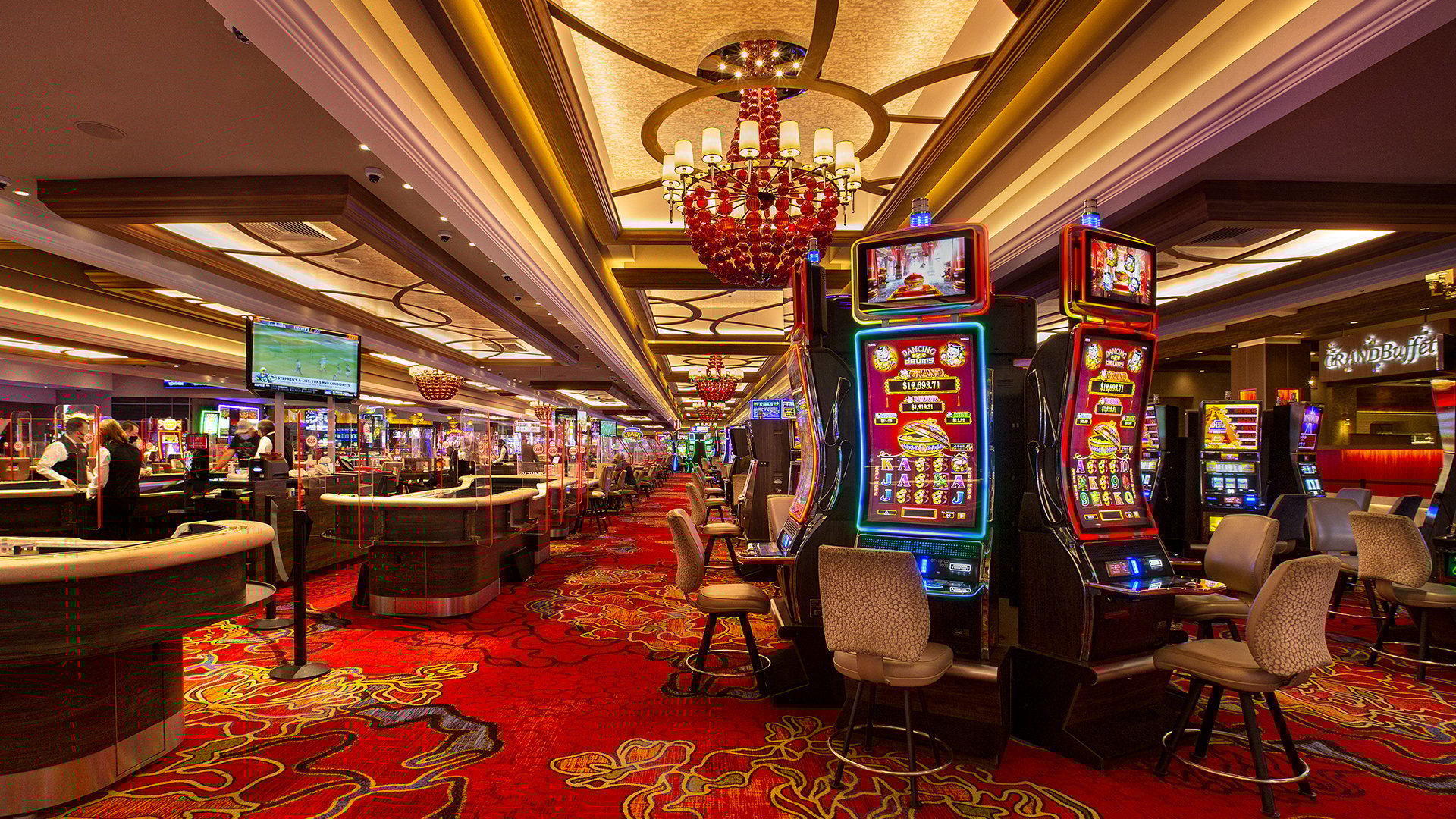
This instant feedback loop is further enhanced by the design of the machines themselves. With bright lights, captivating sounds, and engaging graphics, the sensory experience is meticulously crafted to keep the player’s attention. Many players find it hard to resist the urge to play just one more spin, hoping to replicate the excitement of their last win. This design approach exploits the brain’s reward pathways, making it easy for people to lose track of time and money while seeking that next high, creating an environment where the line between fun and obsession can easily blur.
The psychological effects of instant gratification are compounded by the principle of variable rewards. Unlike games with predictable outcomes, slot machines deliver unpredictable results, creating a sense of suspense and hope. This uncertainty means that even after a series of losses, players still feel compelled to continue, believing that their luck will soon change. This phenomenon, known as the “near-miss effect,” reinforces the addictive nature of slot machines, as players are often left feeling like they were just one spin away from a big win, keeping them engaged and hopeful despite the odds.
The Role of Design and Technology
Modern slot machines are masterpieces of design and technology, engineered to maximize player engagement. Game developers invest significant resources into creating visually stunning and immersive experiences that captivate players from the moment they approach the machine. This includes intricate themes, storytelling elements, and compelling animations that enhance the overall experience. By immersing players in a captivating narrative, designers create an emotional connection that encourages prolonged gameplay and makes it difficult for players to walk away.
The technology behind slot machines has also evolved to include advanced algorithms and random number generators, ensuring that every spin is genuinely random yet satisfying. This level of unpredictability adds a layer of excitement, making each play feel like an adventure. Players are often led to believe they are on the edge of a significant breakthrough, which keeps them engaged for longer periods. By blending artistry with technology, slot machines create an irresistible allure that is difficult to resist, making it easy for players to become engrossed in the experience.
Additionally, the integration of social features into digital slots has further amplified their appeal. Players can now connect with friends, share their achievements, and participate in community events, making the experience more interactive. This social aspect can heighten the enjoyment and engagement level, as players find themselves wanting to play not just for the thrill of winning but also to maintain their social connections. As a result, the combination of design, technology, and social engagement contributes to the overwhelming allure of slot machines, creating a multifaceted experience that draws players in.
The Psychology of Reward Systems
The concept of reward systems plays a crucial role in understanding why slot machines can be so addictive. The intermittent rewards delivered by these machines create a psychological phenomenon known as the reinforcement schedule. This schedule means that players do not receive a reward every time they play, but rather after a series of random spins, which maintains their interest and keeps them returning for more. The unpredictability of when a reward might occur leads to a state of excitement that compels players to keep playing, often disregarding their initial intentions or budget.
Moreover, the thrills of winning, even small amounts, can become addictive. Each win, regardless of its size, activates the brain’s reward pathways, reinforcing the behavior. Players often chase these small wins, hoping for the big jackpot that is typically out of reach. This chase creates an emotional rollercoaster, where the highs of winning are juxtaposed against the lows of loss, making the game all the more compelling. The emotional investment becomes stronger as players find themselves sucked deeper into the experience, often leading to increased time and money spent on the machines.
Understanding the psychology behind why people become addicted to slot machines requires a closer look at the emotional states that gambling can invoke. Many individuals turn to gambling as a form of escapism, seeking relief from stress or boredom. The combination of thrill and the potential for significant financial gains can create a powerful emotional draw. As time goes on, it becomes increasingly challenging for players to step away, caught in a cycle where the highs and lows of gambling overshadow their everyday lives. This cycle can lead to significant financial and emotional repercussions, highlighting the need for awareness and self-regulation.
Social Acceptance and Cultural Factors
The social acceptance of gambling, especially in many cultures today, has contributed to the proliferation and addiction of slot machines. With casinos often being viewed as entertainment venues rather than places of potential financial risk, many individuals feel a sense of permission to indulge. This normalization of gambling leads to the misconception that playing slot machines is a harmless pastime, rather than recognizing the mental and financial pitfalls associated with it. The societal perception that gambling is an acceptable leisure activity can lead to increased participation and a lack of caution among players.
Additionally, the marketing strategies used to promote slot machines often target specific demographics, portraying them as glamorous and exciting. Advertisements can glamorize the winners, showcasing lavish lifestyles that come from striking it rich. This creates a fantasy that entices new players, leading them to believe they too can achieve the same success. The portrayal of gambling as a fun and harmless activity further entrenches the prevalence of slot machine addiction within society, making it imperative for individuals to critically assess their own motivations and behaviors.
Peer influence also plays an important role in the addiction to slot machines. When individuals see their friends or family members enjoying the thrill of the game, it can create a sense of FOMO (fear of missing out). People may feel pressured to join in, which can lead to increased participation in gambling. This social dynamic can perpetuate a cycle of gambling where the addictiveness of slot machines becomes magnified through shared experiences, reinforcing the notion that it is a perfectly acceptable leisure activity. As such, the collective behaviors of peers can significantly impact an individual’s gambling habits.
Final Thoughts on Gambling Addiction
Understanding the factors that contribute to the addictive nature of slot machines is vital for anyone who plays them. Awareness of the psychological, emotional, and social elements involved can help individuals navigate their gambling behaviors more responsibly. With the right knowledge, players can develop a healthier relationship with these machines and recognize the signs of excessive gambling. As awareness grows, the potential for addiction can be mitigated, empowering players to make informed choices about their gaming activities and maintain control over their habits.
Furthermore, the discussion surrounding gambling addiction is crucial in fostering a supportive environment for those affected. Society must continue to engage in conversations about the risks associated with gambling while promoting responsible practice. Compulsive gambling can have devastating impacts on individuals and families, making it imperative that communities come together to provide resources and support for those in need. This dialogue can help to destigmatize addiction and encourage individuals to seek help when necessary.
Ultimately, while slot machines may continue to captivate players with their alluring designs and potential rewards, it is essential to approach them with caution and awareness. As players seek that next spin, understanding the factors behind their addictive nature can lead to more mindful gameplay and a better overall experience. Engaging in responsible gambling practices is not just beneficial for individual players; it contributes to a healthier community overall, allowing everyone to enjoy the thrill of gaming without falling prey to addiction.