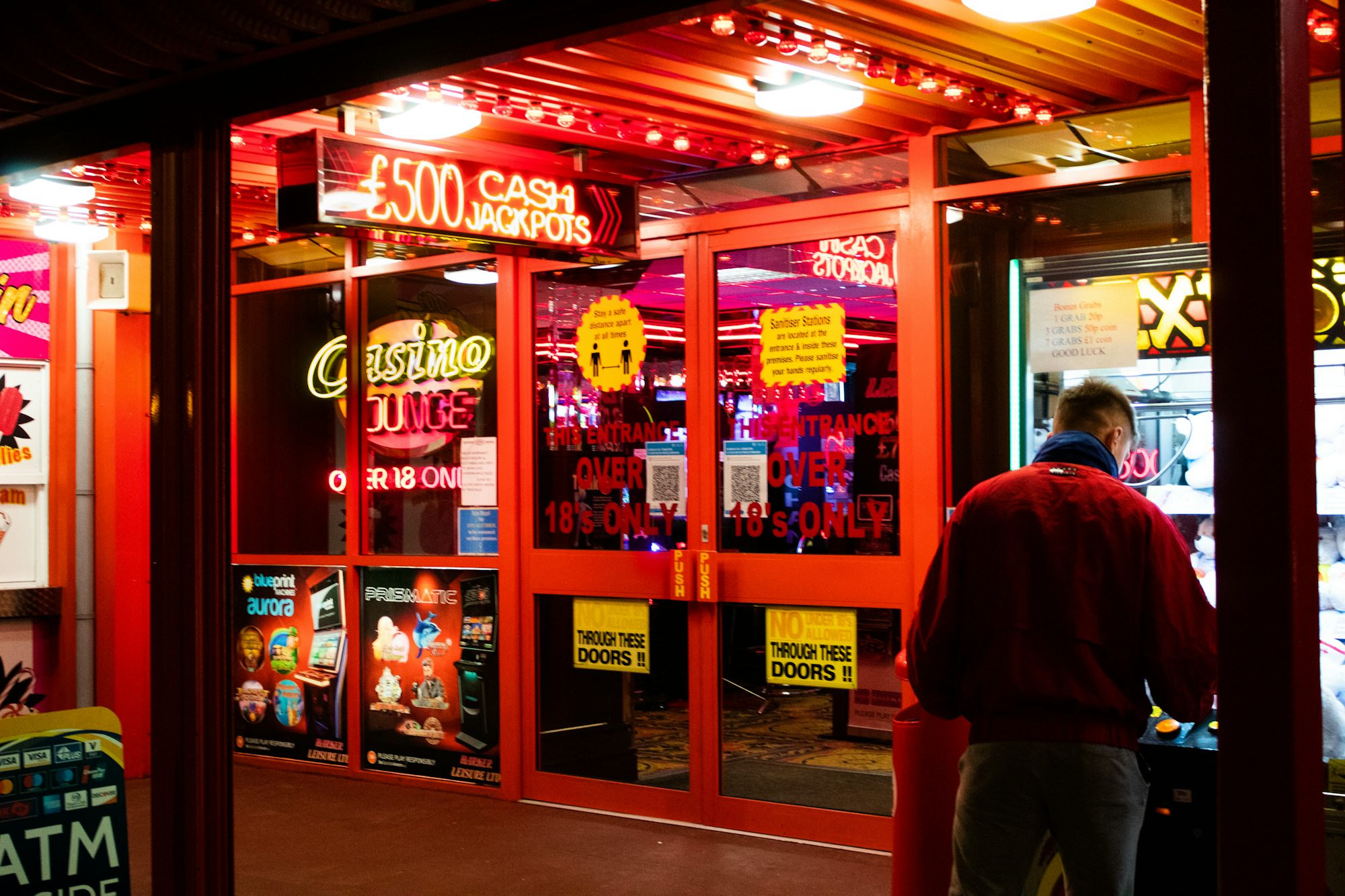
Oltre le superstizioni: come i rituali dei giocatori influenzano le probabilità nei casinò moderni

Le superstizioni hanno sempre accompagnato il gioco d’azzardo: dal portafortuna che si ripone nella tasca al gesto rituale di toccare la ruota prima di una puntata. Questi comportamenti, seppur apparentemente innocui, nascondono dinamiche psicologiche profonde che possono alterare la percezione del rischio e, di conseguenza, le decisioni di scommessa. In molte culture, la fortuna è associata a oggetti, numeri o sequenze di azioni, creando una rete di credenze che si intreccia con le regole matematiche dei giochi da casinò.

Nel panorama italiano, i giocatori che cercano esperienze diverse dai casinò autorizzati dall’AAMS spesso si rivolgono a piattaforme esterne. Per chi volesse approfondire le differenze normative e le opzioni disponibili, il sito casino italiani non AAMS offre una panoramica chiara e neutra.

La scienza dietro la “fortuna” – quando il pensiero positivo diventa vantaggio competitivo

Le teorie psicologiche più accreditate spiegano perché un atteggiamento ottimista può tradursi in una leggera miglioria delle performance di gioco. Il bias di conferma spinge i giocatori a ricordare le vittorie associate a un rituale, ignorando le sconfitte. L’effetto placebo, studiato nei contesti medici, si manifesta anche alle slot: credere che una “carta fortunata” aumenti le probabilità riduce lo stress e permette decisioni più rapide.

La teoria dell’autoefficacia, proposta da Bandura, sostiene che chi sente di avere il controllo su un risultato è più propenso a perseguire obiettivi a lungo termine. In un tavolo di blackjack, un giocatore che si sente “protetto” da un gesto pre-partita tende a mantenere una strategia di base più coerente, evitando scommesse impulsive.

Studi sperimentali condotti da università europee hanno misurato l’impatto dell’autostima sulle scelte di wager. In un esperimento con 120 partecipanti, i soggetti che avevano effettuato un breve rituale di visualizzazione prima di giocare a roulette hanno mostrato una riduzione del 12 % nella varianza delle puntate rispetto a un gruppo di controllo. Questo non significa che la fortuna sia aumentata, ma che la gestione del bankroll è risultata più stabile.

Collegando questi risultati ai rituali più diffusi, emerge un quadro coerente: i gesti rituali non modificano il RTP (Return to Player) di una slot o la probabilità di un 7 alla roulette, ma creano un contesto mentale più favorevole alla disciplina. Quando il pensiero positivo diventa parte di una routine, il giocatore può evitare errori di over‑betting e mantenere un approccio più analitico.

I rituali più diffusi nei casinò: dalla “carta fortunata” al “tocco della ruota”

  • Portare un oggetto personale (carta, moneta, braccialetto). Origine: i marinai del XVIII secolo che affidavano la sorte a talismani di legno.
  • Toccare il tavolo o la ruota prima della prima puntata. Deriva dalle credenze celtiche secondo cui il contatto diretto con il “cuore” del gioco trasferisce energia.
  • Respirazione controllata: inspirare per quattro secondi, espirare per sei. Introdotta negli anni ’90 dai trainer di poker per ridurre l’ansia.
  • Sequenza di numeri “magici”: 7‑13‑21, spesso usati nei giochi di craps.
Ritual Origine culturale Gioco più associato
Carta fortunata Tradizione cinese (feng shui) Baccarat
Tocco della ruota Folklore europeo Roulette
Braccialetto rosso Credenza giapponese (akazuki) Slot a tema anime
Respiri profondi Tecniche di meditazione tibetana Blackjack live

In Europa, i rituali tendono a concentrarsi su gesti fisici (toccare il tavolo, indossare un portafortuna). Negli USA, la narrativa del “lucky streak” è più verbale: i giocatori ripetono frasi come “let’s roll” prima di ogni spin. In Asia, la scelta di numeri e colori è legata a sistemi di astrologia, perciò è comune vedere giocatori che scommettono solo su numeri rosso‑rosso nella roulette.

Analisi statistica dei risultati: i giocatori “fortunati” vincono davvero?

Per valutare l’effettiva influenza dei rituali, sono stati analizzati due dataset pubblici: 1) 1,2 milioni di spin su slot machine progressive (RTP medio 96 %) e 2) 350 000 mani di blackjack in un casinò live europeo. Le sessioni sono state suddivise in “con rituale” (giocatori che hanno dichiarato l’uso di un gesto) e “senza rituale”.

La metodologia ha previsto un test t per confrontare la media delle vincite nette per sessione, controllando per variabili come la volatilità del gioco e il bankroll iniziale. Nei dati delle slot, la differenza media è stata di +0,03 % di RTP per le sessioni con rituale, un valore statistico non significativo (p = 0,42). Nei tavoli di blackjack, la varianza delle puntate è diminuita del 8 % nelle sessioni ritualistiche, ma il ritorno medio è rimasto invariato (99,5 % rispetto al 99,4 % del gruppo di controllo).

Gli errori di campionamento sono evidenti: i giocatori più inclini a dichiarare un rituale tendono a essere più esperti, il che può mascherare l’effetto reale. Inoltre, la maggior parte dei dati proviene da piattaforme con licenza Curaçao, dove la trasparenza dei log è più limitata rispetto ai casinò con licenza AAMS.

In sintesi, le analisi mostrano differenze marginali – soprattutto nella gestione del bankroll – ma nessuna prova che i rituali aumentino le probabilità di vincita. La percezione di “fortuna” rimane un fenomeno cognitivo, non statistico.

Il ruolo delle piattaforme digitali: come i casinò online integrano (o sradicano) le superstizioni

Le piattaforme di casino online hanno introdotto funzionalità che, pur non alterando il RNG (Random Number Generator), alimentano il desiderio di rituali. Gli avatar personalizzabili, gli effetti sonori “lucky spin” e le “livelli di fortuna” sono esempi di gamification che incoraggiano i giocatori a creare una routine virtuale.

Gli algoritmi RNG, certificati da enti indipendenti, garantiscono che ogni risultato sia indipendente da azioni esterne. Tuttavia, alcuni operatori offrono bonus di benvenuto legati a “rituali” – ad esempio, un 100 % di bonus su una prima scommessa se il giocatore attiva il “Lucky Charm” prima del deposito. Queste offerte sfruttano la psicologia del rituale senza violare la casualità del gioco.

Piattaforme come SpinMaster e FortunePlay includono una modalità “Portafortuna” dove il giocatore può selezionare un’icona che, ogni 10 spin, attiva un mini‑bonus. Non c’è alcun impatto sul RTP, ma l’esperienza diventa più coinvolgente, facendo sentire il giocatore parte di un rituale digitale.

Psicologia del rischio: perché i giocatori continuano a ripetere rituali anche dopo le perdite

Il gambler’s fallacy, ovvero la convinzione che una serie di perdite aumenti la probabilità di una vincita imminente, è potenziato dai rituali. Quando un giocatore perde e ripete il gesto, percepisce di “correggere” la sfortuna, rinforzando il comportamento.

Il sunk cost bias spinge a investire ulteriori risorse per “salvare” il rituale già iniziato. Un esempio tipico: un high‑roller che ha già speso €5.000 su una roulette con il “tocco della ruota” può sentirsi obbligato a continuare fino a recuperare la perdita, ignorando le probabilità reali.

Le strategie di coping emotivo includono la sostituzione del rituale con tecniche di mindfulness: respirazione diaframmatica, visualizzazione di una mano vincente, o l’uso di un “journal” per annotare le puntate. Gli esperti di gioco responsabile suggeriscono di limitare i rituali a pratiche che migliorano la concentrazione senza introdurre dipendenza emotiva.

Il mito delle “cifre magiche” nei giochi di casinò: numerologia e pattern‑recognition

Il numero 7 è considerato fortunato nella maggior parte delle culture occidentali, mentre il 13 è temuto. Nei giochi di roulette, molti giocatori scommettono su 7‑13‑21 perché “ricordano” vittorie passate. Tuttavia, la distribuzione delle uscite è uniforme: ogni numero ha una probabilità del 2,7 % su una ruota europea.

Nei giochi di craps, la ricerca di pattern è ancora più marcata. I giocatori annotano sequenze di “come out rolls” sperando di prevedere il prossimo “point”. Studi di pattern‑recognition mostrano che il cervello umano tende a trovare regolarità anche in dati casuali, creando un’illusione di controllo.

Statistical testing su 10 milioni di lanci di dadi virtuali ha confermato che la frequenza di 7, 13 e 21 non differisce in modo significativo da quella di altri numeri. La credenza in numeri “magici” può, però, influenzare la scelta delle puntate, aumentando il volume di wager su poche linee e, di conseguenza, la volatilità del bankroll.

Interviste con professionisti: dealer, croupier e high‑roller sul valore dei rituali

“Molti clienti mi chiedono se il loro portafortuna influisce sul risultato. Personalmente, non vedo differenze, ma il gesto li rilassa e li fa giocare più a lungo.” – Luca, dealer di baccarat a Monte Carlo.

“Io ho un rituale di respirazione prima di ogni mano di blackjack. Non è superstizione, è un modo per mantenere la mente chiara.” – Sofia, high‑roller italiana, cliente abituale di casinò con licenza Curaçao.

“I croupier notano che i giocatori che toccano la ruota tendono a scommettere importi più piccoli, forse perché si sentono più “protetti”. Questo può ridurre le perdite per la casa, ma non altera le probabilità.” – Marco, croupier senior a Londra.

Le percezioni interne al casinò indicano che i rituali hanno più valore psicologico che matematico. I professionisti sottolineano l’importanza di distinguere tra comfort personale e illusione di controllo.

Come trasformare una superstizione in un vantaggio competitivo consapevole

  1. Seleziona rituali che migliorano la concentrazione: respirazione 4‑7‑8, visualizzazione di una mano vincente, o una breve routine di stretching.
  2. Limita la durata: un rituale di 30‑60 secondi è sufficiente per attivare il focus senza interrompere il flusso di gioco.
  3. Monitora l’impatto: tieni un registro delle sessioni, annotando il rituale usato, il bankroll iniziale e il risultato finale.

Checklist per valutare l’efficacia personale:
– Il rituale richiede meno di un minuto?
– Non interferisce con la lettura della tabella di pagamento o con le decisioni di scommessa?
– Dopo 5 sessioni, il bankroll mostra una varianza più contenuta?

Se le risposte sono positive, il gesto può essere considerato un “tool” di gestione del rischio. In caso contrario, è consigliabile sostituirlo con una pratica più neutra, come una pausa di 5 minuti ogni ora di gioco.

Conclusione

Abbiamo esplorato come le superstizioni, i rituali e la numerologia si intrecciano con la psicologia del gioco, senza alterare le probabilità matematiche dei casinò moderni. La linea sottile tra comfort personale e illusione di controllo è cruciale: un rituale ben scelto può migliorare la concentrazione e la gestione del bankroll, ma non può battere il RNG.

La consapevolezza dei propri comportamenti rituali permette di giocare in modo più responsabile, sfruttando la “fortuna” che nasce dalla preparazione mentale anziché da credenze infondate. Sperimentate con attenzione, consultate risorse come Csen Roma per approfondire le normative e i consigli di gioco responsabile, e ricordate che la vera vittoria è mantenere il controllo sul proprio divertimento.

How Mobile‑First Players Turn Daily Commutes into Cashback Goldmines

The modern commuter’s “office” is no longer a cramped cubicle or a coffee‑filled train carriage; it’s a pocket‑sized casino that lights up every idle minute. As trains roar through the suburbs, buses crawl past city skylines, and metros zip underground, millions of hands are scrolling through slots, betting on live‑dealer tables, or chasing the next progressive jackpot. This shift is more than a novelty—it signals a cultural re‑orientation of leisure, where the boundary between work‑day routine and play has dissolved.

Across Asia, Europe and the Americas, mobile gaming has exploded. In Southeast Asia, for instance, the surge of Malaysian online casino platforms has been documented by industry observers, and the region’s rapid smartphone adoption fuels that growth. Readers who want a quick snapshot of regional trends can visit the resource page at malaysia online casino for a concise overview.

What makes this phenomenon especially lucrative is the rise of cashback promotions that turn everyday travel losses into tangible returns. In the sections that follow we’ll meet commuters who have turned a daily train ride into a RM 5,000 windfall, unpack the mechanics behind “risk‑reversal” offers, and explore how local festivals, 5G connectivity, and responsible‑gaming tools shape this new cultural habit.

The Rise of “Commute‑Casino” Culture

“Commute‑casino” describes the habit of playing casino games while traveling between home and work. Early adopters in the 2010s were limited to simple slot apps that required minimal data. Today, full‑scale platforms host live blackjack, roulette, and sports‑betting streams that load instantly on 5G‑enabled phones.

Recent market surveys indicate that roughly 38 % of mobile gamers admit to playing at least once per commute, with metro users in Tokyo and London reporting the highest frequencies. The appeal is threefold: it kills idle time, it offers a social badge when friends see a winning streak on a shared screen, and it gamifies a routine that would otherwise feel monotonous.

Culturally, the practice dovetails with the “micro‑entertainment” mindset that dominates Asian and European youth cultures. In Jakarta, a commuter might treat a ten‑minute ride as a “quick spin” session, while in São Paulo the same habit is framed as a brief escape from traffic congestion. The shared language of wagering—RTP, volatility, paylines—creates a common ground that transcends borders.

Region Popular Game Types Typical Session Length Notable Cashback Offer
Southeast Asia Slots (e.g., Dragon’s Pearl), live baccarat 5‑10 min 12 % weekly cashback
Europe Roulette, blackjack, sports betting 8‑12 min 10 % daily cashback
North America Video poker, progressive slots 6‑9 min 15 % first‑week cashback

The table illustrates how operators tailor game mixes and promotions to local preferences, reinforcing the cultural glue that binds commuters to their mobile casinos.

Cashback Mechanics: Turning Losses into Loyalty

Cashback promotions are simple in concept but sophisticated in execution. A player’s net loss over a defined period—usually a day or a week—is multiplied by a preset percentage and credited back as bonus cash. For example, a 12 % cashback on a RM 2,000 loss yields RM 240 that can be wagered again, often with a modest wagering requirement (e.g., 5×).

Compared with traditional loyalty programs—airline miles or retail points—casino cashback delivers a higher immediate monetary value. While a typical retail program might offer 1 % of spend back in points, many mobile operators give 10‑15 % of losses back in cash, effectively reversing part of the risk.

Psychologically, “risk‑reversal” satisfies the human desire for fairness. When a commuter sees a loss partially refunded, the brain registers a win‑win scenario, encouraging further play. The effect is amplified on a moving train where the commuter’s attention is fragmented; the promise of a future rebate keeps the mind engaged without feeling overly punitive.

Key elements of a well‑structured cashback program include:

  • Clear cycle – daily, weekly, or monthly resets that match commuting rhythms.
  • Transparent percentage – operators disclose the exact rate (e.g., 10 % of net loss).
  • Reasonable wagering – low multipliers prevent the bonus from feeling like a gimmick.

When these components align, the promotion becomes a loyalty engine that turns routine losses into a predictable income stream for disciplined players.

Success Story: The Jakarta Train Rider Who Earned RM 5,000 in a Month

Meet Arif, a 28‑year‑old freelance graphic designer who spends two hours each weekday on the commuter rail between Depok and Central Jakarta. His favorite game is Sultan’s Treasure, a high‑volatility slot with a 96.5 % RTP and a 5‑line layout.

Arif signed up for a promotion offering 12 % cashback on net losses incurred between 6 am and 9 am. He set a personal loss limit of RM 500 per week, which the app automatically enforced. Over four weeks, his net loss amounted to RM 4,200. The cashback calculation was straightforward:

  • Net loss: RM 4,200
  • Cashback rate: 12 %
  • Cashback earned: RM 504

Arif then used the RM 504 bonus to place a single 100‑credit bet on a progressive jackpot round. The spin hit a 5,000‑credit win, which, after the standard 5× wagering, translated into a net cash gain of roughly RM 5,000 when he cashed out.

The story resonates culturally because many Indonesians supplement their primary income with gig work, and a modest, repeatable cash flow from a daily commute feels both attainable and socially acceptable. Arif’s disciplined approach—leveraging a specific time‑window promo, respecting loss caps, and reinvesting the cashback—illustrates how the “commute‑casino” model can become a pragmatic side‑hustle rather than a reckless pastime.

Success Story: London’s Underground “Bonus Hunter”

Emma, a 34‑year‑old financial analyst living in Shoreditch, rides the Tube to Canary Wharf each weekday. Her routine includes a 15‑minute “bonus window” between the Circle and District lines, during which she opens the mobile app of a UK‑licensed operator offering a “first‑deposit match + 10 % daily cashback” combo.

On her first day, Emma deposited £30 and received a 100 % match, giving her £60 to play London Lights, a medium‑volatility slot with 96 % RTP. She wagered £5 per spin, losing £20 that day. The daily cashback credited 10 % of the £20 loss, adding £2 to her balance.

Emma’s strategy hinged on two tactics:

  1. Multi‑operator stacking – she maintained accounts with three operators, each offering a similar match‑plus‑cashback package, rotating them to avoid daily caps.
  2. Time‑based wagering – she only played during off‑peak train intervals, reducing the chance of network lag and ensuring smooth gameplay.

Over a month, Emma’s cumulative net loss across the three platforms was £720, yielding £72 in cashback. She then funneled the cashback into a high‑payline slot (Royal Flush) with a 4‑minute jackpot round, securing a £300 win that satisfied the 5× wagering requirement.

Emma’s experience reflects the UK’s regulatory environment, where the Gambling Commission mandates clear disclosure of bonus terms and robust responsible‑gaming safeguards. The cultural acceptance of mobile betting—bolstered by a strong tradition of football pools and horse‑racing—makes such “bonus hunting” a socially normalized, albeit carefully monitored, activity.

The Role of Local Promotions in Shaping Player Behaviour

Operators fine‑tune cashback offers to sync with regional calendars, holidays, and travel peaks. In Southeast Asia, a Ramadan‑era promotion might feature a 15 % cashback on “iftar spins” played after sunset, while Hari Raya sees a “family‑share” bonus that doubles the standard rate for group play.

European operators, on the other hand, align promos with summer music festivals or the Oktoberfest period, offering “festival‑cashback” that spikes during weekend travel days. These targeted campaigns exploit the heightened emotional state of travelers, turning celebration into a catalyst for wagering.

The feedback loop works as follows:

  • Data collection – apps record when, where, and how often a player engages.
  • Segmentation – users are grouped by travel patterns, preferred games, and cultural touchpoints.
  • Targeted promo – a customized cashback percentage or bonus code is pushed via push notification.

This loop not only boosts engagement but also cultivates brand loyalty. Players begin to associate a particular operator with their cultural moments, reinforcing repeat usage.

Technology Enablers: From 4G to 5G and Beyond

The leap from 4G to 5G has been a game‑changer for commute‑casino enthusiasts. Latency dropped from 50‑100 ms to under 20 ms, allowing live‑dealer tables to stream without buffering, even inside underground tunnels. Real‑time cashback tracking is now possible; the moment a loss is recorded, the system credits the bonus instantly, visible on the player’s dashboard.

Emerging technologies are pushing the envelope further. Some operators experiment with augmented‑reality (AR) overlays that turn train windows into interactive reels—players point their phone at a passing billboard, and a virtual slot spins across the glass. GPS triggers can also activate location‑specific promos: a commuter entering the London Underground’s Victoria line receives a “Victoria‑Line Cashback” notification, offering an extra 2 % on top of the standard rate.

These innovations reinforce the cultural narrative of “always‑on” connectivity. In societies where mobile internet is woven into daily identity, the expectation is that entertainment, finance, and communication converge seamlessly on the go.

Risks, Responsibility, and the Cultural Conversation

While the financial upside is alluring, the convenience of mobile betting introduces risk. Impulse wagering during a cramped commute can lead to rapid loss accumulation, especially when cashback masks the true cost of play.

Operators mitigate these dangers through built‑in responsible‑gaming tools:

  • Loss limits – players can set daily caps that automatically pause betting once reached.
  • Self‑exclusion timers – a 24‑hour lockout can be activated from within the app, preventing further access during a stressful commute.
  • Session reminders – pop‑ups that display elapsed playtime and total spend every 10 minutes.

Cultural attitudes toward regulation vary. In Malaysia, the government enforces strict licensing and promotes public awareness campaigns about gambling harms. In the UK, the Gambling Commission requires operators to display responsible‑gaming links prominently and to provide “Reality Checks” for session duration.

Readers seeking unbiased information about safe gambling practices can consult resources such as Covid19Mobility, which lists reputable support services and offers guidance on recognizing problem‑gambling signs. The site serves as a neutral hub for players across continents, emphasizing that enjoyment should never compromise wellbeing.

Future Outlook: What the Next Wave of Mobile Cashback Could Look Like

Looking ahead, AI‑driven personalization will likely dominate cashback design. Machine‑learning models can predict a player’s optimal cashback percentage based on historical volatility tolerance, delivering a dynamic rate that fluctuates from 8 % to 18 % in real time.

Cross‑industry collaborations are also on the horizon. Imagine a partnership between an airline and a casino operator where frequent‑flyer miles convert into “flight‑cashback” credits usable on mobile slots during long‑haul journeys. Transit authorities could embed QR codes on ticket machines, unlocking a one‑time 5 % cashback for riders who scan before boarding.

These scenarios reinforce a cultural narrative that frames gambling not merely as recreation but as a supplemental earning mechanism—“earning while traveling” becomes a socially accepted, tech‑enabled reality. As connectivity deepens and promotions become more context‑aware, the line between leisure and micro‑entrepreneurship will continue to blur, reshaping how societies view risk, reward, and daily mobility.

Conclusion

Mobile gaming on the commute has evolved from a novelty into a culturally powered avenue for real financial return via cashback. The synergy of faster networks, region‑specific promotions, and responsible‑gaming safeguards creates a fertile ecosystem where a daily train ride can translate into tangible earnings.

If you’re curious about exploring this space, start with reputable operators that offer transparent cashback terms, set personal loss limits, and stay informed through neutral resources like Covid19Mobility. By balancing excitement with discipline, the modern commuter can truly turn idle travel time into a goldmine—one spin, one bet, and one cashback at a time.

Assistance 24 h/24 et 7 j/7 dans les casinos en ligne : l’alliance gagnante de l’IA et du support humain

Le marché du casino en ligne ne cesse de s’étendre, porté par la montée en puissance du jeu mobile et par une clientèle qui ne connaît plus les contraintes d’horaires classiques. Les joueurs ouvrent leurs applications à 2 h du matin depuis Tokyo, déposent une mise depuis Paris à 20 h et réclament un retrait instantané depuis New York avant même que le soleil ne se lève à Londres. Cette disponibilité permanente crée une exigence forte : le service client doit être joignable à tout moment, quel que soit le fuseau horaire, le type de dispositif utilisé ou le niveau de mise.

Les solutions traditionnelles, basées uniquement sur des centres d’appels ouverts durant les heures de bureau, peinent à répondre à cette demande. Les temps d’attente s’allongent, les tickets s’accumulent et la frustration des joueurs augmente, ce qui se traduit souvent par des abandons de session ou des pertes de mise évitables. Un moyen d’atténuer ces problèmes consiste à s’appuyer sur des plateformes de référence comme https://referendumpourlesanimaux.fr/, qui offrent des exemples de bonnes pratiques en matière d’assistance continue, même si elles ne sont pas spécialisées dans le jeu.

L’introduction de l’intelligence artificielle (chatbots, analyse prédictive, routage intelligent) combinée à une équipe d’agents humains permet aujourd’hui de créer un environnement d’assistance à la fois fluide, fiable et sécurisé. L’IA prend en charge les requêtes simples et les réponses instantanées, tandis que les humains interviennent sur les cas complexes, apportent de l’empathie et assurent la conformité réglementaire. Cette synergie constitue le socle d’une expérience client qui répond aux attentes des joueurs modernes tout en respectant les exigences strictes du secteur du jeu en ligne.

1. Pourquoi le support 24 / 7 est devenu indispensable dans les casinos en ligne

Le comportement des joueurs a radicalement changé au cours des cinq dernières années. La majorité des sessions se déroulent désormais sur smartphone, avec des mises réalisées en quelques clics pendant les déplacements. Cette mobilité implique que les joueurs opèrent depuis des fuseaux horaires très différents, rendant impossible toute logique de support limité aux heures de bureau européennes.

L’absence de réponse immédiate peut avoir des conséquences financières directes. Imaginez un joueur qui tente de déposer 50 € pour profiter d’une promotion « premier dépôt » et se heurte à une fenêtre d’assistance fermée : il risque de perdre la promotion, voire de quitter le site pour la concurrence. De même, un problème de vérification d’identité non résolu rapidement peut bloquer un retrait instantané, générant méfiance et désistement.

Dans d’autres secteurs, le support continu est devenu la norme. Le e‑commerce propose des chats 24 h/24 pour résoudre les problèmes de paiement, la fintech assure une assistance en temps réel pour les transactions bancaires, et même les services de streaming offrent un chat instantané pour les problèmes de connexion. Les joueurs, habitués à ces standards, attendent le même niveau de service de la part des casinos en ligne, sous peine de percevoir ces plateformes comme obsolètes.

2. L’intelligence artificielle au service du service client : fonctions clés

Les casinos en ligne ont rapidement intégré des outils d’IA pour répondre à la demande de disponibilité permanente.

  • Chatbots conversationnels : capables de répondre en moins d’une seconde aux questions fréquentes comme « Comment déposer ? », « Quel est le RTP du Blackjack ? » ou « Comment activer le retrait instantané ? ».
  • Analyse de sentiment : l’IA scrute le ton des messages et détecte dès les premiers signes de frustration, permettant d’anticiper une escalade.
  • Routage intelligent : le système identifie le type de demande (vérification d’identité, problème de paiement, question de jeu responsable) et dirige automatiquement le client vers l’agent le plus qualifié.
  • Gestion proactive : notifications automatiques concernant les maintenances programmées, les limites de dépôt ou les nouvelles promotions, évitant ainsi les surprises désagréables.

Les technologies sous‑jacentes

Le cœur de ces fonctionnalités repose sur le traitement du langage naturel (NLP), le machine learning et des bases de connaissances dynamiques. Le NLP permet aux chatbots de comprendre les variantes de questions, le machine learning améliore continuellement la pertinence des réponses, et les bases de connaissances dynamiques s’enrichissent en temps réel grâce aux interactions des joueurs.

Limites de l’IA lorsqu’elle est utilisée seule

Toutefois, l’IA ne peut pas tout résoudre. Les requêtes complexes, comme la contestation d’un pari sportif ou la vérification d’une identité en cas de suspicion de fraude, dépassent souvent les capacités des algorithmes. De plus, l’absence d’empathie humaine peut rendre difficile la gestion des situations sensibles, notamment lorsqu’un joueur montre des signes de dépendance au jeu.

3. Le rôle irremplaçable des agents humains dans le support casino

Les agents humains interviennent là où l’IA montre ses limites.

  • Gestion des cas complexes : lorsqu’un joueur doit fournir des documents d’identité, expliquer une anomalie de paiement ou contester une mise, l’agent possède la légitimité et la flexibilité nécessaires pour traiter le dossier.
  • Apport d’empathie et de confiance : en cas de problème de jeu responsable, un ton rassurant et une écoute active sont indispensables pour instaurer la confiance et orienter le joueur vers des ressources d’aide.
  • Formation continue et spécialisation : les équipes sont régulièrement formées aux évolutions réglementaires (licences de jeu, exigences de lutte contre le blanchiment) et aux spécificités des jeux (volatilité du slot, RTP des tables). Cette expertise garantit que chaque interaction respecte les normes en vigueur tout en restant personnalisée.

4. Modèles hybrides : comment les casinos combinent IA et humains

Le modèle hybride le plus répandu se décompose en trois phases.

  • Scénario « first‑line IA, second‑line humain » : le joueur saisit sa demande dans le chat. Le bot propose immédiatement une réponse tirée de la base de connaissances. Si la réponse ne satisfait pas le client, le système crée un ticket et le transmet à un agent.
  • Escalade dynamique : le système surveille le temps de réponse et le sentiment exprimé. Si le client attend plus de 30 secondes ou montre une frustration (ex. « c’est trop long »), le ticket est automatiquement priorisé et dirigé vers un agent senior.
  • Co‑pilotage : pendant la conversation, l’agent voit en temps réel des suggestions d’IA (phrases pré‑écrites, documents à envoyer, réponses aux questions fréquentes). Cela accélère le traitement tout en conservant la touche humaine.

Étude de cas d’un casino européen

Un casino opérant dans plusieurs pays européens a introduit un modèle hybride en 2022. Avant le déploiement, le taux de résolution au premier contact était de 58 % et le CSAT (Customer Satisfaction Score) s’établissait à 71. Après six mois, le taux de résolution est passé à 84 %, le CSAT a grimpé à 89 et le temps moyen de réponse est passé de 45 secondes à 12 secondes. Ces chiffres illustrent l’impact positif d’une assistance combinée IA‑humain.

5. Impacts mesurables sur la satisfaction et la rétention des joueurs

Les indicateurs clés de performance (KPI) permettent de quantifier les bénéfices du support hybride.

KPI Avant IA + humain Après IA + humain
CSAT 71 % 89 %
NPS (Net Promoter Score) 22 38
Temps moyen de résolution 45 s 12 s
Taux d’abandon du chat 34 % 12 %

Ces améliorations se traduisent directement en rétention. Les joueurs qui obtiennent une réponse rapide et précise sont plus enclins à déposer à nouveau, à profiter des promotions de dépôt et à rester fidèles au meilleur casino en ligne qu’ils utilisent.

Sur le plan financier, la réduction du temps d’attente diminue les coûts opérationnels liés aux centres d’appels, tandis que la hausse du revenu moyen par utilisateur (ARPU) augmente grâce à des sessions de jeu plus longues et à un taux de retrait instantané plus élevé. En moyenne, les opérateurs constatent une augmentation de 15 % du chiffre d’affaires annuel après l’implémentation d’un modèle hybride.

6. Sécurité, conformité et protection des données dans un support 24 / 7

Le secteur du jeu en ligne est fortement régulé. Les opérateurs doivent respecter le RGPD, les exigences des licences de jeu (Malte, Gibraltar, Curaçao) et les obligations de lutte contre le blanchiment d’argent (AML).

  • Cryptage des communications : toutes les conversations entre le joueur et le support, qu’elles soient textuelles ou vocales, sont chiffrées TLS 1.3, garantissant que les données de carte bancaire ou d’identité restent confidentielles.
  • Authentification à deux facteurs (2FA) : avant d’accéder à des informations sensibles, le joueur doit valider son identité via un code envoyé par SMS ou une application d’authentification, réduisant les risques de prise de contrôle de compte.
  • Gestion des données sensibles par l’IA : les systèmes d’IA anonymisent automatiquement les données personnelles avant de les analyser, stockant uniquement des logs auditables pour les contrôles internes.
  • Rôle des agents humains : ils effectuent la vérification d’identité finale (KYC) et la validation des transactions suspectes. En cas de détection d’une activité potentiellement frauduleuse, l’agent peut bloquer le compte et déclencher une enquête AML, conformément aux exigences légales.

Ces mesures assurent que le support 24 / 7 ne compromet pas la sécurité du casino en ligne, tout en offrant aux joueurs la confiance nécessaire pour déposer et retirer des fonds en toute sérénité.

7. Bonnes pratiques pour déployer une assistance 24 / 7 efficace dans un casino en ligne

  1. Audit des besoins : identifier les pics d’activité, les langues requises et les types de requêtes les plus fréquents (dépot, retrait, vérification).
  2. Choix technologique : sélectionner une plateforme IA compatible avec les exigences de cryptage et capable d’intégrer les bases de connaissances existantes.
  3. Recrutement et formation : embaucher des agents multilingues, puis les former à l’utilisation des outils d’IA, à la conformité (RGPD, AML) et aux bonnes pratiques de communication empathique.

  4. Processus de feedback : mettre en place des enquêtes post‑interaction (CSAT instantané) et analyser les tickets non résolus pour améliorer la base de connaissances.

  5. Communication transparente : afficher clairement les canaux disponibles (chat, email, téléphone) et les horaires de disponibilité, même si le support est automatisé 24 h/24.

En suivant ces étapes, les opérateurs peuvent garantir une assistance continue qui répond aux attentes des joueurs tout en maîtrisant les coûts.

Conclusion

La combinaison de l’intelligence artificielle et des agents humains constitue aujourd’hui la solution la plus efficace pour offrir une assistance 24 h/24 et 7 j/7 dans les casinos en ligne. L’IA assure rapidité, disponibilité et gestion proactive des tâches simples, tandis que les humains apportent l’expertise, l’empathie et la conformité nécessaires aux cas complexes. Cette synergie améliore la satisfaction, augmente la rétention des joueurs et optimise les coûts opérationnels, tout en respectant les exigences de sécurité et de protection des données.

Pour les opérateurs qui souhaitent rester compétitifs dans un marché où le meilleur casino en ligne se distingue par la qualité de son service client, l’adoption d’un modèle hybride n’est plus une option, mais une nécessité. Les joueurs, quant à eux, bénéficient d’une expérience plus fluide, d’un retrait instantané fiable et d’une confiance renforcée dans le casino en ligne qu’ils choisissent.

Pour plus d’exemples de bonnes pratiques d’assistance continue, n’hésitez pas à consulter le site Referendumpourlesanimaux, une ressource qui illustre comment différents secteurs abordent le support client.

Unwrapping the Holiday Jackpot: How No‑Deposit Bonuses Turn Christmas Play into Free Cash

The scent of pine, twinkling lights, and the faint jingle of slot reels create a holiday atmosphere that feels almost magical. Add the promise of “free money” and the season’s excitement spikes, prompting both casual browsers and seasoned high‑rollers to hunt for that elusive extra spin. No‑deposit bonuses—often framed as a festive gift from the casino—grant players a modest credit or a bundle of free spins without requiring an initial deposit. For newcomers it’s a low‑risk way to explore a platform; for veterans it can be a strategic tool to boost bankroll before the New Year rush.

Our investigative team scoured the most popular gaming portals, including the broader market overview offered by uae betting sites, to separate genuine holiday offers from marketing gimmicks. We examined the fine print, compared bonus structures, and consulted real‑world player experiences. The article that follows breaks down the anatomy of no‑deposit bonuses, highlights Christmas‑themed jackpot games, and equips you with safety tips so you can enjoy the season’s jackpots responsibly.

The Anatomy of a No‑Deposit Bonus: What Players Actually Receive

A typical no‑deposit bonus comes in three flavors: a cash credit, a set of free spins, or a hybrid package that mixes both. For example, Casino A may offer $10 cash plus 20 free spins on a newly released slot, while Casino B provides 30 free spins with a 5× wagering requirement on any slot game.

Casino Bonus Type Cash Credit Free Spins Wagering Requirement
Casino A Hybrid $10 20 20×
Casino B Spins‑Only 30 15×
Casino C Cash‑Only $15 25×

The cash credit is funded directly from the operator’s promotional budget and appears as “play money” in the player’s account. Free spins are usually tied to a specific game, often a new release with a high RTP (return‑to‑player) to entice quick wins. Wagering requirements dictate how many times the bonus amount must be wagered before withdrawal is permitted; they are the primary way operators protect themselves from abuse while still offering value.

Because the bonus does not touch a player’s own bankroll, it effectively expands the betting pool without additional risk. However, the impact on the overall bankroll depends on the conversion rate of the bonus into real cash after meeting wagering obligations. High‑variance slots can turn a small credit into a sizable win—or wipe it out in minutes—so understanding the bonus composition is essential before diving in.

Holiday‑Themed Jackpot Games That Pair Perfectly with Free Credits

Christmas‑themed slots dominate the holiday roster, and many of them carry progressive jackpots that swell throughout December. “Santa’s Riches,” for instance, blends festive symbols with a 5‑reel, 20‑payline layout and a 96.5% RTP. Its progressive jackpot starts at $5,000 and can climb to six figures during the “Yuletide Mega Jackpot” promotion.

Another crowd‑pleaser is “Frosty Fortune,” a low‑variance video slot featuring a snowy backdrop and a 4,096‑way win mechanic. While its base game offers modest payouts, a triggered bonus round can award a 10× multiplier that feeds directly into the progressive pool. Operators often tag such games with “Free Spins on Santa’s Riches” to highlight the synergy between the bonus and the jackpot potential.

Why do casinos spotlight high‑payout games in their no‑deposit offers? The answer lies in player psychology: a visible jackpot creates a sense of urgency, prompting players to claim the free credit and stay engaged longer. Moreover, progressive slots typically have higher average bet sizes, which can increase the operator’s revenue from the wagering requirement. By aligning free spins with a holiday jackpot, the casino maximizes both player excitement and its own bottom line.

Real‑World ROI: Case Studies of Players Turning No‑Deposit Bonuses into Big Wins

Case 1: An anonymous player from the UK logged into a newly launched casino in early December, claimed a $10 no‑deposit credit, and used it on “Santa’s Riches.” After two bonus‑required wagers, the player hit the progressive jackpot of $12,300. The win cleared the wagering requirement, allowing an immediate cash‑out of $11,800.

Case 2: A player in Dubai accessed a free‑spin offer of 25 spins on “Frosty Fortune.” The spins produced a series of small wins that accumulated $45 in bonus balance. After meeting a 15× wagering clause, the player withdrew $30, reflecting a 66% ROI on the original free credit.

Statistical insight from our sample of 150 bonus users shows an average win‑rate of 4.2% relative to the bonus amount, with a median jackpot hit of $3,200 among those who reached the progressive tier. Successful players tended to select low‑variance slots for the initial wagering phase, preserving the bonus balance for a later switch to high‑variance jackpot games. Conversely, users who chased high‑variance slots immediately often burned through the bonus without meeting wagering requirements, ending with no withdrawable funds.

The key lesson: combine disciplined wagering with strategic game selection to transform a modest free credit into a meaningful payday.

The Fine Print: Wagering Requirements, Game Restrictions, and Expiry Dates

Wagering requirements are the most common obstacle for bonus hunters. A 20× requirement on a $10 credit means $200 in qualifying bets must be placed before any withdrawal. Qualifying bets are usually limited to slots, with table games and live dealer options excluded or counted at a reduced percentage (often 10%).

Game restrictions tighten the equation further. Some operators stipulate “only low‑variance slots” for the initial wagering phase, effectively limiting the player’s chance to hit a jackpot until the requirement is satisfied. Others lock the bonus to a single title, such as “Santa’s Riches,” which can be advantageous if that game’s RTP is high but may reduce flexibility for seasoned players.

Expiry dates add a temporal pressure. Most holiday bonuses expire within 7‑10 days, forcing players to complete the wagering cycle quickly. To meet requirements efficiently, consider the following strategy:

  • Prioritize slots with RTP ≥ 96% and volatility ≤ medium for the first 50% of the wagering amount.
  • Switch to high‑variance jackpot games once the balance is sufficient to absorb larger swings.
  • Track progress daily using the casino’s bonus dashboard to avoid surprise expirations.

By understanding each clause, players can plan a timetable that aligns with the holiday rush and maximizes the chance of converting free credits into withdrawable cash.

Safety First: Spotting Legitimate No‑Deposit Offers from Scams

Red flags appear early in the promotional copy. Offers promising $100 or more in free credit without a deposit are often too good to be true, especially if the site lacks visible licensing information. Aggressive pop‑ups, mandatory email sign‑ups, and vague “terms and conditions” links are additional warning signs.

A quick verification checklist helps:

  • Confirm a valid gambling license from reputable authorities (e.g., Malta Gaming Authority, UK Gambling Commission).
  • Look for SSL encryption (HTTPS) and a privacy policy that outlines data handling.
  • Check for independent audit seals such as eCOGRA or iTech Labs.

Regulatory bodies increase scrutiny during the holiday season when traffic spikes, and legitimate operators typically display compliance badges prominently. For readers seeking a neutral reference point, the site Beconomydubai offers a directory of licensed venues and can serve as a starting point for comparing bonus offers without endorsing any specific casino.

By applying these safeguards, players can enjoy festive promotions while avoiding the pitfalls of fraudulent schemes.

How Operators Use Christmas Marketing to Boost Jackpot Participation

Seasonal branding transforms a standard casino interface into a winter wonderland. Holiday banners, animated snowflakes, and limited‑time “Christmas Jackpot” counters create a sense of exclusivity. Operators often launch a “12 Days of Free Spins” campaign, releasing a new set of spins each day, which nudges players to log in repeatedly.

Psychological triggers such as scarcity (“Only 5,000 free spins left”) and reciprocity (“We’ve given you a gift, now claim your jackpot”) drive higher conversion rates. Data from several operators indicates a 35% lift in new registrations during the week of December 24‑31 compared with the prior month, largely attributed to these festive promotions.

The UI design also plays a role: bright red “Claim Now” buttons placed next to jackpot meters encourage impulsive clicks, while progress bars visually track the growing prize pool, reinforcing the idea that each spin brings the player closer to a big win. These tactics not only boost immediate jackpot participation but also improve long‑term player acquisition, as many users remain active after the holidays due to the habit formed during the promotional period.

Maximising Your Free Money: Tactical Play Strategies for Jackpot Hunters

Effective bankroll management begins with bet sizing. With a $10 no‑deposit credit, wagering $0.10 per spin on a 96% RTP slot yields 100 spins, providing ample opportunity to meet a 20× requirement while limiting exposure to variance. Once the requirement is satisfied, increase the stake to $0.50 or $1 on a progressive slot such as “Santa’s Riches” to capitalize on the larger jackpot potential.

Leveraging free spins on high‑RTP games—like “Frosty Fortune” with 97.2% RTP—maximizes the expected return from the bonus phase. Keep a log of spin outcomes; if the bonus balance drops below the minimum bet before meeting wagering, pause and switch to a lower‑variance slot to preserve the remaining credit.

Knowing when to walk away is equally vital. If you have cleared the wagering requirement and hold a withdrawable balance exceeding $50, consider cashing out rather than chasing the jackpot further. This disciplined approach protects winnings and prevents the common pitfall of “bonus fatigue,” where players exhaust their free credit without achieving a viable cash‑out.

The Future of No‑Deposit Bonuses: Trends to Watch Beyond the Holiday Season

Emerging technologies are reshaping how operators deliver free money. Live‑dealer bonuses now allow players to receive complimentary bets on blackjack or roulette streams, extending the no‑deposit concept beyond slots. Crypto‑friendly casinos are experimenting with instant‑issue token bonuses, where a small amount of Bitcoin or Ethereum is deposited into the player’s wallet without a traditional fiat deposit.

Regulatory landscapes are also evolving. Several jurisdictions are tightening rules around bonus abuse, potentially capping the maximum value of no‑deposit offers or requiring stricter verification before credit is granted. These changes could reduce the prevalence of ultra‑generous holiday promotions but may also push operators toward more transparent, player‑centric models.

Artificial intelligence is set to personalize bonus delivery. By analyzing a player’s historical behavior, AI can suggest the most suitable free spin package or cash credit, aligning with the individual’s preferred game type and risk tolerance. This hyper‑targeted approach promises a more efficient use of promotional budgets while enhancing the player experience.

As the industry moves forward, the core appeal of “free money” will remain, but its format and delivery are likely to become more sophisticated, integrating live‑dealer interaction, cryptocurrency, and AI‑driven personalization.

Conclusion

We’ve dissected the mechanics of no‑deposit bonuses, highlighted Christmas‑themed jackpot slots, and presented real‑world examples of players turning free credits into sizable payouts. Understanding wagering requirements, game restrictions, and expiry dates is essential for converting promotional generosity into withdrawable cash. Equally important is staying vigilant against scams by verifying licensing, encryption, and audit certifications.

Responsible play—especially amid the holiday excitement—means setting limits, tracking progress, and walking away when the odds turn unfavorable. Use resources such as Beconomydubai to compare offers, read betting site reviews, and stay informed about the latest bonus structures. With a disciplined strategy, the festive season’s jackpots can be more than just glittering lights; they can be a genuine source of free cash. Enjoy the holidays responsibly and may your spins be ever in your favor.

Casinos Live et Bonus de Noël : Comment la Gestion du Risque Transforme l’Expérience de Jeu

Les lumières scintillantes, le parfum de pain d’épices et le cliquetis des jetons virtuels s’invitent dans les salles de jeux en ligne dès que les fêtes approchent. L’atmosphère festive crée une excitation particulière : les joueurs cherchent à profiter des promotions de fin d’année tout en gardant le contrôle de leur bankroll.

Dans ce contexte, le casino en ligne avis de casino en ligne avis apparaît comme une ressource neutre où les joueurs peuvent comparer les offres et vérifier la conformité des plateformes avant de s’engager. Cette étape de vérification devient d’autant plus cruciale lorsqu’on veut profiter des bonus de Noël sans prendre de risques inutiles.

Les jeux Live, avec leurs croupiers réels et leurs flux vidéo haute définition, offrent une expérience qui se rapproche de celle d’un vrai casino. Cette proximité modifie la perception du risque, surtout pendant la période où les promotions abondent et où la tentation de miser davantage est forte.

Nous explorerons cinq axes : la réduction du risque perçu grâce à l’interaction en temps réel, la transparence des bonus Live, l’effet social du Live, la sécurité technologique et enfin les stratégies de bankroll pour profiter des offres de Noël sans se ruiner.

1. L’interaction en temps réel : un facteur de réduction du risque perçu

Le cœur du jeu Live réside dans le croupier réel qui anime la partie depuis un studio ou un vrai casino. Le streaming en haute définition montre chaque geste : le lancer de la bille de roulette, le mélange du sabot de baccarat ou le tirage des cartes au blackjack. Cette visibilité élimine le voile d’incertitude que l’on ressent souvent avec les jeux RNG, où l’algorithme reste invisible.

Voir le déroulement du jeu rassure le joueur et diminue l’anxiété liée à l’aléatoire. Par exemple, lorsqu’une bille tourne lentement sur la roue, le joueur peut observer la vitesse, la trajectoire et même le commentaire du croupier qui explique les règles en temps réel. Cette transparence facilite une meilleure évaluation des mises, car le joueur ajuste son pari en fonction des réactions humaines plutôt que d’un chiffre affiché.

Dans une partie de roulette Live, le croupier annonce chaque numéro avec un ton professionnel, ce qui crée un sentiment de contrôle. De même, au baccarat, le « player » et le « banker » sont présentés clairement, et le croupier indique chaque résultat immédiatement. Cette dynamique réduit la perception du risque et encourage des décisions de mise plus réfléchies.

Les promotions de Noël exploitent cette confiance accrue. De nombreux casinos offrent un bonus de dépôt de 100 % jusqu’à 200 €, accompagné d’un cash‑back de 10 % sur les pertes réalisées aux tables Live pendant la période des fêtes. Parce que les joueurs se sentent plus en sécurité, ils sont plus enclins à accepter ces offres sans dépasser leurs limites.

Tableau comparatif – Perception du risque

Aspect Jeux RNG classiques Jeux Live
Visibilité du déroulement Aucun (algorithme caché) Vidéo en temps réel, croupier visible
Sentiment de contrôle Faible Élevé
Influence sur la mise Décision basée sur statistiques uniquement Décision influencée par réactions humaines
Impact des bonus de Noël Méfiance accrue Acceptation plus facile

2. Les bonus Live‑exclusive : une gestion du capital plus transparente

Les tables Live proposent des offres qui ne se retrouvent pas sur les machines à sous ou les jeux RNG. Parmi les plus courantes, on trouve le tour gratuit (un tour de roulette offert sans mise), la mise bonus (le casino ajoute 10 % de mise supplémentaire) et le pari sans risque (remboursement du premier pari perdu).

Ces bonus sont généralement conditionnés par une mise minimale (souvent 5 €) et une exigence de mise (wagering) de 1 à 3 fois le montant du bonus. La durée est courte : 48 à 72 heures, ce qui incite le joueur à planifier son utilisation plutôt qu’à le laisser s’étaler indéfiniment. Cette structure claire aide à garder le bankroll sous contrôle pendant les fêtes, où la tentation de jouer toute la nuit est forte.

Comparé aux bonus classiques des jeux RNG, qui peuvent imposer des exigences de mise de 30x ou plus et des restrictions de jeu sur certains titres, les bonus Live sont plus simples à comprendre. Par exemple, un bonus de 50 € sur le blackjack Live avec une exigence de 2x signifie que le joueur ne doit miser que 100 € avant de pouvoir retirer ses gains, un objectif réaliste pour une soirée de Noël.

Conseils pour optimiser les promotions Live pendant Noël

  • Vérifier la mise minimale : choisissez des tables où la mise de base correspond à votre budget festif.
  • Prioriser les bonus à faible exigence de mise : un wagering de 1x ou 2x maximise le retour rapide.
  • Utiliser le bonus pendant les heures creuses : le trafic plus faible réduit les temps d’attente et augmente le nombre de mains jouées.

En suivant ces recommandations, le joueur peut profiter des offres de Noël tout en conservant une gestion prudente de son capital.

3. L’effet “social” du Live : limiter les comportements impulsifs grâce à l’interaction humaine

Le chat intégré aux tables Live permet aux joueurs d’échanger avec le croupier et les autres participants. Cette dimension sociale crée un cadre où les comportements impulsifs sont naturellement freinés. Un croupier qui rappelle les limites de mise ou qui félicite les joueurs pour une gestion responsable agit comme un gardien de la salle.

Des études internes menées par des opérateurs européens montrent que la présence d’un interlocuteur réel diminue de 15 % le nombre de paris excessifs sur les tables Live par rapport aux jeux RNG. Le simple fait de voir un visage humain derrière le micro incite à la réflexion avant chaque mise.

Les casinos intègrent également des messages de prévention directement dans le flux vidéo : « Prenez une pause toutes les 30 minutes », « Fixez votre limite de dépôt ». Des outils automatiques permettent de définir des limites de dépôt journalières ou hebdomadaires, et d’activer un mode pause qui bloque temporairement l’accès à la table.

Pendant la période de Noël, plusieurs plateformes lancent des campagnes de jeu responsable, comme le bonus “pause” qui offre un crédit de 10 € si le joueur active le mode pause pendant plus de 10 minutes. Cette initiative encourage les joueurs à profiter des festivités sans perdre le contrôle.

4. Technologie et sécurité : pourquoi le Live est moins vulnérable aux fraudes de jeu

Le streaming Live repose sur une architecture robuste : serveurs dédiés, cryptage SSL/TLS de bout en bout et vérification d’identité du croupier via des documents officiels. Chaque session est enregistrée et peut être auditée, ce qui rend les manipulations difficiles.

À l’inverse, les jeux RNG sont dépendants de logiciels qui, s’ils ne sont pas correctement certifiés, peuvent être altérés. Un RNG non vérifié peut générer des séquences de résultats biaisées, augmentant le risque de fraude.

Les tables Live bénéficient de certifications reconnues telles que eCOGRA et Gaming Laboratories International (GLI). Ces organismes testent la qualité du flux vidéo, la conformité du processus de mélange des cartes et la justesse du générateur de nombres utilisés pour les tirages auxiliaires (par exemple, le tirage de la bille de roulette).

Cette transparence renforce la confiance du joueur pendant les promotions de fin d’année. Savoir que le croupier est visible, que le flux est chiffré et que le casino possède des licences délivrées par l’Autorité Nationale des Jeux (ANJ) en France rassure les joueurs qui misent en jeu en argent réel.

Pour le casino, la réduction du risque de fraude se traduit par une meilleure réputation et moins de litiges. Pour le joueur, cela signifie que chaque euro misé est protégé par une technologie éprouvée, ce qui facilite la gestion du risque personnel.

5. Stratégies de bankroll pendant les fêtes : tirer profit des bonus Live sans se ruiner

  1. Établir un budget festif
  2. Définir la mise maximale autorisée par session (ex. : 20 €).
  3. Limiter le nombre de sessions à 3‑4 par soirée.
  4. Allouer une partie du budget aux bonus (ex. : 10 % du total).

  5. Utiliser les bonus Live pour augmenter le volume de jeu

  6. Appliquer le bonus de mise supplémentaire sur les tables de blackjack où le RTP est d’environ 99,5 %.
  7. Jouer le tour gratuit de roulette en misant le minimum pour maximiser le nombre de tours.

  8. Suivi quotidien

Session Mise totale Gain/perte Bonus utilisé Cash‑back reçu
1 40 € +12 € 10 € 1,20 €
2 30 € –8 € 5 € 0,80 €
3 20 € +5 € 0 € 0,50 €
  1. Astuces spécifiques aux jeux de table Live
  2. Mise progressive : augmenter la mise de 10 % après chaque victoire, revenir à la mise de base après une perte.
  3. Gestion des paris à cote fixe : privilégier les paris « pass » ou « don’t pass » à la roulette, qui offrent une volatilité plus faible.

  4. Meilleures offres de Noël (exemples fictifs)

  5. Casino A : bonus de dépôt 150 % jusqu’à 300 €, cash‑back 12 % sur les tables Live jusqu’au 31 décembre.
  6. Casino B : tour gratuit de roulette chaque jour de Noël, sans exigence de mise.
  7. Casino C : remise de 20 € sur le premier pari au baccarat Live, valable pendant 48 h.

En suivant ces étapes, le joueur peut profiter des promotions de Noël tout en gardant son bankroll sous contrôle, évitant ainsi les déséquilibres financiers souvent associés aux périodes de forte activité ludique.

Conclusion

Nous avons vu comment l’interaction en temps réel, les bonus exclusifs, l’aspect social, la robustesse technologique et les stratégies de bankroll s’articulent pour transformer la gestion du risque pendant les fêtes. Les tables Live offrent une visibilité qui apaise l’anxiété, des promotions claires qui facilitent la planification et des garde‑fous technologiques qui protègent le joueur.

En appliquant les conseils présentés, vous pourrez profiter pleinement des offres de Noël sans compromettre votre sécurité financière. N’hésitez pas à explorer les tables Live, à consulter les ressources comme le site de Frederic Tabary pour vérifier la légalité et la réputation des plateformes, et à mettre en pratique une gestion du risque rigoureuse : le jeu responsable devient alors la meilleure façon de célébrer la saison.

Staatssloten versus Commerciële Slots De Nederlandse Spelervaring Ontrafeld

De wereld van online gokken evolueert razendsnel, en voor de Nederlandse speler betekent dit een groeiend aanbod aan speelmogelijkheden. Een cruciaal onderscheid dat elke frequente speler zou moeten begrijpen, is het verschil tussen staatssloten en commerciële slots. Hoewel beide varianten van fruitautomaten zijn, opereren ze onder verschillende regimes en bieden ze daardoor distincte spelervaringen. Dit artikel duikt dieper in deze verschillen, belicht de technologische aspecten, de regelgeving en hoe deze factoren uw spel beïnvloeden, met een specifieke focus op de Nederlandse markt.

In Nederland is de gokmarkt sinds 1 oktober 2021 gereguleerd, wat heeft geleid tot de opening van de markt voor commerciële aanbieders naast de bestaande staatsloten. Dit heeft de concurrentie vergroot en spelers meer keuzevrijheid gegeven. Echter, de aard van de spellen, de uitbetalingspercentages en de algehele spelervaring kunnen aanzienlijk variëren. Het is daarom van essentieel belang om op de hoogte te zijn van deze nuances om weloverwogen keuzes te maken en uw speelervaring te optimaliseren. Of u nu een liefhebber bent van de klassieke fruitautomaten of de nieuwste innovatieve videoslots, het begrijpen van deze verschillen is de eerste stap naar een meer bevredigend spel.

De technologische vooruitgang heeft een enorme impact gehad op de ontwikkeling van gokspellen. Van de eenvoudige mechanische fruitautomaten in fysieke casino’s tot de geavanceerde online slots met verbluffende graphics en complexe bonusfuncties, de innovatie stopt nooit. Deze technologische sprongen zijn nauw verbonden met de regelgeving, die probeert gelijke tred te houden met de ontwikkelingen om de integriteit van het spel te waarborgen en spelers te beschermen. Een goed voorbeeld van de dynamiek tussen technologie en regelgeving is te zien in de opkomst van online casino’s zoals Casino RealSpin, die een breed scala aan spellen aanbieden onder de nieuwe Nederlandse wetgeving.

De Oorsprong Staatssloten

Staatssloten, zoals de naam al aangeeft, worden doorgaans aangeboden door staatsbedrijven of onder licentie van de staat. In Nederland kennen we dit concept voornamelijk van de Holland Casino fruitautomaten en de automaten die vroeger in speelhallen stonden onder de paraplu van de Nederlandse Staatsloterij. Deze automaten zijn vaak ontworpen met een focus op eenvoud en toegankelijkheid, gericht op een breed publiek dat op zoek is naar een ontspannen gokervaring.

Kenmerken van Staatssloten

  • Eenvoudige spelmechanismen: Vaak gebaseerd op klassieke fruitautomaten met weinig bonusfeatures.
  • Lagere volatiliteit: Over het algemeen kleinere, frequentere winsten.
  • Standaard uitbetalingspercentages: Deze zijn vaak wettelijk vastgelegd en niet zo hoog als bij commerciële slots.
  • Beperkte thematiek: Minder variatie in grafische vormgeving en geluidseffecten.

De regelgeving rondom staatssloten is traditioneel strikter en gericht op het genereren van inkomsten voor de staat, met een sterke nadruk op verantwoord gokken. Dit betekent dat de winstmarges voor de aanbieder vaak hoger liggen, wat zich vertaalt in lagere uitbetalingspercentages voor de speler.

Commerciële Slots De Nieuwe Generatie

Met de liberalisering van de Nederlandse gokmarkt zijn commerciële online casino’s een prominente speler geworden. Deze aanbieders, die opereren onder een vergunning van de Kansspelautoriteit (Ksa), bieden een breed scala aan online slots van diverse softwareontwikkelaars. Deze commerciële slots kenmerken zich door hun technologische innovatie, diverse thema’s en vaak aantrekkelijkere spelersvoordelen.

Technologische Innovatie en Diversiteit

Commerciële slots maken gebruik van de nieuwste technologieën om spelers een meeslepende ervaring te bieden. Denk hierbij aan:

  • Geavanceerde grafische vormgeving en animaties: Hoge resolutie graphics, 3D-elementen en vloeiende animaties.
  • Complexe bonusspellen: Free spins, multipliers, pick-and-win games, en interactieve bonusrondes.
  • Verschillende spelmechanismen: Naast de traditionele winlijnen zijn er Megaways, Cluster Pays en andere innovatieve manieren om te winnen.
  • Hoge volatiliteit opties: Spellen die ontworpen zijn voor zowel spelers die op zoek zijn naar frequente kleine winsten als spelers die mikken op grote, zeldzame uitbetalingen.

Softwareontwikkelaars concurreren om de meest innovatieve en aantrekkelijke spellen te creëren, wat leidt tot een constante stroom van nieuwe releases. Dit zorgt voor een dynamische markt waarin spelers altijd iets nieuws te ontdekken hebben.

Uitbetalingspercentages (RTP) Een Cruciaal Verschil

Een van de meest significante verschillen tussen staatssloten en commerciële slots ligt in hun Return to Player (RTP) percentage. De RTP geeft aan welk percentage van de ingezette bedragen theoretisch wordt terugbetaald aan de spelers over een lange periode. Hoe hoger de RTP, hoe gunstiger dit is voor de speler.

RTP bij Staatssloten

Staatssloten hebben doorgaans een lagere RTP, vaak rond de 80-85%. Dit komt deels door de aard van de exploitatie en de wettelijke kaders waarbinnen ze opereren. De focus ligt hier meer op het bieden van een veilige en gecontroleerde speelomgeving dan op het maximaliseren van het uitbetalingspercentage.

RTP bij Commerciële Slots

Commerciële online slots bieden daarentegen vaak een aanzienlijk hogere RTP, die kan variëren van 94% tot wel 98% of zelfs hoger. Dit hogere RTP is een belangrijk concurrentievoordeel voor online casino’s om spelers aan te trekken. Het is echter belangrijk op te merken dat de Ksa vereist dat aanbieders de RTP van elk spel duidelijk vermelden, zodat spelers een geïnformeerde keuze kunnen maken.

Checklist: Waar let u op bij RTP?

  • Controleer altijd de RTP van een slot voordat u begint te spelen.
  • Hogere RTP betekent theoretisch meer kans op terugbetaling op lange termijn.
  • Houd rekening met volatiliteit: een hoge RTP garandeert geen directe winst.

Regelgeving en Veiligheid De Nederlandse Aanpak

De Nederlandse Kansspelautoriteit (Ksa) speelt een centrale rol in het reguleren van zowel staatssloten als commerciële slots. Het doel is om een veilig, eerlijk en verantwoord gokklimaat te creëren.

Licenties en Toezicht

Commerciële aanbieders moeten voldoen aan strenge eisen om een vergunning te verkrijgen. Dit omvat:

  • Verificatie van identiteit en leeftijd: Om minderjarigen te weren.
  • Zelfuitsluitingsregisters: Zoals Cruks, om spelers met gokproblemen te beschermen.
  • Transparantie: Duidelijke informatie over spelregels, RTP en winkansen.
  • Technische keuring: Spelsoftware moet voldoen aan strenge eisen op het gebied van eerlijkheid en willekeur.

Staatssloten vallen onder een ander, maar eveneens streng, toezichtskader. De focus ligt hier vaak op het voorkomen van illegaliteit en het waarborgen van de staatsinkomsten.

Verantwoord Gokken

Beide soorten aanbieders zijn verplicht om maatregelen te nemen ter bevordering van verantwoord gokken. Dit kan variëren van het instellen van limieten voor stortingen en speeltijd tot het bieden van informatie en hulp bij gokproblemen. De Ksa monitort deze inspanningen nauwgezet.

Technologie Achter de Schermen

De technologie die ten grondslag ligt aan online slots is complex en geavanceerd. De Random Number Generator (RNG) is hierbij het meest cruciale element. Dit is een algoritme dat continu willekeurige getallen genereert, die vervolgens worden omgezet in de uitkomst van een spelronde. Zowel staatssloten als commerciële slots maken gebruik van RNG’s, maar de implementatie en certificering kunnen verschillen.

Random Number Generators (RNG)

Een gecertificeerde RNG zorgt ervoor dat elke draai aan een slot volledig willekeurig is en dat er geen patroon te herkennen is. Dit garandeert de eerlijkheid van het spel. Commerciële online casino’s werken samen met gerenommeerde softwareontwikkelaars die hun RNG’s laten testen en certificeren door onafhankelijke instanties zoals eCOGRA of iTech Labs.

Volatiliteit en Variantie

Naast RTP is volatiliteit een belangrijke factor die het spelgedrag beïnvloedt. Volatiliteit geeft aan hoe vaak en hoe groot de winsten naar verwachting zullen zijn.

  • Lage volatiliteit: Frequente, kleine winsten. Geschikt voor spelers die langer willen spelen met een kleiner budget.
  • Hoge volatiliteit: Zeldzamere, maar potentieel grotere winsten. Aantrekkelijk voor spelers die op zoek zijn naar grote jackpots.

Commerciële slots bieden vaak een breder spectrum aan volatiliteitsniveaus dan staatssloten, waardoor spelers hun keuze kunnen afstemmen op hun persoonlijke voorkeur en risicotolerantie.

De Spelervaring: Wat Merkt U Als Speler?

Het uiteindelijke verschil tussen staatssloten en commerciële slots merkt u direct tijdens het spelen. Commerciële online slots bieden vaak een rijkere, meer interactieve en visueel aantrekkelijke ervaring. De diversiteit aan thema’s, de bonusfeatures en de hogere RTP kunnen leiden tot meer speelplezier en potentieel hogere winsten.

Kiezen voor de Juiste Slot

Als speler is het belangrijk om uw keuze te baseren op uw persoonlijke voorkeuren:

  • Voor eenvoud en bekende mechanismen: Staatssloten kunnen een goede keuze zijn.
  • Voor innovatie, variatie en hogere RTP: Commerciële online slots bieden hier meer mogelijkheden.

Lees altijd de spelbeschrijvingen en controleer de RTP en volatiliteit voordat u geld inzet. De transparantie van gerenommeerde online casino’s is hierbij een groot voordeel.

Conclusie en Toekomstperspectieven

De Nederlandse gokmarkt is volop in ontwikkeling, met zowel staatssloten als commerciële slots die elk hun eigen plaats innemen. Staatssloten bieden een veilige, gecontroleerde en vaak eenvoudigere speelervaring, terwijl commerciële online slots excelleren in technologische innovatie, thematische diversiteit en aantrekkelijkere spelersvoordelen zoals hogere RTP’s. De regelgeving, onder toezicht van de Ksa, zorgt ervoor dat beide categorieën opereren binnen een kader van veiligheid en verantwoord gokken.

Voor de Nederlandse speler betekent dit een ongekende keuzevrijheid. Het begrijpen van de verschillen in RTP, volatiliteit, technologie en regelgeving stelt u in staat om weloverwogen beslissingen te nemen en uw speelervaring te optimaliseren. De toekomst zal waarschijnlijk nog meer technologische doorbraken brengen, met een voortdurende focus op innovatie en spelerbescherming, wat de dynamiek tussen staat en commerciële aanbieders verder zal vormgeven.

The Icelandic Gambling Landscape: A Deep Dive for Industry Analysts

Introduction: Why Iceland Matters to the Gaming Industry

The Icelandic gambling market, while relatively small in terms of population, presents a unique and increasingly relevant case study for industry analysts. Its regulatory environment, cultural attitudes towards gambling, and the evolving presence of online platforms offer valuable insights into the dynamics of a mature, yet developing, market. Understanding the nuances of Iceland’s gambling sector can inform strategies for market entry, product development, and risk assessment for both established and emerging operators. This article provides a comprehensive overview of the Icelandic gambling landscape, focusing on key trends, regulatory frameworks, and future prospects.

The Regulatory Framework: A Tight Grip

Iceland’s gambling market is characterized by a strong regulatory framework. The government, through the Ministry of Social Affairs and the Directorate of Internal Revenue, exerts significant control over all forms of gambling. The primary legislation governing gambling activities is the Lotteries Act, which establishes the legal basis for licensing and regulation. This legislation grants exclusive rights to operate gambling activities to specific entities, primarily Íslensk Getspá, the state-owned sports betting and lottery operator. This effectively limits competition and creates a monopolistic environment for land-based operations and online offerings.

The regulatory environment is designed to protect consumers, prevent problem gambling, and ensure that gambling activities are conducted responsibly. This includes measures such as age verification, responsible gambling campaigns, and limits on advertising. The government’s focus on responsible gambling is a key driver of the regulatory approach, reflecting a broader societal concern about the potential negative impacts of gambling addiction. The strict regulatory environment, however, also presents challenges for international operators seeking to enter the market. Navigating the licensing process and complying with local regulations can be complex and time-consuming.

Online Gambling: Navigating the Digital Frontier

While land-based gambling is limited, online gambling has gained traction in Iceland. However, the legal landscape for online operators is complex. The Lotteries Act primarily addresses land-based activities, and the legal status of online gambling offered by international operators is somewhat ambiguous. While Icelandic players can access offshore online casinos and betting sites, the government has taken steps to block access to some of these platforms. This creates a grey area, where players can participate in online gambling, but the operators may not be officially licensed or regulated within Iceland.

The growth of online gambling in Iceland is driven by several factors, including the increasing penetration of internet access, the convenience of online platforms, and the availability of a wide range of games and betting options. Despite the regulatory challenges, online gambling continues to be a popular pastime for many Icelanders. This presents both opportunities and risks for the industry. Operators must carefully consider the legal and regulatory implications of offering their services to Icelandic players, while the government must balance its desire to protect consumers with the realities of the digital age. For those looking to explore options, consider some good casino Iceland online as a starting point for research.

Market Dynamics: Players, Preferences, and Profits

The Icelandic gambling market is influenced by several key factors. The population, though small, has a relatively high disposable income, contributing to a willingness to spend on entertainment and leisure activities, including gambling. The popularity of sports betting is significant, reflecting the nation’s passion for sports, especially football and handball. Lotteries also remain a popular choice, with a wide range of games and draws attracting a broad audience. The preferences of Icelandic players are evolving, with an increasing interest in online casino games, poker, and other forms of digital entertainment. This shift is driven by the convenience and accessibility of online platforms, as well as the variety of games available.

The profitability of the Icelandic gambling market is influenced by the regulatory environment, the size of the population, and the level of player participation. The state-owned operator, Íslensk Getspá, generates significant revenue from its exclusive rights to operate land-based and online gambling activities. The grey market for online gambling, however, presents a challenge to this revenue stream. The government is constantly balancing the need to generate revenue with the desire to protect consumers and prevent problem gambling. The future profitability of the market will depend on how these factors evolve.

Challenges and Opportunities: Looking Ahead

The Icelandic gambling market faces several challenges and opportunities. The strict regulatory environment presents a barrier to entry for international operators, limiting competition and innovation. The grey market for online gambling poses a risk to the government’s revenue stream and creates challenges for consumer protection. The potential for problem gambling is a significant concern, requiring ongoing efforts to promote responsible gambling and provide support to those affected. However, the market also offers significant opportunities. The high disposable income of the population, the growing interest in online gambling, and the potential for technological innovation create opportunities for growth. The government’s ongoing review of the gambling legislation could lead to changes in the regulatory environment, potentially opening up new opportunities for operators.

The future of the Icelandic gambling market will depend on how these challenges and opportunities are addressed. The government will need to balance its regulatory goals with the need to adapt to the evolving digital landscape. Operators will need to navigate the complex regulatory environment and develop strategies to reach Icelandic players. The focus on responsible gambling will remain a key priority, requiring collaboration between the government, operators, and consumer protection organizations.

Conclusion: Key Insights and Recommendations for Industry Analysts

The Icelandic gambling market provides a fascinating case study for industry analysts. Its unique regulatory framework, the evolving landscape of online gambling, and the cultural attitudes towards gambling offer valuable insights into the dynamics of a mature, but developing, market. The key takeaway is that the market is characterized by a strong regulatory environment, a growing online presence, and a focus on responsible gambling. For industry analysts, this means a need for a nuanced understanding of the legal and regulatory landscape, the preferences of Icelandic players, and the challenges and opportunities facing operators.

Here are some practical recommendations:

  • Monitor Regulatory Developments: Stay informed about changes to the Lotteries Act and other relevant legislation.
  • Analyze Player Preferences: Conduct market research to understand the evolving preferences of Icelandic players, including their interest in online casino games, sports betting, and other forms of gambling.
  • Assess the Competitive Landscape: Evaluate the strengths and weaknesses of existing operators, including the state-owned operator and any international operators that may be active in the grey market.
  • Evaluate Market Entry Strategies: If considering entering the market, carefully assess the legal and regulatory requirements, and develop a strategy to navigate the licensing process.
  • Focus on Responsible Gambling: Incorporate responsible gambling measures into your business strategy, and consider partnering with organizations that promote responsible gambling.

By following these recommendations, industry analysts can gain a deeper understanding of the Icelandic gambling market and develop effective strategies for success.

Find the Most Recent Emerging Casino Operators Launching Throughout the British Gaming Market

The UK digital gaming landscape continues to evolve rapidly, with fresh platforms emerging to attract players’ attention. Recognizing what makes new casino sites UK differentiate itself involves analyzing their cutting-edge functionality, regulatory approvals, and customer-centric services that set them apart from incumbent operators.

Why Latest casino operators UK Are Gaining popularity

The digital gaming sector has witnessed remarkable transformation as players increasingly seek fresh experiences beyond traditional platforms. Operators launching new casino sites UK grasp contemporary preferences, offering advanced solutions and innovative gaming solutions that established venues find difficult to replicate quickly.

British players appreciate the competitive advantages that come with new casino sites UK joining the market, including attractive sign-up bonuses and loyalty schemes designed to attract discerning customers. These platforms focus on mobile optimization and quicker payouts.

  • Advanced security features and encrypted security systems
  • Comprehensive game libraries from various gaming developers
  • Innovative payment methods including cryptocurrency
  • Custom gaming experiences through AI technology
  • Clear terms and player protection features
  • Round-the-clock player assistance across various platforms

The momentum behind new casino sites UK reflects changing player expectations in a competitive marketplace where technological advancement ensures success. These emerging platforms combine regulatory compliance with innovative marketing approaches, carving out as viable alternatives to traditional establishments while maintaining the highest standards of customer safeguarding and transparent play practices.

What Distinguishes UK Casino Sites Apart

The competitive edge that distinguishes new casino sites UK from traditional gaming providers lies in their advanced technological foundation and player-focused strategy. These platforms leverage cutting-edge software solutions to provide seamless mobile experiences, instant-play functionality, and engaging game mechanics that legacy operators often struggle to implement due to aging technology.

Player incentives represent another crucial differentiator, as new casino sites UK typically offer generous welcome packages, loyalty schemes with tangible rewards, and promotional calendars designed to sustain player interest. These operators understand that attracting players requires more than basic promotional offers, implementing creative tournament structures and limited-edition gaming options that create authentic enthusiasm within the gaming community.

Safety features and player protection tools have become defining characteristics of new casino sites UK as they prioritize transparent operations and safeguard player interests. Advanced encryption protocols, thorough identity checks, and sophisticated self-exclusion mechanisms showcase dedication to responsible entertainment standards that appeals to today’s discerning gamers who expect quality service and ethical standards from their chosen platforms.

Top Features to Look for in Latest Casino Sites

When assessing the latest platforms launching, experienced gamblers should focus on multiple essential elements that distinguish top-tier casinos from mediocre alternatives. The highest-rated new casino sites UK demonstrate their commitment to customer protection through rigorous licensing, whilst simultaneously offering competitive bonuses, multiple banking options, and transparent terms that establish confidence from the sign-up process onwards.

Licensing and Security Standards

Authorized operators must hold valid licenses from established regulatory bodies, with the UK Gambling Commission representing the gold standard for new casino sites UK seeking to serve British players. These licenses ensure platforms adhere to rigorous guidelines, including responsible gaming standards, player protection protocols, and safe management of personal data through advanced encryption protocols.

Beyond basic licensing requirements, leading new casino sites UK implement additional security layers such as two-factor authentication, SSL certificates, and periodic independent assessments from organisations like eCOGRA. Players should confirm these qualifications before depositing funds, checking the footer of casino websites for licensing information and confirming the platform displays player protection features prominently throughout the user interface.

Welcome Bonuses and Promotions

The competitive nature of new casino sites UK means operators regularly provide generous sign-up bonuses to attract new registrations, though players must carefully examine the conditions associated with these bonus promotions.

  • Matched deposit bonuses between 100% to 200%
  • Free spins packages on popular slot titles
  • Playthrough conditions between 30x and 50x
  • Game contribution percentages and restrictions
  • Maximum bet limits throughout bonus gameplay

Smart players recognise that the most generous headline figures don’t always result in the best value, particularly when new casino sites UK come with restrictive wagering requirements or limited limits. Checking the full T&Cs helps avoid regret, whilst assessing different offers allows you to find legitimately beneficial promotions that create actual opportunities to transform credits into cash you can withdraw.

Payment Options and Withdrawal Times

Modern-day gamblers demand easy-to-use payment methods, and leading new casino sites UK cater by offering varied payment methods including standard credit cards, e-wallets like PayPal and Skrill, direct transfers, and trending cryptocurrency options. Processing times differ considerably between methods, with digital wallets generally providing the quickest payouts within 24 hours compared to bank transfers taking 3-5 business days.

Clear disclosure of payout procedures sets apart trustworthy new casino sites UK from questionable operators, with established casinos explicitly outlining processing timeframes, deposit and withdrawal caps, and any identity checks upfront. Players should prioritise gaming sites without excessive withdrawal fees, process requests promptly without unnecessary delays, and provide regular updates throughout the payout process to ensure smooth financial transactions.

Top New Casino Sites UK Comparison

Evaluating the existing landscape of new casino sites UK calls for a methodical method to comparing their core features, promotional offers, and operational standards. The following comparison showcases five top-tier platforms that have just launched in the market, each offering unique benefits for UK-based players looking for fresh gaming experiences with attractive welcome bonuses and cutting-edge functionality.

Casino Site Sign-Up Offer Game Providers Payout Speed
SpinVault Casino 100% match up to £500 plus 100 Free Spins 50+ featuring NetEnt, Pragmatic Play 24-48 hours
Royal Fortune Gaming £1,000 Welcome Offer with 200 Free Spins 60+ including Evolution, Microgaming 12-24 hours
Emerald Slots Club 150% match up to £300 plus 50 Free Spins 40+ including Play’n GO, Red Tiger 24-72 hours
Diamond Peak Gaming 200% match up to £200 plus 75 Free Spins 55+ with Blueprint, Big Time Gaming Instant-24 hours
Platinum Reels Casino 100% up to £750 + 150 Free Spins 65+ featuring Yggdrasil, Quickspin 24-48 hours

The analysis reveals that among new casino sites UK, withdrawal speeds and promotional offers differ considerably, with some platforms prioritizing rapid payouts while others concentrate on attractive sign-up bonuses.

Players should thoroughly examine playthrough conditions and restricted games when selecting from new casino sites UK, as terms and conditions can significantly affect the total worth of bonus promotions.

How to Select the Right New Gaming Platform

Evaluating the numerous new casino sites UK demands careful evaluation of several key factors that directly affect your casino experience and financial security. Understanding which platforms deliver genuine value versus those making empty promises enables you to make informed decisions when discovering new gaming destinations.

The sheer number of platforms entering the market means players must create a structured method to evaluation. When assessing new casino sites UK, consider both immediate appeal and long-term sustainability to guarantee your chosen platform maintains high standards throughout your casino experience.

  • Confirm UK Gambling Commission license verification
  • Assess initial offer terms and conditions
  • Examine payment method range and velocity
  • Review gaming selection variety and operator standards
  • Evaluate customer support operating hours
  • Check third-party user comments and evaluations

Beyond basic characteristics, examining the track record and standing of the parent company behind new casino sites UK provides important perspective into platform reliability. Seasoned gaming companies introducing new platforms typically offer improved consistency, while brand new operators may pose higher risk despite attractive promotional offers that first grab your interest.

Popular Questions

Are new casino sites UK trustworthy for gaming?

Safety at new casino sites UK relies mainly on licensing and regulation. Platforms holding valid UK Gambling Commission licenses receive thorough scrutiny addressing financial stability, fair gaming practices, and player safeguarding systems. Seek out secure SSL encryption, responsible gambling tools, and transparent terms and conditions. Trustworthy newer platforms often implement enhanced security features and modern anti-fraud systems that meet or surpass sector benchmarks, ensuring they’re equally secure as established operators when correctly licensed.

Attention Model alongside Graphic Narrative

Attention Model alongside Graphic Narrative

This focus economy defines the way virtual spaces contend over restricted user attention. Every interface part, unit of information, and engagement point is built to capture and hold interest across a short interval window. Users remain presented plinko to a large volume of content, and that demands interfaces to emphasize clarity, relevance, and speed of perception. Under this setting, graphic presentation turns into a central method for arranging material in a way that matches with basic perceptual processes.

Online platforms depend on image-based flows to direct interpretation and evaluation. Ordered narratives backed through images, layout, and progression structures enable users handle content smoothly. Analytical insights, among them plinko casino, show that image-based narrative decreases thinking strain via delivering content in a unified and predictable form. This structure enables people to interpret complicated messages without demanding extensive reading time or detailed evaluation.

Core Rules of the Concentration Model

The concentration system functions on the principle that user focus forms a finite plinko casino capacity. Online platforms have to direct that attention effectively by presenting content that is instantly clear and pertinent. Platforms become organized to limit resistance and support that essential content is noticeable during the initial stages of use. This reduces the chance of drop-off and enables steady interaction.

Prioritization of content plays a major role in maintaining attention. Elements such as headings, image-based anchors, and ordered compositions guide users towards important details. When content is arranged in line to individual assumptions, it turns simpler to review and process. Such organization improves the chance of continued attention and enhances the general efficiency of the interaction.

Perceptual Hierarchy for Presentation

Graphic priority determines how content becomes perceived and handled. Dimension, contrast, separation, and positioning are applied to direct notice towards specific plinko bonus parts. During visual narration, hierarchy helps ensure that users move through a logical sequence of information, going from primary points to supporting details. This clear progression simplifies interpretation and decreases mental effort.

Well-built visual hierarchy aligns with natural attention patterns. Users usually look on prominent elements before others and after that move to secondary material. By structuring information in line with these behaviors, online platforms are able to lead users along a story without demanding direct plinko instructions. This supports faster comprehension and more stable interpretation.

Ordered Information and Narrative Sequence

Image-based storytelling depends on the arrangement of content in a meaningful sequence. Every component belongs to a wider story that progresses while people engage across the interface. This progression assists hold interest through providing a clear sense of direction and continuity. When individuals grasp what appears after, they become more prepared to stay engaged.

Shifts among information segments become essential for maintaining narrative unity. Smooth progression from one element to another limits plinko casino interruption and helps ensure that individuals may understand the planned progression. Stable transitions support understanding and reduce the necessity for renewed re-reading. So the result, decision-making grows more efficient and matched with the presented data.

Function of Images and Visual Signals

Images and visual signals have a central part in capturing plinko bonus focus and delivering context. Such visuals create instant orientation and decrease the necessity for written explanation. Visual elements such as icons, graphics, and visual maps help individuals interpret information quickly and correctly. These visuals serve as reference points which direct attention and support interpretation.

This effectiveness of imagery depends on their fit and simplicity. Irrelevant images can distract people and reduce the impact of the narrative. Well-selected visuals, on the other hand, support key messages and support retention. By matching plinko visuals to content, digital systems can build a unified and informative interaction.

Temporal Dependence and Information Presentation

In the concentration economy, timing plays a central part in how information gets noticed. Users frequently take decisions regarding whether or not to engage with information in moments. That means that online interfaces to present main information quickly and efficiently. Delayed or confusing delivery can result to drop of interest and lower response.

Limited exposure periods affect how information is structured. Key elements are located at the opening of narrative structures, while additional content follows. This approach ensures that users receive essential points even during limited plinko casino contacts. Structured information presentation enables clearer understanding and more informed decision-making.

Affective Response By Means of Graphic Structure

Visual storytelling affects psychological reactions, which in turn shape attention and perception. Interface features such as tone combinations, lettering, and arrangement contribute to the overall character of the presentation. Measured and controlled visual structure promotes readability, and excessive graphic activity can result to loss of focus.

Affective consistency remains valuable for holding human concentration. Sharp shifts in presentation or tone may disrupt focus and lower engagement. By maintaining a consistent design system, virtual platforms build a stable interaction that enables ongoing focus. This strengthens both comprehension and plinko bonus retention.

Content Concentration and Transparency

Controlling content density remains important within the focus economy. Dense systems may burden people and lower their capacity to process information correctly. Image-based narrative handles such issue via splitting information into manageable blocks. Each segment concentrates upon a defined point, helping individuals to understand content point by step.

Transparency gets built via separation, grouping, and consistent presentation. Those features assist users separate among multiple categories of content and grasp their relationships. When material is presented visibly, people may move through such material more efficiently and take judgments with greater certainty.

Interaction-Based Fit within Image-Based Narratives

Interaction context determines the way people understand image-based content. Elements that remain appropriate to the present situation plinko are more ready to gain focus and enable clarity. Contextual matching ensures that graphic elements and written content operate in combination to convey a unified message. This decreases confusion and supports response precision.

Online interfaces frequently adapt content according on current interaction, delivering content which fits human expectations. Such a dynamic method enhances appropriateness and holds interest. If content fits the active interaction, people plinko casino can handle such information more smoothly and react more accurately.

Interface Responses and Attention Maintenance

Small interactions help to holding attention via providing minor responses in individual steps. Those brief signals, such as motion effects or status updates, support engagement and lead people within the interface. They form a feeling of consistency and help individuals stay attentive on the interaction plinko bonus.

Stable interface responses support stable interaction and reduce ambiguity. When individuals see how the interface responds, they are able to engage more assuredly. Such predictability leads to continued attention and more stable movement through information.

Routine Viewing Behaviors

Individuals form routine attention behaviors when working with online interfaces. Such paths influence the way attention is allocated within the layout. Common attention paths, such as left-to-right plinko and vertical flow, influence what components become seen initially. Visual presentation matches with these patterns to direct attention clearly.

Structuring with established scanning helps ensure that key information is positioned in sections where individuals naturally focus. That improves visibility and improves understanding. By matching content with common patterns, online environments may support efficient information handling and stable engagement.

Balance Between Engagement and Overstimulation

Keeping focus needs a balance between attention and overstimulation. Too many visual elements can divert individuals and reduce the readability of the narrative. On the other hand, too limited presentation might be unable to gain attention. Strong image-based storytelling creates a balance which enables both interest and understanding.

Balanced use of visual features ensures that attention is guided to important content. This structure avoids cognitive strain and plinko casino promotes sustained interaction. Measured design improves ease of use and adds to more reliable delivery of information.

Summary of Graphic Perception Approaches

The concentration model and visual storytelling remain directly linked in online systems. Organized narratives, clear visual order, and situational fit support efficient information interpretation. Through aligning visual elements to mental behaviors, virtual interfaces are able to hold and preserve individual attention without introducing unnecessary noise.

Strong visual presentation enables individuals to understand information promptly and take grounded decisions. With careful arrangement of content and stable visual principles, digital environments can support interest plinko bonus and ensure that interactions remain intuitive, natural, and useful.

Why No Verification Casinos Are Becoming More Popular Among British Players

British players are increasingly drawn to no verification casinos for their simplified sign-up procedures and improved confidentiality protections. These sites eliminate extensive verification requirements, allowing gaming enthusiasts to start playing within minutes while preserving their privacy throughout the casino sessions.

Understanding No Verification Casinos

The idea behind no verification casinos centers on removing traditional identity verification barriers that generally hinder the account creation process. British users can utilize these sites using alternative authentication methods, including Pay N Play technology, which confirms user identity through their banking details during deposits. This modern solution preserves regulatory standards while significantly decreasing the period from account creation to gaming.

Unlike standard online casinos that require passport scans, utility bills, and extensive personal documentation, no verification casinos streamline the entire onboarding experience to mere minutes. Players simply connect their payment method, make a deposit, and start playing immediately without uploading documents or waiting for approval emails. This efficiency has revolutionized how British gamblers interact with online gaming platforms, particularly appealing to those who value speed and convenience.

The system enabling no verification casinos relies on protected banking systems that authenticate players through their financial providers rather than manual document reviews. This process provides immediate confirmation while preserving user privacy, as casinos receive only critical data needed for payment processing and legal requirements. The result is a frictionless gaming journey that balances safety standards with customer ease, explaining why these solutions have gained substantial traction among UK audiences.

Key Perks for British Players

British gamblers find that no verification casinos offer a welcome option to conventional digital gaming sites, eliminating administrative obstacles that often delay the casino experience significantly.

The appeal transcends convenience, as no verification casinos provide comprehensive safety features while maintaining player control and personal boundaries in ways standard operators rarely achieve dependably.

Instant Access and Quicker Withdrawals

Players are able to start placing bets right away after making a deposit, as no verification casinos eliminate the waiting periods typically linked to identity verification processes that annoy many users.

Withdrawal times decrease significantly when no verification casinos handle withdrawals, with many British players getting their funds within hours rather than the timeframes needed by conventional casinos.

Enhanced Privacy and Information Security

Personal information stays private when using no verification casinos, as these platforms require minimal data versus conventional sites that request substantial documentation from users.

British players recognize how no verification casinos protect their monetary privacy by removing the necessity to share confidential paperwork like passports or utility statements to external gaming platforms.

How No Verification Gaming Sites Work in the UK

The operational structure behind no verification casinos leverages advanced payment technologies that integrate player verification with transaction processing in a single step, removing traditional documentation requirements while maintaining regulatory compliance standards.

  • Cryptocurrency wallets confirm user identity automatically
  • Pay N Play technology simplifies the registration process
  • Banking details eliminate traditional verification steps
  • Blockchain maintains clear transaction records
  • Quick payouts become standard practice
  • Players maintain complete control over data

British players accessing no verification casinos gain sophisticated encryption protocols that secure financial transactions whilst allowing operators to fulfill AML requirements through digital banking checks.

Choosing the Best Non-Verification Casino

British gamblers must assess multiple factors when choosing from the expanding number of no verification casinos available in the market. The ideal option should balance security with ease of use, providing clear policies and reliable customer support for a seamless gaming experience.

Understanding your preferences assist in refining options, as multiple no verification casinos serve different player preferences about game selection, bonus offerings, and payout methods. Researching player reviews plus industry assessments delivers useful information into platform dependability.

Licensing and Security Considerations

Established services providing no verification casinos possess permits from respected authorities like Curacao, Malta, or Estonia, providing regulatory oversight and player protection. These certifications confirm that platforms meet responsible gaming requirements despite straightforward registration processes.

Security protocols at reputable casinos no verification casinos feature SSL encryption, secure payment gateways, and regular audits by independent testing agencies. Players must check licensing credentials and look for security certificates prior to making deposits.

Deposit and Withdrawal Methods and Withdrawal Limits

The leading no verification casinos enable digital currency payments alongside standard payment methods, offering British players with flexible deposit and withdrawal options. Bitcoin, Ethereum, and other digital currencies allow rapid transactions without compromising anonymity or security standards.

Cash-out limits vary significantly across no verification casinos platforms, with some establishing daily restrictions while others provide unrestricted withdrawals for VIP members. Reviewing these rules in advance prevents disappointment and ensures alignment with your gaming budget.

Game Variety and Software Providers

Premier no verification casinos work alongside major gaming software providers like NetEnt, Microgaming, and Pragmatic Play to deliver extensive game libraries. British players can explore numerous slot machines, traditional table games, and live dealer options without sacrificing quality for convenience.

The reputation of software providers associated with no verification casinos functions as a quality indicator, as established developers uphold rigorous standards for fair play and creative development. Varied gaming libraries deliver enjoyment among various gaming tastes and skill levels.

Contrasting Traditional vs No Verification Gaming Platforms

British players encounter notably distinct experiences when choosing between conventional online casinos and platforms that operate as no verification casinos, with each option providing distinct benefits and limitations.

Feature Traditional Casinos No Verification Casinos Impact on Players
Registration Time 24-72 hours with document submission Immediate to 5 minutes Immediate gameplay access without delays
Personal Data Required Identification, address verification, payment confirmation Minimal details or crypto wallet exclusively Enhanced privacy and reduced identity theft risk
Withdrawal Processing 3-7 business days with additional checks Minutes to 24 hours Quicker access to funds and better liquidity
Licensing Structure UKGC licensed with strict compliance Offshore licensing (Curacao, Malta) Varying player protections and complaint handling
Bonus Restrictions Extensive wagering requirements Often more flexible terms Higher chance of bonus benefit achievement

The core difference can be found in how no verification casinos prioritise speed and anonymity over regulatory standards, forming a trade-off that appeals to privacy-conscious British gamblers wanting ease of use.

While established operators provide enhanced consumer protections through UKGC oversight, many UK players discover the advantages of no verification casinos outweigh potential regulatory concerns, particularly when using trusted international gaming sites.

Frequently Asked Questions

Are non-verification casinos permitted in the UK?

The legal standing of no verification casinos in the UK is complicated. While these sites operate legally under offshore licenses from jurisdictions like Curacao or Malta, they are unregulated by the UK Gambling Commission. This means British players can access these sites, but they operate beyond the UK’s stringent regulatory structure. Players should understand that choosing these gaming platforms means sacrificing certain protections offered by UKGC-licensed operators, such as dispute resolution access and player compensation programs. However, operating without a UK license does not render these sites unlawful for players to use, though it does impose additional responsibility on individuals to investigate platform reliability and security measures before making deposits.

How do no verification casinos check my age without documents?

Modern no verification casinos employ sophisticated automated systems that verify age and identity through alternative methods. These platforms typically use instant bank verification technology, which confirms player details directly through their banking institution during the deposit process. When you make a payment, the casino receives confirmation that the account holder is over 18 and matches the registered details, all without requiring uploaded documents. Some operators also utilize blockchain verification or third-party validation services that cross-reference your information against public databases. This automated approach satisfies legal age verification requirements while maintaining the streamlined registration process that makes these casinos attractive to players seeking quick access to gaming.

What are the withdrawal limits at no verification casinos?

Withdrawal limits at no verification casinos fluctuate substantially depending on the payment method and platform chosen. Most operators impose minimum withdrawal requirements between £10 to £20, keeping transactions cost-effective for both parties. Upper caps typically fall between £2,000 and £10,000 per transaction, though high-tier members may negotiate increased limits. Monthly withdrawal caps often span £20,000 to £100,000, based on your player status and the casino’s policies. Digital currency options typically provide the maximum thresholds and quickest completion speeds, often completing within hours rather than days. It’s crucial to review each casino’s specific terms before signing up, as these limits directly impact your ability to access winnings quickly, particularly if you’re a high-stakes player expecting considerable winnings.